



What's Happening?
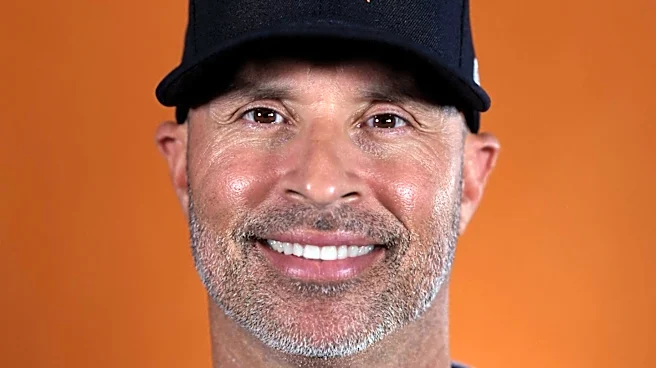
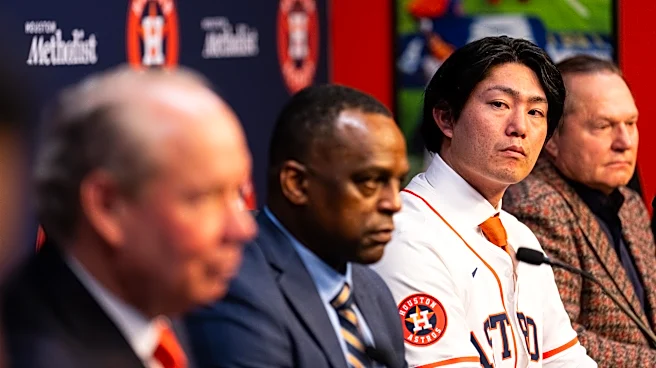
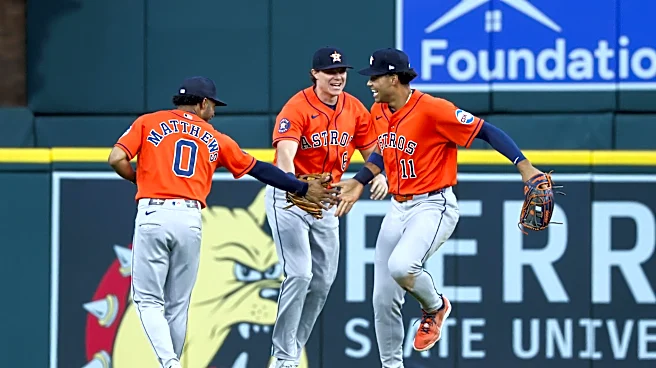
The Houston Astros are navigating a challenging offseason following the firing of General Manager Dana Brown on August 24 and their subsequent elimination from the Wild Card round by the Chicago White Sox. The team recently hired Randy Flores as their new
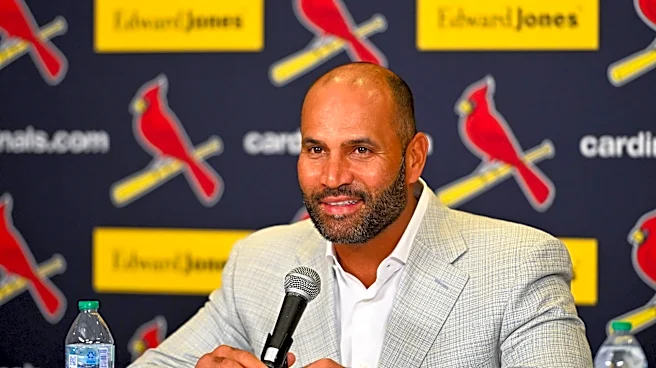
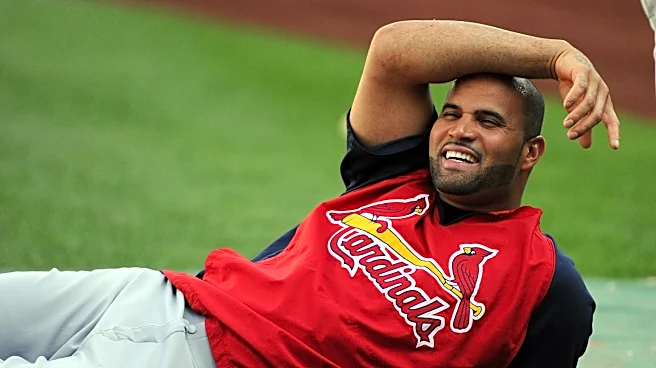
General Manager, but this appointment comes with significant time constraints. The collective bargaining agreement is set to expire on December 1, with a lockout considered highly probable, which would freeze all transactions and communication with 40-man roster players. Flores has less than four weeks to address critical team needs, including hiring a new manager, assembling a coaching staff, and reshaping the roster. Several candidates, such as Brad Ausmus, Morgan Ensberg, and Albert Pujols, have been mentioned for the managerial position. The Astros are one of the few MLB teams still without a manager, highlighting the urgency of their situation.
Why It's Important?
The Astros' delayed hiring of a new General Manager and the impending MLB lockout could severely impact their competitiveness in the upcoming season. With a limited window for transactions, Flores faces immense pressure to make crucial decisions about the team's leadership and player roster. Key players like Jeremy Peña and Isaac Paredes are potential trade candidates, and the team's rotation and bullpen require significant reinforcement. The outfield also needs a complete overhaul after a subpar 2026 season. A lockout would halt all these efforts, potentially leaving the Astros at a disadvantage compared to teams that have already solidified their plans. The ability to act swiftly in the free-agent market before December 1 will be critical, as past lockouts have shown a frenzy of signings in the days leading up to the deadline. This situation could determine whether the Astros can maintain their status as a competitive force in Major League Baseball.
What's Next?
Randy Flores must prioritize the immediate hiring of a new manager and the completion of his coaching staff before the December 1 lockout deadline. Concurrently, he needs to evaluate the current roster to identify potential trade candidates and free-agent targets to address the team's weaknesses in the rotation, bullpen, and outfield. The non-tender deadline is also approaching, adding another layer of urgency to roster decisions. If a lockout occurs as expected, all team activities will cease, potentially delaying the Astros' rebuilding efforts until an agreement is reached between the league and players' association. This could mean a prolonged period of uncertainty for the team and its fans, with significant implications for their performance in the 2027 season. The effectiveness of Flores's initial moves will be heavily scrutinized as the team navigates this compressed and critical offseason period.
Beyond the Headlines
The Astros' current predicament highlights broader issues within professional sports organizations regarding leadership transitions and the impact of collective bargaining dynamics. The delay in hiring a new General Manager, despite the known impending lockout, raises questions about the decision-making processes at the highest levels of the organization. This situation could set a precedent for how teams manage critical personnel changes in the face of labor disputes. Furthermore, the pressure on a new General Manager to make rapid, high-stakes decisions without ample time for internal evaluation could lead to suboptimal outcomes. The potential for a lockout also underscores the ongoing tension between team owners and players, with significant financial and competitive consequences for all involved. This scenario could influence future collective bargaining negotiations and how teams approach offseason planning in anticipation of such events.