
What's Happening?
Amid ongoing uncertainty regarding the Chicago Bears' future stadium location, former Chicago sports columnist Dave Wischnowsky has proposed an intriguing alternative: moving the Bears to the current site
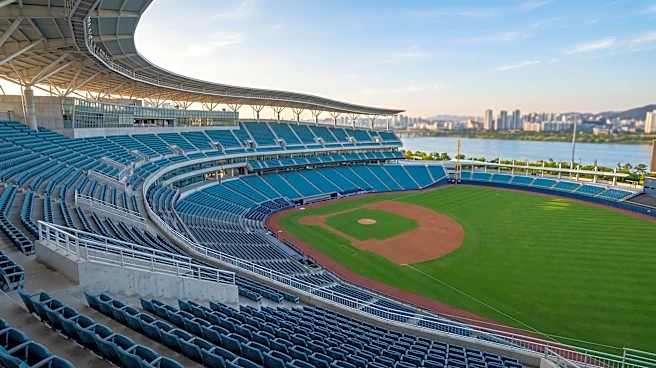
of the Chicago White Sox at 35th and Shields. This suggestion comes as the White Sox are exploring a potential move to the South Loop. Wischnowsky, who first floated a similar idea 14 years ago, believes the timing is now opportune for this once 'pie in the sky' concept. Currently, the Bears are focusing on Arlington Heights and Hammond, Indiana, while Mayor Brandon Johnson continues to advocate for a new domed stadium on the lakefront. Wischnowsky argues that the 35th and Shields location offers significant advantages over the lakefront, particularly in terms of accessibility, being near major expressways and a CTA Red Line stop, and potentially offering more parking and traffic management solutions.
Why It's Important?
The debate over the Chicago Bears' stadium location carries significant economic, urban planning, and civic pride implications for the city of Chicago and its surrounding areas. Keeping a major professional sports team within city limits can provide substantial economic benefits, including job creation, increased tax revenue, and local business support. Mayor Johnson's push for a lakefront stadium underscores the desire to retain the team's presence and the associated prestige. Wischnowsky's proposal introduces a new, potentially viable option that could address some of the logistical challenges associated with the lakefront site, such as transportation and parking. If the White Sox indeed vacate their current stadium, the site at 35th and Shields would become a prime piece of real estate, and its redevelopment for a football stadium could revitalize the Bridgeport neighborhood, offering a different kind of economic boost compared to a suburban move.
What's Next?
The Chicago Bears have consistently stated their focus remains on Arlington Heights and Hammond, Indiana, and have not publicly embraced the 35th and Shields concept. However, if the White Sox proceed with their move, the city of Chicago could have a unique opportunity to re-evaluate the future of the 35th and Shields site. Illinois lawmakers are also considering legislation that could impact stadium development, potentially creating new options for Chicago to compete with suburban proposals. Wischnowsky suggests that the city should at least study the feasibility of a Bears stadium at this location, especially given the team's lease at Soldier Field extends through 2033, allowing time for a well-considered decision. The coming months will likely see continued discussions and negotiations between the Bears, city officials, and state lawmakers regarding the team's long-term home.
Beyond the Headlines
This stadium debate highlights the complex interplay between professional sports, urban development, and political will. The idea of a 'stadium swap' or repurposing existing sports infrastructure speaks to a broader trend in urban planning to maximize the utility of valuable land and maintain economic activity within city cores. The discussion also touches on the emotional connection communities have with their sports teams and the desire to keep them rooted in their historical locations. The potential for a new, enclosed stadium at 35th and Shields, as suggested by Wischnowsky, could also open up opportunities for Chicago to host major events like Super Bowls and Final Fours, further boosting the city's tourism and event economy. This situation underscores the multifaceted considerations—financial, logistical, and emotional—that go into deciding the future home of a major sports franchise.