





What's Happening?
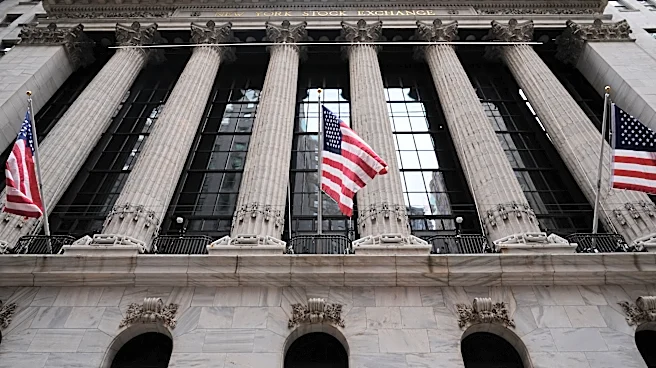
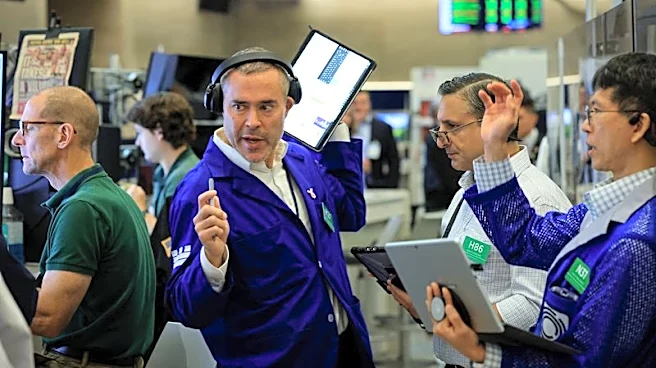
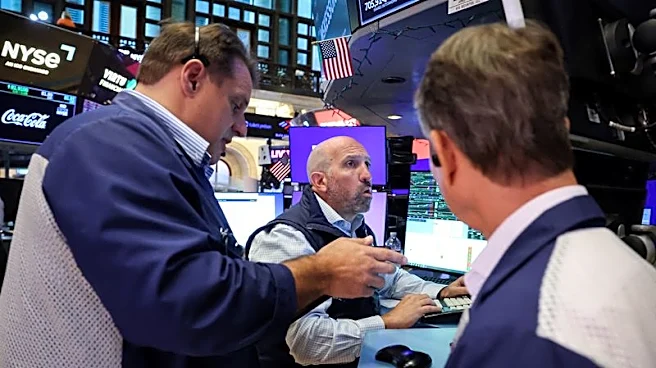
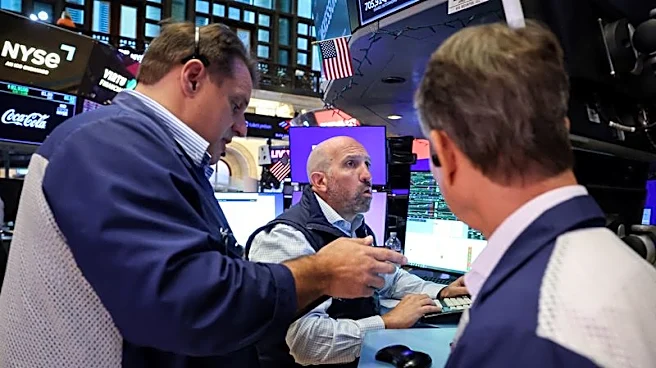
On July 29, 2026, the U.S. stock market experienced significant declines, particularly in the semiconductor and AI-infrastructure sectors. The Philadelphia Stock Exchange Semiconductor Index fell to a 2.5-month low, with major companies like Applied Materials,
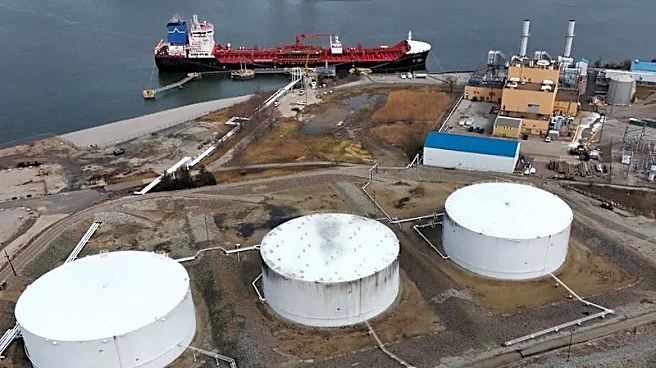
NXP Semiconductors, and ARM Holdings seeing substantial losses. This downturn was exacerbated by geopolitical tensions, as President Trump announced potential military actions against Iran following an attack on a U.S. base in Jordan. The Federal Open Market Committee (FOMC) meeting concluded with interest rates remaining unchanged, though three members dissented, advocating for a rate hike. The market's reaction was further influenced by rising crude oil prices, which surged over 7% due to escalating conflicts in the Middle East.
Why It's Important?
The decline in chipmaker stocks highlights the volatility in sectors heavily reliant on geopolitical stability and technological advancements. The semiconductor industry, crucial for AI development and various tech applications, faces challenges from both market dynamics and international tensions. The FOMC's decision to hold interest rates steady reflects ongoing concerns about inflation and economic stability, impacting investor confidence. Rising oil prices add inflationary pressure, complicating monetary policy decisions. These developments affect a wide range of stakeholders, from tech companies and investors to consumers facing potential price increases in tech products and energy costs.
What's Next?
The market will closely watch upcoming earnings reports from major tech companies like Microsoft and Meta Platforms to assess the impact of AI investments on financial performance. Additionally, geopolitical developments in the Middle East could further influence market stability and energy prices. The FOMC's future meetings will be critical in determining monetary policy direction, especially if inflationary pressures persist. Stakeholders will need to navigate these uncertainties, balancing investment strategies with geopolitical risk assessments.