





What's Happening?
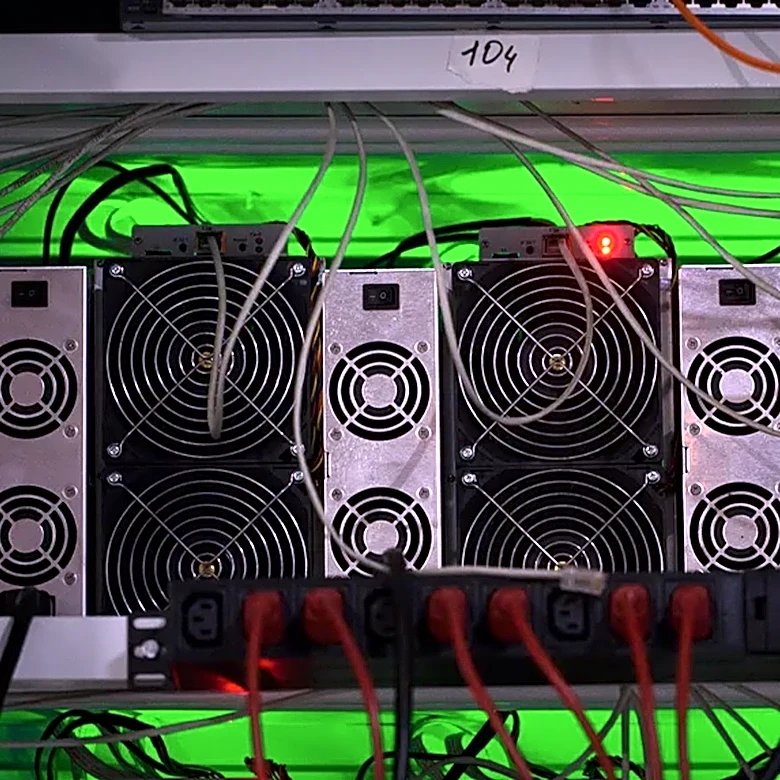
Bitcoin mining operators are facing a wave of hash-rate hijacking attacks, with over 1,000 mining farms affected globally. Mining company Braiins reported 24 such attacks between November 7 and November 20, initially targeting farms in Brazil and Argentina,
and subsequently spreading to Europe after November 20. Hackers are exploiting a security vulnerability in Stratum V1, the protocol used for communication between mining equipment and mining pools. This exploit allows them to redirect mining rewards to their own accounts. The attacks are particularly insidious because mining equipment continues to operate normally and consume electricity, making it difficult for operators to detect the theft immediately. Braiins noted that while the attacks were carried out over short periods, the amount of computing power stolen increased more than tenfold in just two weeks.
Why It's Important?
These hash-rate hijacking attacks pose a significant threat to the profitability and security of Bitcoin mining operations, including those in the U.S. The financial losses incurred by mining farms due to stolen rewards can be substantial, impacting their operational viability and potentially leading to reduced investment in the sector. The exploitation of a known vulnerability in Stratum V1 highlights a critical cybersecurity risk within the cryptocurrency ecosystem, which could undermine trust in mining infrastructure. For U.S. businesses involved in Bitcoin mining, these attacks necessitate immediate action to upgrade security protocols, such as migrating to Stratum V2, to protect their assets and maintain operational integrity. The broader implication is a call for enhanced cybersecurity standards across the entire cryptocurrency industry to safeguard against sophisticated digital theft.
What's Next?
Braiins has strongly recommended that mining operators switch to Stratum V2, which offers stronger security features, to mitigate the risk of future attacks. It is expected that more mining farms will adopt this upgraded protocol to protect their operations. The cryptocurrency community and security experts will likely increase their focus on identifying and patching vulnerabilities in mining protocols. Law enforcement agencies may also become involved in investigating these cybercrimes, especially if U.S.-based mining operations are significantly impacted. Furthermore, the incident could prompt a broader industry-wide push for better cybersecurity practices and standards to prevent similar large-scale attacks in the future, potentially leading to new regulations or best practices for cryptocurrency mining security.
Beyond the Headlines
The ongoing attacks on Bitcoin mining farms underscore the inherent security challenges in decentralized digital economies. While Bitcoin itself is designed to be secure, the infrastructure supporting its mining can be vulnerable to sophisticated cyberattacks. This situation highlights the constant arms race between cybercriminals and cybersecurity professionals in the digital realm. The exploitation of Stratum V1, an older protocol, also points to the critical importance of continuous technological upgrades and vigilance in maintaining digital security. The incident could accelerate the adoption of more secure protocols and foster greater collaboration within the cryptocurrency industry to develop resilient defenses against evolving threats, ultimately shaping the future security landscape of digital assets.