





What's Happening?
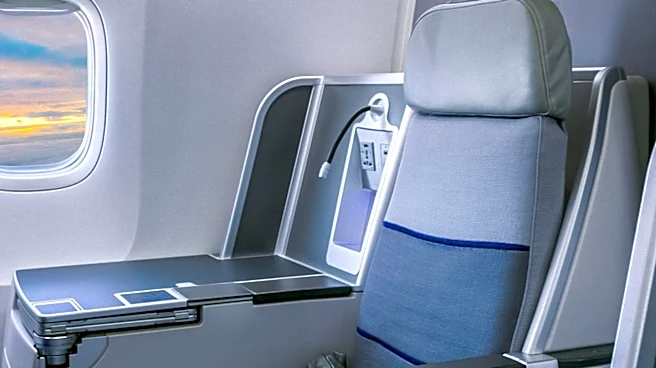
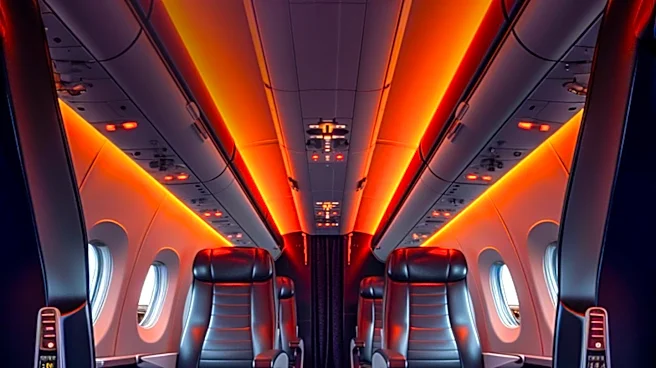
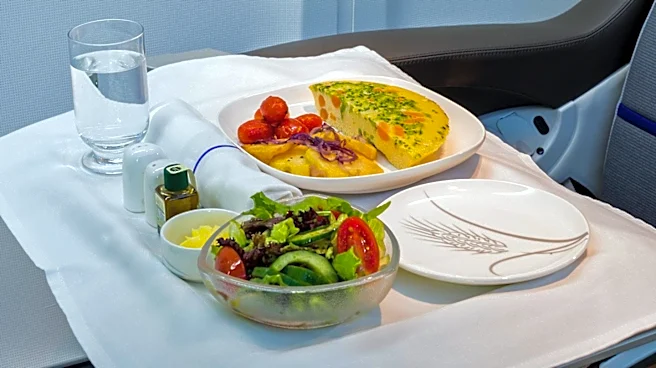
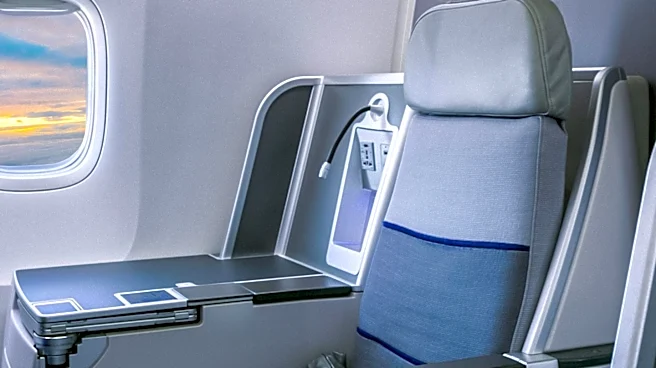
A new trend in the U.S. airline industry is emerging with the introduction of 'basic' business-class fares. These fares aim to make premium travel more accessible by offering the core business-class experience at a lower price, albeit with fewer amenities.
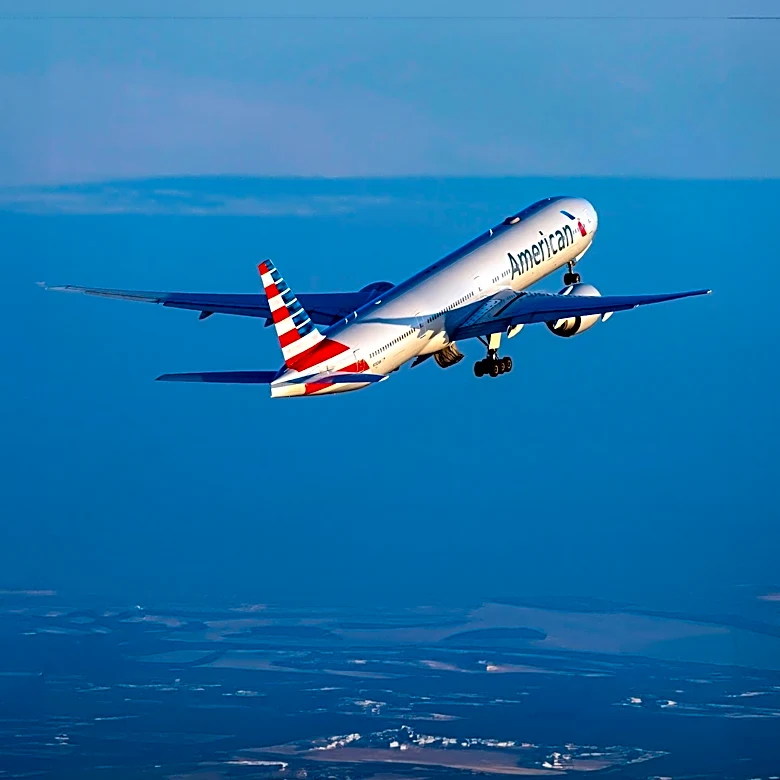
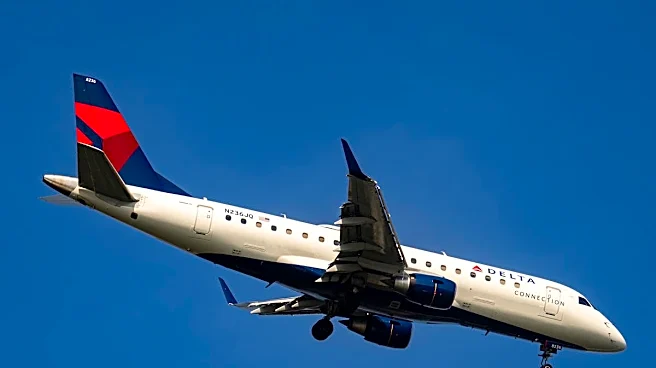
Airlines such as United and Delta have rolled out these unbundled fares, which maintain the essential in-flight experience but exclude perks like lounge access, free seat selection, and priority check-in. This move is part of a broader strategy to provide more choices to travelers who prioritize the in-flight experience over additional services. While the discount on these fares is not substantial, with examples showing only a 7% reduction compared to standard tickets, they are expected to appeal to honeymooners and corporate travelers looking to save on expenses.
Why It's Important?
The introduction of 'basic' business-class fares represents a significant shift in the airline industry's approach to premium travel. By unbundling services, airlines can cater to a wider range of customers, including those who might not typically consider business class due to cost. This strategy could potentially increase revenue by attracting price-sensitive travelers who are willing to forego certain amenities for a lower fare. However, there is a risk that this trend could lead to a gradual erosion of the all-inclusive business-class experience, as airlines may continue to raise prices for fully loaded tickets. The move also reflects a broader industry trend towards customization and flexibility, as airlines seek to differentiate themselves in a competitive market.
What's Next?
As airlines continue to refine their pricing strategies, it is likely that more carriers will adopt similar unbundled fare structures. This could lead to increased competition among airlines to offer the best value for money in the premium travel segment. Additionally, airlines may explore further customization options, allowing travelers to add specific services a la carte. The response from consumers will be crucial in determining the long-term viability of these fares. If successful, this model could reshape the landscape of premium air travel, influencing how airlines structure their offerings and compete for business travelers.