


What's Happening?
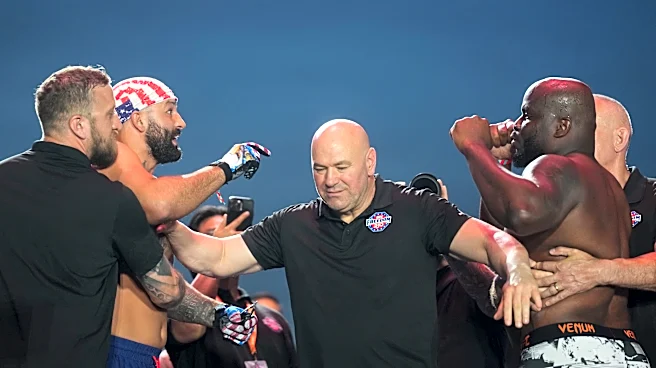
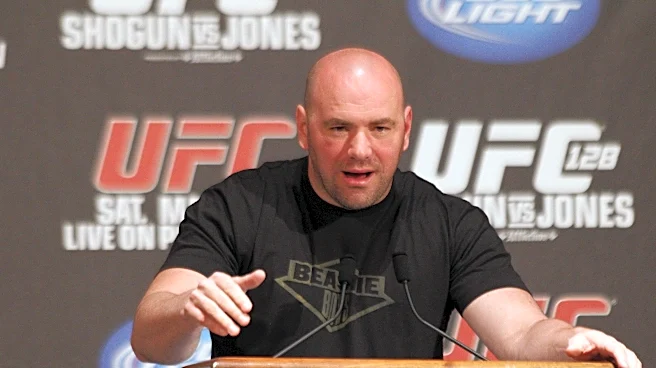
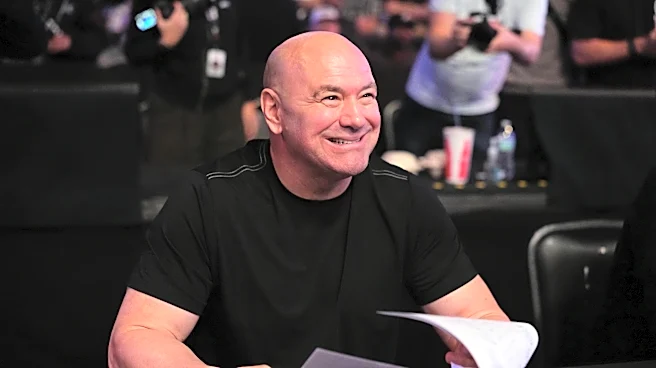
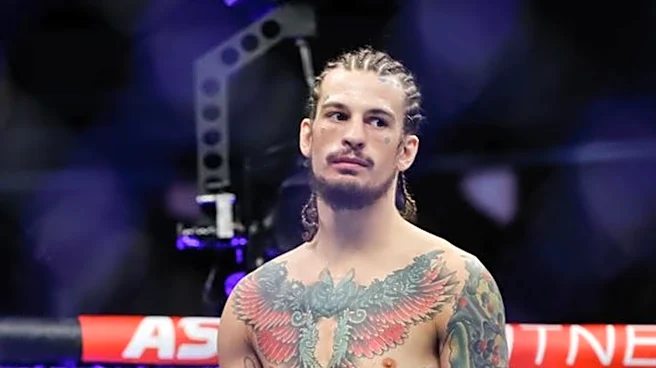
UFC CEO Dana White has publicly admitted to intentionally scheduling difficult opponents for heavyweight contender Josh Hokit. White stated that his decision was influenced by his strong dislike for Hokit's controversial post-fight remarks. Hokit, who
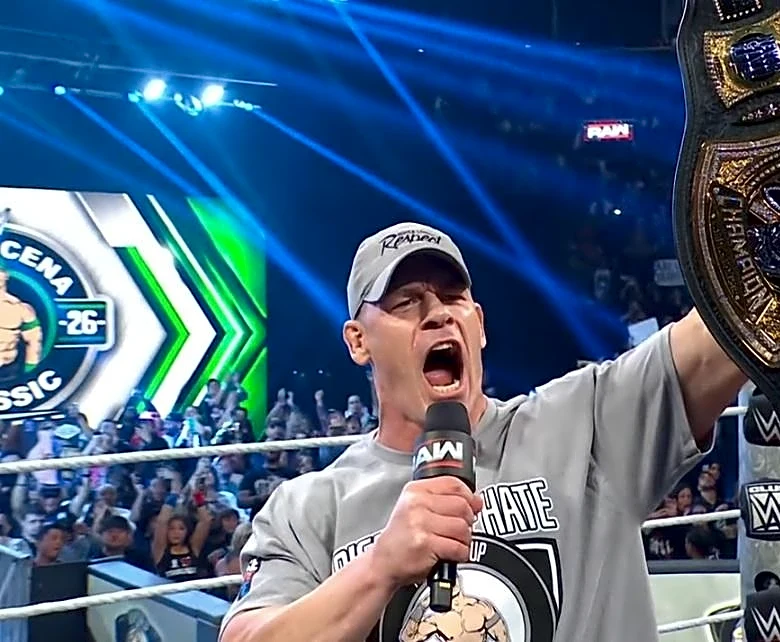
is undefeated and set to challenge Ciryl Gane for the undisputed Heavyweight title at UFC 334, has made several contentious statements during his post-fight interviews. These include a professional wrestling-inspired speech with offensive language and a derogatory comment about WNBA star Brittney Griner, as well as calling former First Lady Michelle Obama a man. White expressed his disapproval of fighters making 'nasty and false things' about people's families. Despite White's attempts to challenge Hokit with tough opponents, Hokit has consistently won, earning 'Fight of the Night' and 'Performance of the Night' bonuses, and ultimately securing a title shot. White acknowledged that Hokit has 'fought his way to the top' and deserves the opportunity, despite his personal feelings.
Why It's Important?
This admission from a prominent sports executive like Dana White highlights potential ethical concerns regarding how fighter matchups are determined within the UFC. While White frames it as a response to behavior he dislikes, it raises questions about fairness and whether personal biases influence professional opportunities in combat sports. For fighters, this could create an environment where expressing controversial opinions might lead to punitive scheduling, potentially impacting their career trajectory and earnings. For the UFC, it could affect its public image, as transparency and impartiality are crucial for maintaining the integrity of competitive sports. Fans might also question the legitimacy of fights if they perceive that personal vendettas, rather than pure merit, are influencing matchmaking. This situation also underscores the ongoing tension between athletes' freedom of speech and the expectations of sports organizations regarding public conduct.
What's Next?
Josh Hokit is scheduled to face undisputed Heavyweight champion Ciryl Gane at UFC 334 in Madison Square Garden. The outcome of this fight will be a significant next step for Hokit's career, regardless of White's past matchmaking decisions. Following White's admission, there may be increased scrutiny on future UFC matchmaking, particularly for fighters who express controversial views. It remains to be seen if White's public statements will lead to any formal review or policy changes within the UFC regarding how personal opinions of fighters influence their career paths. The situation could also spark further debate among fans, media, and fighters about the role of free speech in professional sports and the responsibilities of athletes as public figures.
Beyond the Headlines
The situation with Dana White and Josh Hokit delves into the complex interplay between athletic performance, public persona, and organizational control in professional sports. It raises questions about the extent to which a sports league's leadership can or should influence a competitor's career based on their off-field or non-performance-related conduct. This incident could set a precedent, either implicitly or explicitly, for how the UFC and other sports organizations manage athletes who express views deemed offensive or controversial by leadership. It also touches upon the broader cultural debate surrounding 'cancel culture' and accountability for public statements, even within the highly competitive and often provocative world of combat sports. The long-term implications could include a chilling effect on fighter expression or, conversely, a push for clearer guidelines on what constitutes acceptable public discourse for athletes under contract.