







What's Happening?
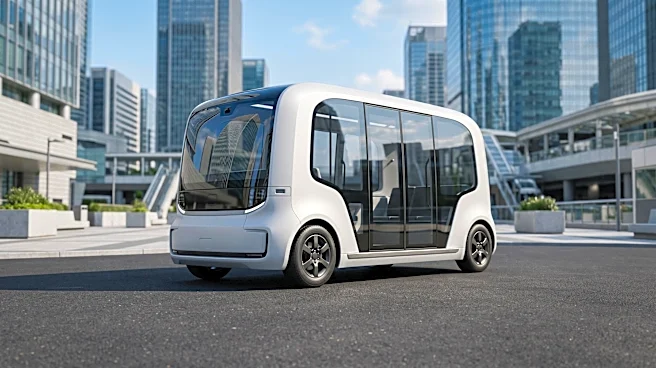
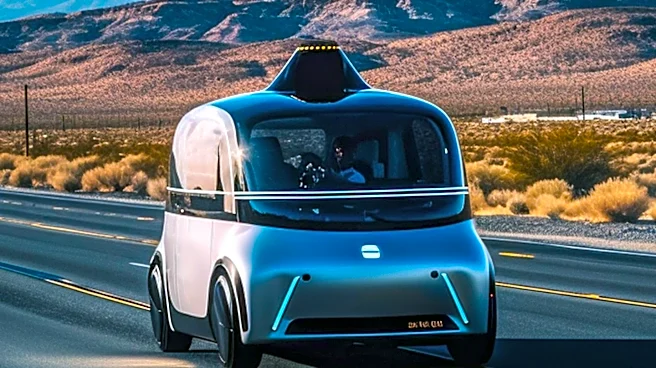
Waymo's robotaxi service at Nashville International Airport is offering significantly lower fares compared to traditional ride-hailing services like Uber and Lyft for trips to downtown Nashville. A field report by Grayson Brulte revealed that a Waymo ride to Ryman
Auditorium costs $25.45, while UberX charges $32.94 and standard Lyft charges $39.96 for the same trip. This price advantage, approximately $10 cheaper than UberX and $14 cheaper than Lyft, comes with a notable caveat: Waymo vehicles are currently unable to use Nashville's highways. This restriction adds 10 to 12 minutes to a typical 35-minute journey. Waymo also benefits from dedicated pickup spots at the airport, providing a structural advantage over other rideshare services by allowing quicker vehicle access and reducing wait times.
Why It's Important?
This development highlights the emerging competitive landscape between autonomous vehicle services and traditional ride-hailing platforms. Waymo's ability to offer lower fares, even with operational limitations like highway restrictions, could disrupt the market by attracting price-sensitive consumers. The dedicated airport pickup spots further enhance Waymo's appeal by offering a more convenient and efficient experience. For Uber and Lyft, this presents a challenge, as they must now compete not only on price but also on the overall customer experience, including wait times and convenience. The trade-off between cost savings and travel time will be a key factor for consumers, and how this balance plays out could significantly influence market share in urban transportation. This also signals a shift in the robotaxi industry from technological demonstrations to practical, competitive service delivery.
What's Next?
The immediate next step for Waymo will be to assess how its price advantage and airport convenience translate into sustained customer adoption in Nashville. The company will likely continue to expand its operational areas and potentially work towards gaining highway access, which would further enhance its competitiveness. For Uber and Lyft, the challenge is to respond to Waymo's aggressive pricing and operational efficiencies. This could involve adjusting their own pricing strategies, improving airport logistics, or highlighting the benefits of human-driven vehicles, such as highway access and flexibility. The Nashville market will serve as a crucial test bed for the viability of robotaxi services in direct competition with established ride-hailing platforms, potentially influencing deployment strategies in other U.S. cities. The ongoing competition will likely drive innovation and cost efficiencies across the entire ride-hailing sector.
Beyond the Headlines
The entry of Waymo into markets like Nashville with competitive pricing and operational advantages signals a broader transformation in urban mobility. The long-term implications extend beyond mere price wars, touching upon infrastructure planning, regulatory frameworks for autonomous vehicles, and the future of human employment in the transportation sector. As robotaxi technology matures, the debate around safety, accessibility, and the ethical considerations of autonomous systems will intensify. The current highway restriction for Waymo in Nashville underscores the regulatory hurdles and public acceptance challenges that autonomous vehicles still face. The success or failure of Waymo's strategy in Nashville could provide valuable insights into consumer preferences for autonomous services and guide future investments and policy decisions in the autonomous vehicle industry nationwide.