


What's Happening?
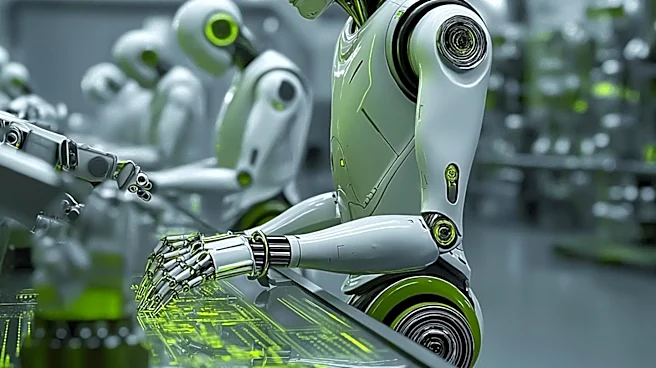
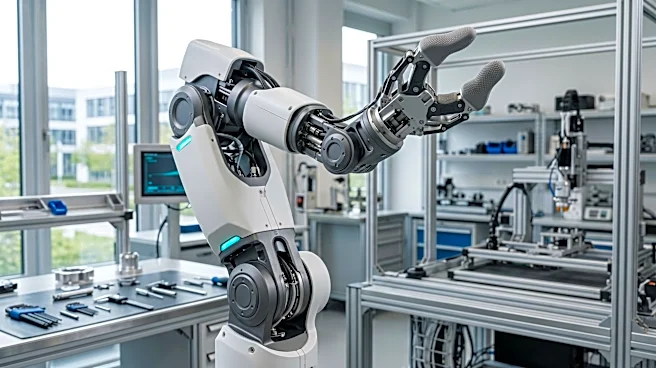
Significant strides are being made in the development of robotic hands and embodied AI, with engineers striving to replicate the complex dexterity of human hands. While no current hardware or software fully rivals a human hand, companies like Shadow Robot
are creating advanced prototypes. These robots can perform intricate tasks such as stacking cups, sorting shapes, and even delicately handling grapes without crushing them. The cost of these robotic hands is decreasing, with some Chinese manufacturers offering models for less than £2,000. This progress is fueled by substantial investments, including over £100 billion from the Chinese government in robotics and high-tech industries over the next two decades. Tesla has also shifted production focus to its Optimus humanoid robots, emphasizing the need to 'solve the hands problem' for generalized humanoid functionality. Experts suggest that while human workers are currently necessary for tasks requiring fine motor skills and adaptability, the rapid evolution of robotic dexterity could soon automate many manual labor jobs.
Why It's Important?
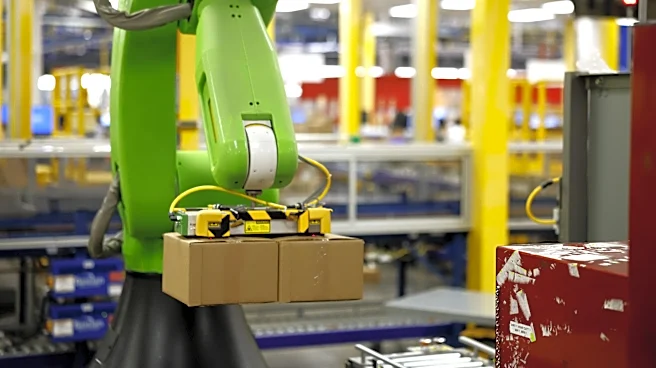
The rapid advancement in robotic dexterity has profound implications for the future of human labor and the global economy. As robots become more capable of performing tasks that traditionally required human hands, a wide range of jobs, from warehouse operations to skilled trades, could face automation. This shift could lead to significant job displacement, particularly in sectors reliant on manual labor. Companies like Amazon, which currently employ millions, could potentially replace human workers with more efficient and tireless robots. While some argue that jobs requiring adaptability, like plumbing, might be safe for a decade or two, the long-term outlook suggests that even these roles could eventually be automated. This technological progression could reshape workforce demands, necessitating widespread retraining and a reevaluation of economic structures to support a potentially large displaced workforce. The economic benefits for companies adopting these technologies could be substantial, leading to increased efficiency and reduced labor costs, but at the societal cost of widespread unemployment.
What's Next?
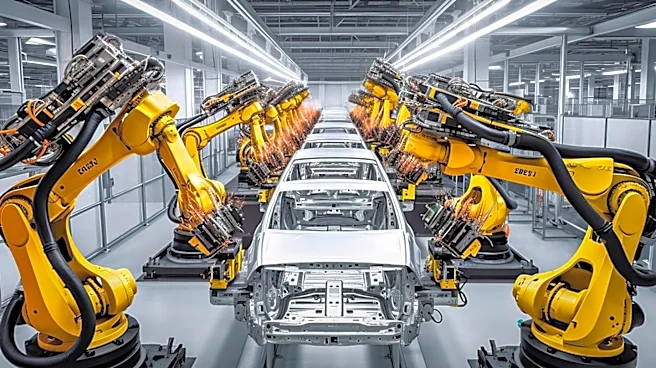
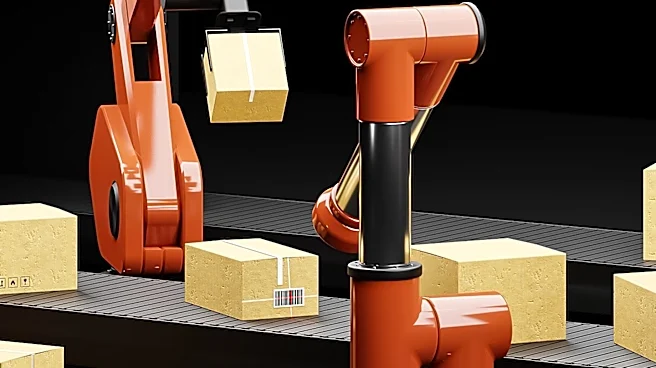
The immediate future will likely see continued investment and accelerated development in robotic dexterity. Companies will focus on refining robot hands to handle a wider variety of objects and tasks with greater precision and adaptability. The decreasing cost of these technologies, particularly from manufacturers in China, suggests a broader adoption across various industries. Experts predict that general tool use by robots could become common by the end of this decade. This will likely lead to increased automation in areas like manufacturing and logistics, with companies like Amazon potentially automating the remaining human-dependent tasks in their fulfillment centers. The long-term trajectory points towards robots potentially building and improving other robots, creating a self-iterating cycle of technological advancement that could further accelerate their capabilities and reduce costs. This could eventually lead to a point where even the jobs of robotics engineers themselves are automated.
Beyond the Headlines
The quest to replicate human hands in robotics raises fundamental questions about the nature of work, human value, and societal structure. If robots can perform nearly any manual task, the traditional concept of employment could become obsolete for a significant portion of the population. This development could force societies to confront issues such as universal basic income, the purpose of education, and how to define human contribution in a post-labor economy. There are also ethical considerations regarding the deployment of robots in roles that involve human interaction or sensitive tasks. The potential for 'dark factories' that operate without human presence highlights a future where efficiency is maximized, but human engagement in production is minimized. The debate over whether these advancements lead to the 'doom of humanity' or a new era of human flourishing will intensify as robotic capabilities continue to expand, challenging our understanding of what it means to be human in an increasingly automated world.