





What's Happening?
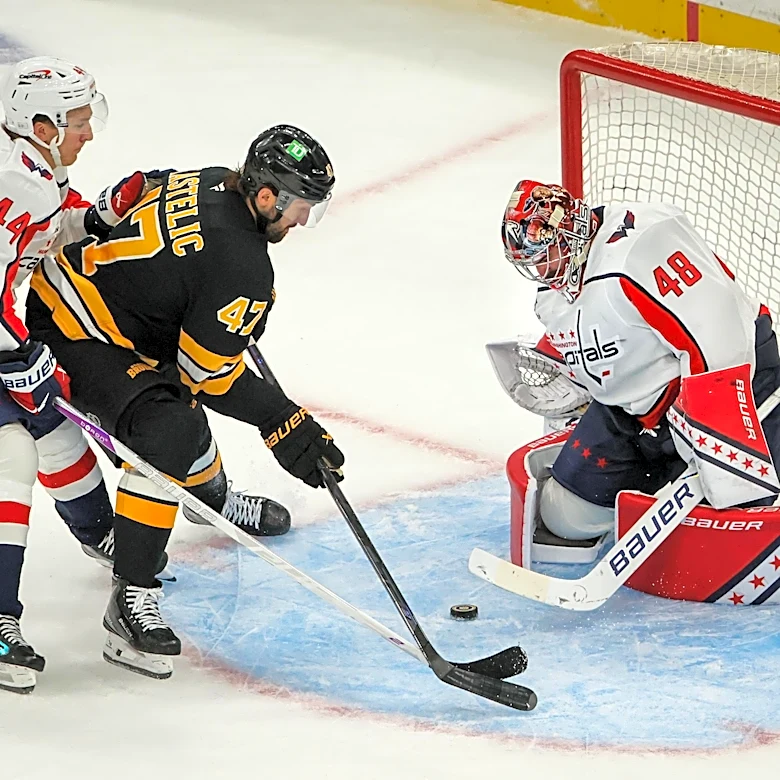
Ted Leonsis, owner of the Washington Capitals and president of Monumental Sports & Entertainment, has been unanimously elected as the new chairman of the NHL's Board of Governors. He takes over from Jeremy Jacobs, who stepped down after 19 years in the role.
Leonsis's appointment marks a significant leadership transition within the league. Murray Edwards, representing the Calgary Flames, has been named the new vice-chairman. Leonsis plans to focus on strategy, long-term vision, and new media, while Edwards will contribute expertise in operations and finance. This change comes as the NHL projects record revenues, with Commissioner Gary Bettman anticipating approximately $8.1 billion in revenue for the 2026-27 season. The league also provided a preliminary forecast for the 2028-29 salary cap, suggesting a potential increase to $127.5 million, which would be the largest single-year jump since the cap's introduction in 2005.
Why It's Important?
The appointment of Ted Leonsis as chairman signals a new era of leadership for the NHL, with a stated focus on strategic growth, media innovation, and fan engagement. This shift is particularly important as the league continues to expand its commercial footprint and explore new markets. The projected increase in the salary cap to $127.5 million for the 2028-29 season has significant implications for team finances and player contracts. A higher cap provides teams with greater financial flexibility to retain star players, attract new talent, and build competitive rosters, potentially leading to more lucrative contracts for athletes. This financial growth is directly tied to the league's rising revenues, which are expected to reach record levels. The increased revenue and salary cap reflect the NHL's robust economic health and its ability to generate substantial income, benefiting both team owners and players through the Hockey Related Revenue system.
What's Next?
The NHL Board of Governors will continue to monitor and potentially finalize the projected salary cap increase for the 2028-29 season, which could lead to further record-breaking player contracts. The league is also actively exploring potential expansion into new markets, with ongoing analyses in Texas (Houston and Austin) and expressions of interest from groups in Atlanta and Arizona. A formal update on these expansion considerations is expected in December. Any decision on expansion would require the approval of at least three-quarters of the governors, indicating a thorough and deliberate process. Additionally, the league will continue to evolve its local media strategy, with national rights expiring after the next season, potentially leading to new broadcast agreements that could combine national and local rights. The new leadership under Leonsis and Edwards will guide these strategic decisions, aiming to further enhance the league's growth and reach.
Beyond the Headlines
The leadership change and projected financial growth in the NHL highlight broader trends in professional sports, where strategic vision and media adaptation are crucial for sustained success. Leonsis's emphasis on new media and long-term strategy reflects the evolving landscape of sports consumption and the importance of digital platforms in reaching fans. The significant increase in the salary cap, driven by record revenues, underscores the economic power of major sports leagues and their ability to generate substantial wealth. This financial buoyancy also raises questions about the balance between player compensation and team profitability, and how these dynamics will shape the league's competitive balance. Furthermore, the ongoing exploration of expansion markets, particularly in regions like Texas and the Southeast, indicates a strategic effort to broaden the NHL's geographic footprint and tap into new fan bases, potentially altering the league's cultural and demographic reach in the long term.