


What's Happening?
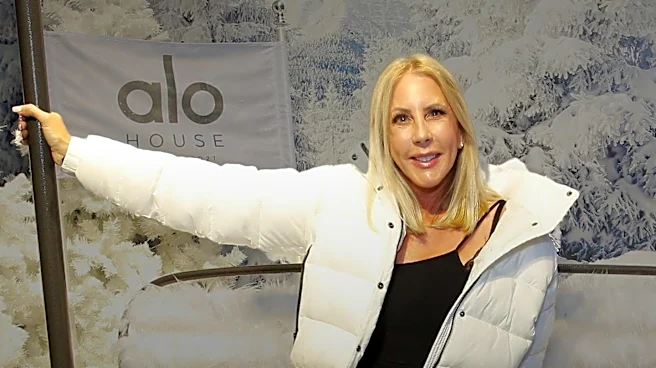
Alo Yoga, initially recognized for its premium activewear, has evolved into a significant lifestyle brand, particularly influencing Gen Z. The brand's success stems from its ability to merge comfort with style, offering versatile clothing items like oversized
quarter-zips and matching sets. These pieces are designed to transition seamlessly across various daily activities, from morning workouts to casual meetings, travel, and social outings. This shift reflects a broader cultural change where consumers, especially Gen Z, prioritize clothing that is both refined and comfortable, blurring the traditional lines between performance wear and luxury fashion. The brand's approach caters to a modern lifestyle that values flexibility and effortless style over rigid dress codes and formal attire, making comfort a key component of sophistication.
Why It's Important?
The transformation of Alo Yoga into a lifestyle brand signifies a notable shift in consumer preferences within the U.S. fashion industry. This trend indicates that comfort is increasingly becoming a defining characteristic of luxury and sophistication, challenging traditional notions of fashion that often prioritized aesthetics over wearability. For businesses, this highlights the importance of understanding and adapting to evolving consumer values, particularly among younger demographics like Gen Z, who seek versatility and authenticity in their wardrobes. Companies that can successfully integrate comfort, style, and functionality into their products are likely to gain a competitive edge. This also impacts the retail sector, as stores and online platforms will need to adjust their offerings to meet the demand for multi-functional apparel that supports diverse lifestyles, potentially leading to a re-evaluation of product categories and marketing strategies.
What's Next?
The continued success of brands like Alo Yoga suggests that the trend of blending activewear with everyday fashion will likely persist and expand. Other fashion brands may increasingly adopt similar strategies, focusing on creating versatile pieces that cater to a consumer base valuing comfort and effortless style. This could lead to more collaborations between traditional fashion houses and activewear brands, or a greater emphasis on 'athleisure' wear across the industry. Retailers might also see a further decline in demand for highly structured or formal attire, necessitating a pivot towards more casual and adaptable clothing lines. Furthermore, the influence of Gen Z on fashion trends will likely continue to grow, pushing brands to innovate in areas of sustainability, ethical production, and inclusive sizing, alongside comfort and style, to maintain relevance and appeal.
Beyond the Headlines
This shift in fashion, exemplified by Alo Yoga, reflects deeper societal changes regarding how individuals perceive and express confidence and professionalism. The diminishing distinction between 'work clothes' and 'weekend clothes' suggests a more integrated approach to personal identity, where authenticity and comfort are paramount. This could have long-term implications for workplace dress codes, potentially leading to more relaxed and flexible environments. Culturally, it signifies a move away from outward displays of effort and formality towards an appreciation for understated elegance and practicality. The emphasis on clothing that supports one's lifestyle rather than dictating it also points to a broader desire for simplicity and efficiency in daily routines, where a well-designed wardrobe contributes to overall well-being and ease. This trend challenges the traditional fashion cycle, promoting timeless versatility over fleeting trends.