






What's Happening?
A growing trend in financial fraud involves 'refund' or 'recovery' scams, which specifically target individuals who have already lost money to previous scams. These fraudsters exploit the victims' desire to recoup their losses by contacting them unexpectedly
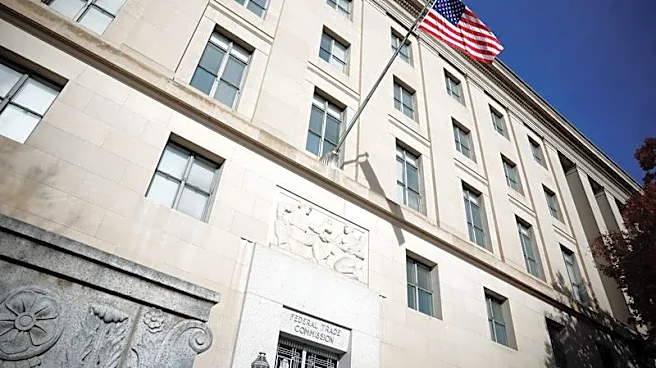
and claiming to be from government agencies, law firms, or consumer advocacy organizations. They promise to help recover lost funds, prizes, or merchandise. However, to 'assist,' they demand an upfront payment, often disguised as a processing fee, administrative charge, or retainer. They may also request sensitive personal or financial information, asserting it is necessary to complete the recovery process. Once the payment or information is received, the scammers disappear, leaving the victim with further financial loss and emotional distress. The Federal Trade Commission (FTC) has noted that these scammers frequently impersonate trusted entities to build credibility.
Why It's Important?
The emergence of refund and recovery scams represents a particularly insidious form of financial exploitation, as it preys on the most vulnerable—those who have already suffered the trauma and financial impact of a prior scam. This type of fraud exacerbates the financial and emotional burden on victims, potentially leading to deeper debt and a profound erosion of trust in legitimate institutions. The ability of these scammers to impersonate trusted organizations makes them difficult to detect, further complicating efforts to protect consumers. The financial losses from these scams contribute to the broader problem of fraud, impacting the stability of individuals' finances and potentially increasing the overall cost of fraud prevention for financial institutions. Understanding these tactics is crucial for both individuals and financial institutions to prevent re-victimization and protect against further economic harm.
What's Next?
To protect against refund and recovery scams, individuals are advised to be highly skeptical of anyone who contacts them unexpectedly offering to recover lost funds, especially if an upfront fee is requested. Key protective steps include never sending money or providing personal/financial information to such callers, independently verifying the identity of any organization claiming to offer recovery services, and researching them for consumer complaints. If a scam is suspected, individuals should contact their financial institution immediately and report the incident to appropriate authorities. Financial institutions and consumer protection agencies will likely continue to raise awareness about these specific scam tactics, emphasizing that legitimate organizations do not require upfront payments for recovery services. The focus will be on empowering victims with knowledge to avoid falling prey a second time and encouraging prompt reporting of suspicious activities.
Beyond the Headlines
The phenomenon of refund and recovery scams highlights a deeper psychological vulnerability: the human tendency to seek resolution and hope, even after experiencing significant loss. Scammers expertly manipulate this desire, turning a victim's hope into a tool for further exploitation. This type of fraud also underscores the importance of public education on the mechanisms of scams, moving beyond just identifying specific types of fraud to understanding the underlying psychological tactics. Ethically, these scams represent a profound betrayal of trust, targeting individuals at their most vulnerable. Culturally, the prevalence of such scams can contribute to a general sense of distrust in unsolicited communications and online interactions, potentially leading to social isolation for those who become overly cautious. Addressing this requires not only robust fraud prevention but also support systems for victims that help restore their sense of security and trust, preventing them from becoming targets for subsequent exploitation.