


What's Happening?
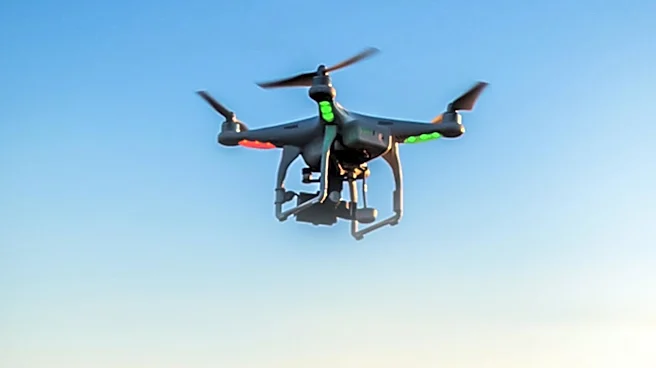
The Federal Bureau of Investigation (FBI) has expressed significant concerns over the use of drones during major events, such as the upcoming 2028 Los Angeles Olympics. Following the successful security operations during the FIFA World Cup, where over 6.8
million visitors attended without major incidents, the FBI emphasized its 'zero tolerance policy' for unauthorized drone activity. During the World Cup, the FBI intercepted and seized approximately 700 drones, including 59 in the Los Angeles area. The agency remains vigilant about the potential use of drones for lone-wolf attacks, which poses a significant security threat. The FBI is actively preparing for the 2027 Super Bowl and the 2028 Olympics, leveraging lessons learned from the World Cup to enhance security measures.
Why It's Important?
The use of drones in unauthorized areas poses a significant security risk, especially during large-scale international events like the Olympics. The FBI's proactive measures to intercept drones highlight the importance of maintaining airspace security to prevent potential threats. The agency's efforts to ensure safety during these events are crucial for protecting attendees and maintaining public confidence in the security of such gatherings. The successful management of drone threats during the World Cup sets a precedent for future events, emphasizing the need for robust security protocols and international cooperation.
What's Next?
As preparations for the 2028 LA Olympics continue, the FBI will likely enhance its collaboration with federal, state, and international partners to ensure comprehensive security measures are in place. The agency's focus on drone threats will be a key component of its overall security strategy. Additionally, the FBI's ongoing efforts to combat human trafficking, as demonstrated during the World Cup, will continue to be a priority. The agency's experience and lessons learned from previous events will inform its approach to securing the Olympics and other major events in the coming years.