





What's Happening?
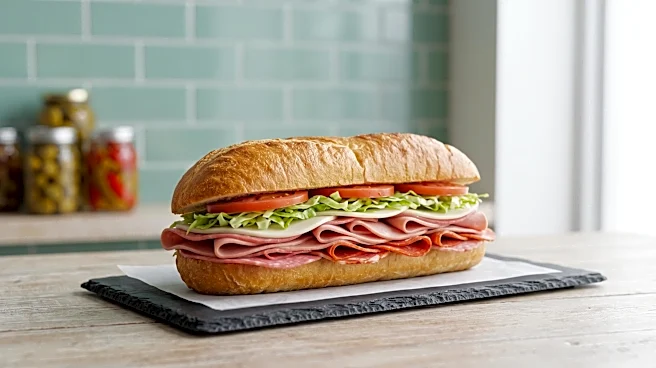
Damon Brasch, owner of Green New American, a vegan restaurant operating for two decades, has launched Mother Board Analog Deli Meats. This new venture specializes in vegan versions of classic Italian subs, aiming to replicate the taste and texture of traditional
deli meats without using animal products. Brasch, who has fond memories of homemade salami from his Italian heritage, developed the plant-based meats through extensive research and development. A key innovation involves incorporating cashew milk into vital wheat gluten (seitan) to achieve a more authentic flavor and a texture that properly yields to the bite of a sandwich. The menu includes items like the 'Jersey Boss' with vegan capicola ham and turkey, and the 'Uncle Alan' featuring vegan salami, mortadella, and capicola, all served with plant-based cheese and traditional Italian sub fixings. Brasch emphasizes that the primary goal is to create delicious food that appeals to everyone, regardless of their dietary preferences, moving away from the perception of vegan food as solely 'hippie and crunchy.'
Why It's Important?
The emergence of Mother Board Analog Deli Meats signifies a growing trend in the U.S. food industry towards sophisticated plant-based alternatives that prioritize culinary experience over mere dietary compliance. This development is important because it addresses a significant barrier to wider plant-based adoption: consumer skepticism regarding taste and texture fidelity. By successfully mimicking classic Italian deli meats, Mother Board Analog Deli Meats could attract a broader demographic, including meat-eaters, who are curious about or looking to reduce their meat consumption without sacrificing flavor or nostalgia. This innovation could push other plant-based food manufacturers to invest more in R&D for improved product quality, potentially accelerating the mainstream acceptance of vegan options in traditionally meat-centric categories like deli meats. The success of such ventures could also have broader implications for public health, animal welfare, and environmental sustainability by offering appealing alternatives to conventional meat products.
What's Next?
Mother Board Analog Deli Meats will likely continue to refine its plant-based meat recipes and expand its product offerings, potentially exploring new types of vegan deli meats and sandwiches. The success of this model could inspire other entrepreneurs and established food companies to invest in similar high-quality, taste-focused plant-based alternatives, particularly in niche markets that have been challenging for vegan products to penetrate. As consumer demand for plant-based options grows, driven by health, environmental, and ethical considerations, businesses that can deliver on taste and texture are well-positioned for growth. This could lead to increased competition and innovation in the plant-based food sector, making vegan options more accessible and appealing to a wider audience across the U.S. The company may also consider expanding its distribution beyond its current location, potentially through wholesale to other eateries or direct-to-consumer sales.
Beyond the Headlines
This development reflects a deeper cultural shift in how Americans perceive and consume food. The focus on replicating the nostalgic experience of traditional Italian subs, rather than simply offering a 'healthy' or 'ethical' alternative, highlights a growing understanding that plant-based foods need to compete on sensory attributes to achieve widespread acceptance. This approach challenges the long-held notion that vegan food is inherently restrictive or less satisfying. Furthermore, the innovation in using ingredients like cashew milk to enhance texture and flavor in seitan demonstrates a maturing plant-based food science, moving beyond basic meat substitutes to more sophisticated culinary creations. This could lead to a re-evaluation of traditional culinary techniques and ingredients, fostering a more inclusive and diverse food landscape where plant-based options are celebrated for their own merits, not just as substitutes. The success of such businesses also underscores the power of culinary creativity in driving social and environmental change.