


What's Happening?
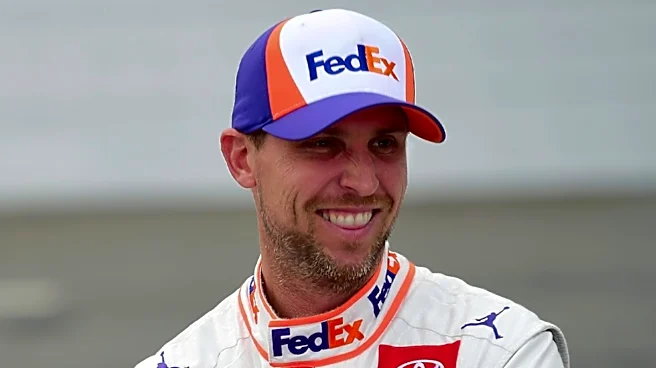
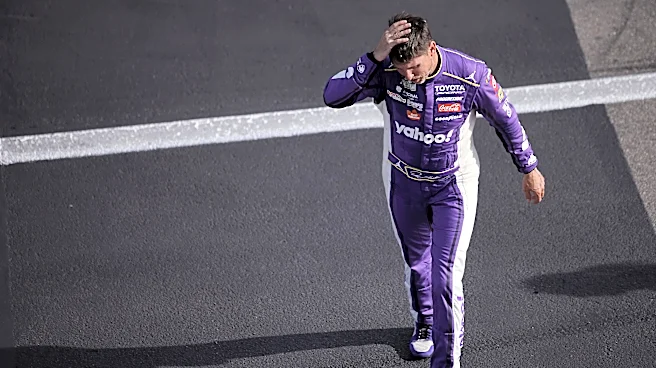
NASCAR driver Denny Hamlin is re-evaluating his previously stated retirement plans, indicating that 2027 may not definitively be his final year of racing. Hamlin, currently 46 years old, had initially planned to conclude his career with Joe Gibbs Racing
after the 2027 season. This reconsideration comes as Hamlin continues to be a prominent and successful competitor in the sport, having secured 16 wins over the past four Cup seasons. The question of retirement is a common one for veteran motorsports stars, who often continue racing longer than athletes in other sports. Hamlin's ongoing pursuit of a Cup championship, a goal that eluded him again this year with a third-place finish, remains a central narrative around his career. His decision reflects the complex factors drivers weigh, including financial incentives and the inherent enjoyment of racing.
Why It's Important?
Denny Hamlin's potential extension of his racing career beyond 2027 holds significant implications for NASCAR. As one of the sport's most recognizable and successful figures, his continued presence ensures a level of star power and competitive intensity that benefits viewership and sponsorship. For Joe Gibbs Racing, retaining a driver of Hamlin's caliber would maintain a strong competitive edge and provide stability within their team structure. His decision also influences the broader driver market, as a prolonged career could delay opportunities for younger drivers seeking top-tier rides. Furthermore, Hamlin's articulate and often outspoken personality makes him a valuable media presence, contributing to NASCAR's public discourse and fan engagement. His continued pursuit of a Cup championship adds a compelling storyline that resonates with fans and media alike, underscoring the enduring appeal of veteran athletes in the sport.
What's Next?
While Denny Hamlin has indicated that 2027 will 'most likely' be his final year, he has left the door open for further racing, suggesting that a definitive decision is not yet made. The coming seasons will likely see continued speculation and discussion regarding his future, particularly as he approaches the 2027 season. His performance in upcoming races and his progress toward securing a Cup championship could heavily influence his final decision. Joe Gibbs Racing will likely monitor the situation closely, as they would need to plan for a potential successor if Hamlin does retire. Fans and media will be watching for any further statements or contract negotiations that might clarify his long-term plans. The situation mirrors that of fellow driver Justin Allgaier, who also reconsidered retirement and signed a new multiyear deal, indicating a trend among successful veteran drivers to extend their careers.
Beyond the Headlines
The ongoing deliberation by veteran drivers like Denny Hamlin regarding retirement highlights a unique aspect of motorsports culture compared to other professional sports. The physical demands, while significant, often allow for longer careers, and the experience gained over years can be a substantial asset. This longevity can create a dynamic where established stars continue to compete at a high level well into their 40s, potentially impacting the career trajectories of younger talent. Ethically, it raises questions about when a driver's continued presence might hinder the progression of the next generation, though ultimately, performance dictates opportunity. Culturally, these veteran drivers often become elder statesmen, offering valuable insights and maintaining a connection to the sport's history, which can be both a benefit and a challenge for NASCAR as it seeks to attract new fans while honoring its past.