





What's Happening?
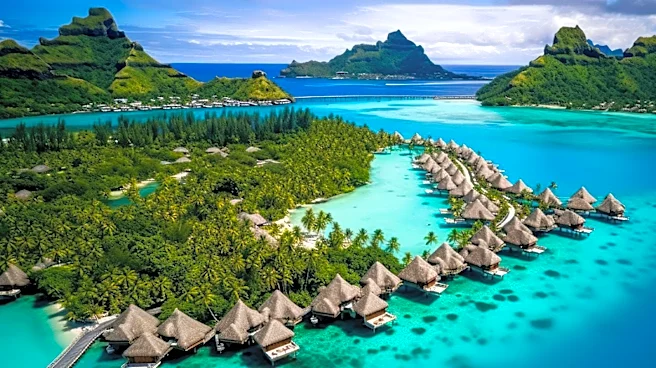
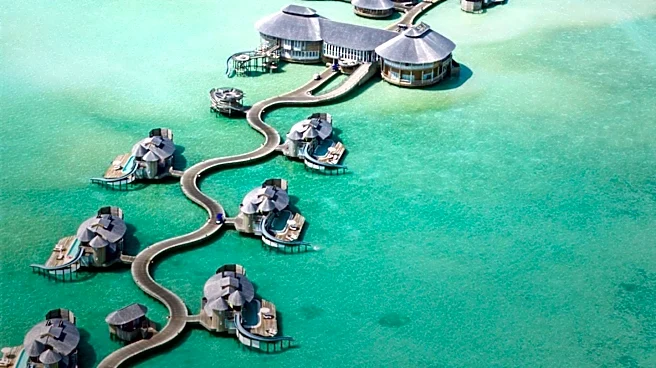
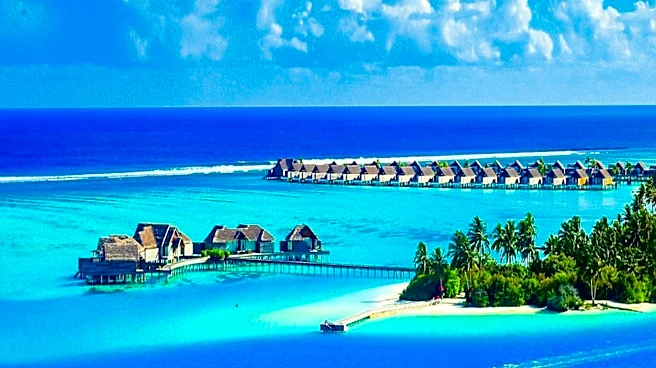
Travelers are increasingly finding that luxury experiences do not always equate to high costs, with several global destinations offering premium accommodations and services at significantly lower prices. Vietnam, for instance, provides five-star beachfront
resorts for under $150 per night, while the average price for top luxury hotels across the country is around $72. Similarly, Colombia offers a range of experiences for a mid-range budget of $50 to $60 a day, making it one of South America's most affordable destinations. Marrakech, Morocco, is another prime example, where five-star riad stays and high-end desert excursions are available at a fraction of European prices, with traditional hammam and massage experiences costing between $50 and $78. These destinations leverage favorable exchange rates, increased competition among boutique properties, and local hospitality economics to provide exceptional value. Bali, Indonesia, continues to be a top choice for budget luxury, with an average daily cost of $25 to $50, including inexpensive food and spa treatments. Even high-end properties in Bali, like the Ritz-Carlton, are considerably more affordable than their counterparts in other global cities. The Algarve region in Portugal offers five-star amenities in coastal settings at prices significantly lower than the French Riviera, especially during shoulder seasons, with properties available for $115 to $160 per night.
Why It's Important?
This trend is important for the U.S. travel industry and consumers as it redefines perceptions of luxury travel, making high-end experiences more accessible to a broader demographic. For U.S. travelers, it means that aspirational trips to exotic locations with premium amenities are no longer exclusive to the ultra-wealthy, potentially increasing demand for international travel. This shift could influence U.S. travel agencies and tour operators to diversify their offerings, focusing on curated budget-luxury packages to these emerging destinations. Economically, it encourages a redistribution of tourism dollars globally, benefiting local economies in countries like Vietnam, Colombia, and Morocco, which might not traditionally be seen as luxury travel hubs. The increased competition among destinations to offer value could also pressure more established, expensive destinations to re-evaluate their pricing strategies. Furthermore, this trend highlights the impact of global economic factors, such as exchange rates, on consumer spending habits and the overall travel market, demonstrating how a strong U.S. dollar can enhance purchasing power abroad and enable more lavish experiences for less.
What's Next?
The continued growth of budget-luxury travel is likely to lead to several developments. Travel companies and online platforms are expected to further highlight and promote these value-driven destinations, potentially creating more specialized travel packages. As more U.S. travelers discover these opportunities, there could be an increase in direct flights and improved travel infrastructure to these regions. Local tourism boards in these countries will likely invest more in marketing and developing their luxury offerings to attract this growing segment of travelers. We may also see a rise in content creation and travel guides focusing on maximizing luxury experiences on a budget, further democratizing high-end travel. Additionally, the success of these destinations could inspire other countries to adapt similar strategies, fostering a more competitive global tourism market where value and quality are key differentiators. This could also lead to a greater emphasis on sustainable tourism practices in these locations as they manage increased visitor numbers while preserving their natural and cultural assets.
Beyond the Headlines
Beyond the immediate economic and travel implications, this trend reflects a broader cultural shift in how consumers define and pursue luxury. It challenges the traditional notion that luxury is solely about exorbitant prices, instead emphasizing value, unique experiences, and authentic cultural immersion. This redefinition could lead to a more conscious and discerning traveler, prioritizing genuine quality and local engagement over brand prestige. Ethically, it raises questions about the sustainability of rapid tourism growth in previously less-visited areas and the potential impact on local communities and environments. There's a delicate balance between economic development through tourism and preserving the cultural integrity and natural beauty that attract travelers in the first place. The long-term success of these budget-luxury destinations will depend on their ability to manage this growth responsibly, ensuring that the benefits are shared equitably and that the unique charm that makes them attractive is not eroded by over-commercialization. This trend also underscores the power of information and accessibility in shaping consumer choices, as travelers increasingly rely on online resources and peer recommendations to uncover hidden gems and maximize their travel budgets.