




What's Happening?
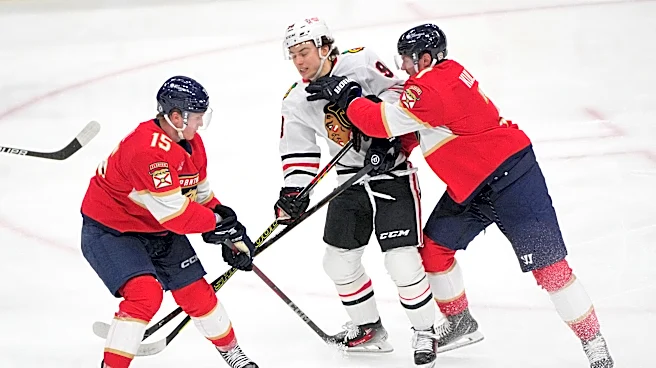
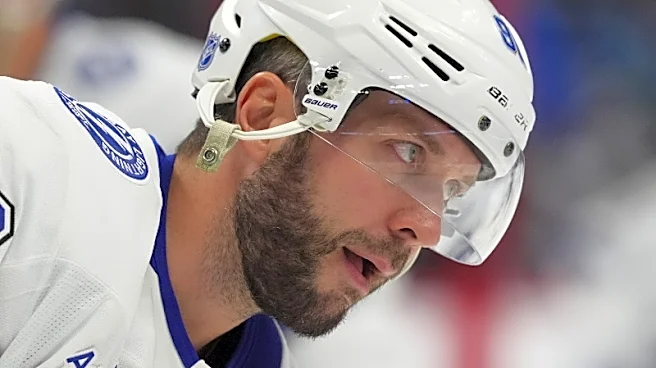
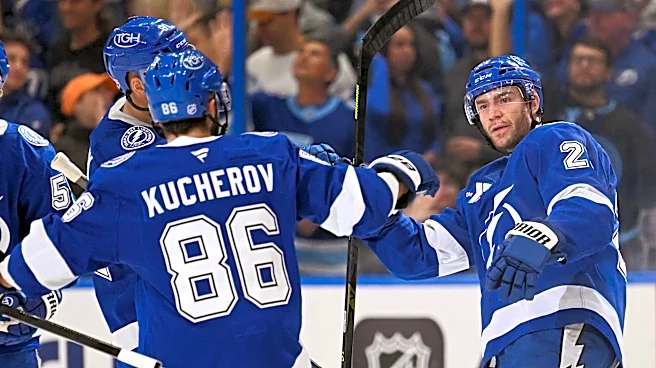
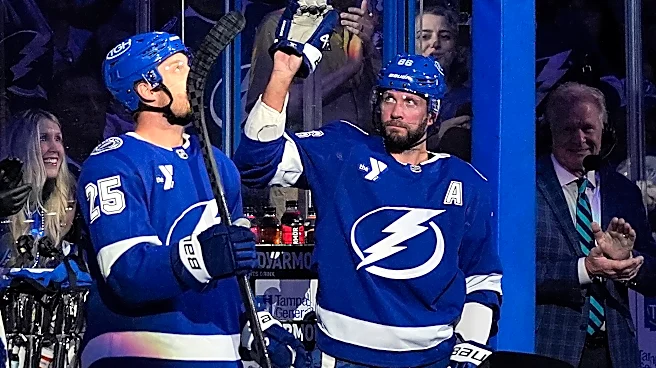
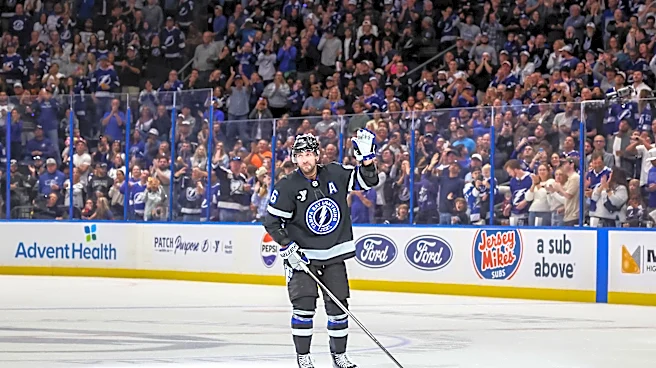
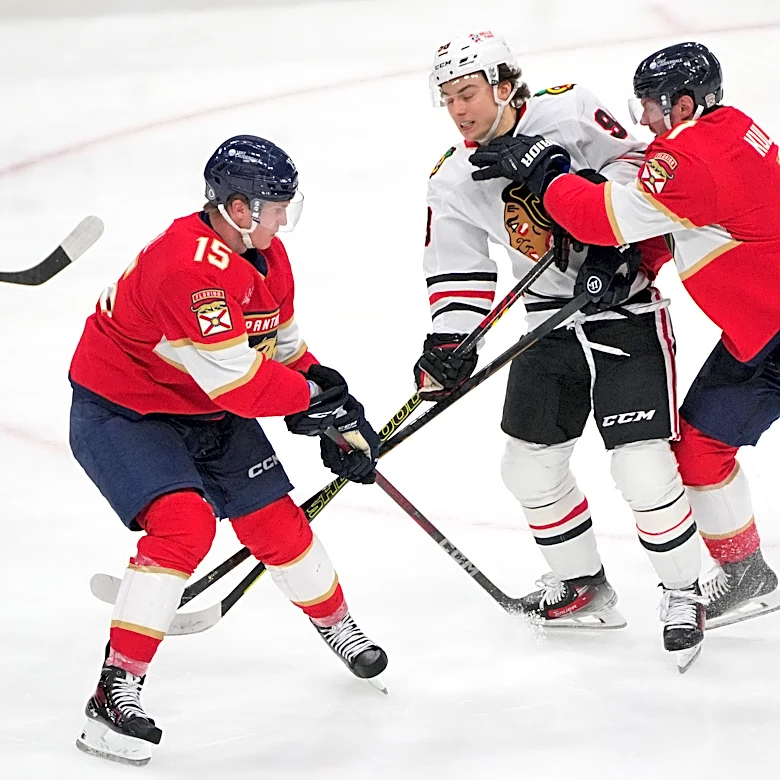
The Chicago Blackhawks are reportedly considering a trade for Tampa Bay Lightning forward Nikita Kucherov, as suggested by Matt Larkin of Daily Faceoff. This speculation arises as the Blackhawks, currently with a 4-10-1 record in the 2026-27 season, seek
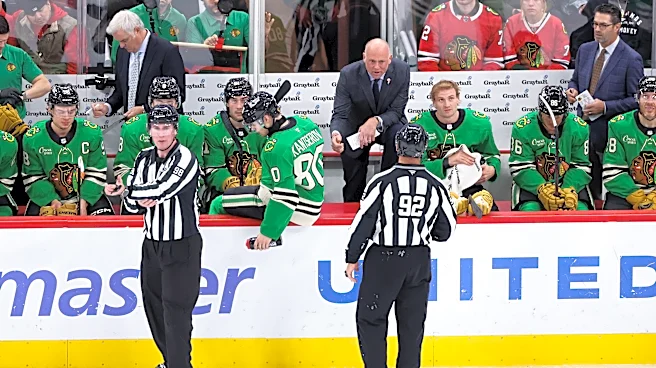
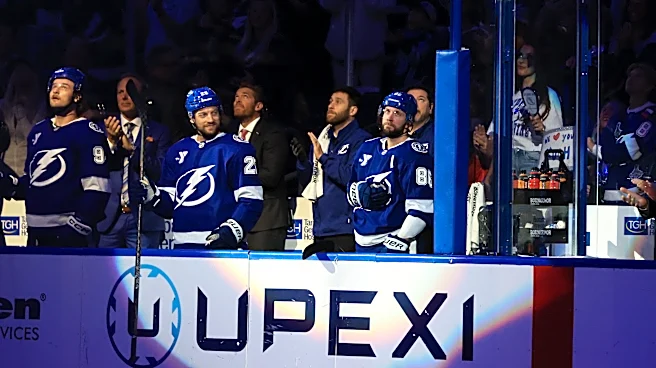
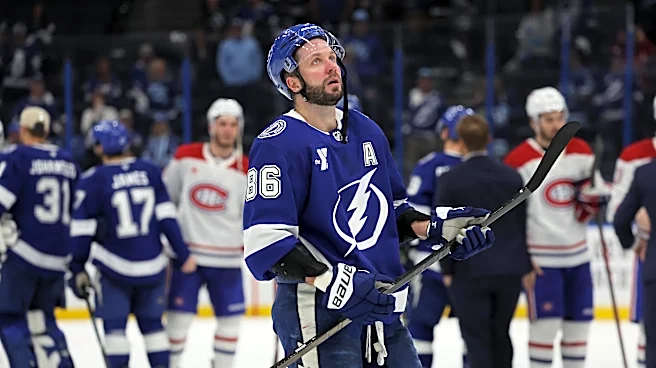
to accelerate their rebuilding timeline. The team possesses significant cap space, with over $37 million available for next season, and a mix of young NHL talent and high-end prospects that could entice the Lightning. While Kucherov, a two-time MVP and Stanley Cup champion, would not immediately place the Blackhawks in a 'win now' position, he would significantly boost their competitiveness. The potential move would also offer Kucherov a shift to a larger market and the opportunity to play alongside star center Connor Bedard. Any such trade would likely hinge on securing a contract extension for Kucherov beyond the current season, and his relationship with Blackhawks coach Jeff Blashill, who was an assistant in Tampa during Kucherov's most productive years, could play a role in negotiations.
Why It's Important?
A potential acquisition of Nikita Kucherov would represent a significant strategic shift for the Chicago Blackhawks, signaling an intent to move beyond a pure rebuilding phase and accelerate their return to contention. For the Blackhawks, adding a player of Kucherov's caliber would provide immediate offensive firepower and a veteran presence to complement their young core, particularly Connor Bedard. This move could energize the fanbase and potentially attract other high-profile players in the future, altering the team's trajectory. For the NHL, such a high-profile trade involving a star player like Kucherov could reshape the competitive landscape, especially if it involves significant assets from the Blackhawks' prospect pool. It also highlights the growing trend of teams with substantial cap space leveraging it to acquire established talent to expedite rebuilds, rather than solely relying on draft picks and development. The success or failure of such a move could influence future team management strategies across the league.
What's Next?
The immediate next step involves continued speculation and potential internal discussions within the Blackhawks organization regarding the feasibility and desirability of pursuing Nikita Kucherov. The Tampa Bay Lightning would need to assess their own strategic goals and whether trading a player of Kucherov's caliber aligns with their future plans. If the Blackhawks decide to pursue a trade, they would likely initiate discussions with the Lightning, exploring potential trade packages involving young talent like Frank Nazar or Oliver Moore, and draft capital. A critical factor will be Kucherov's willingness to sign an extension with Chicago, as the Blackhawks would likely not make such a significant trade without assurances of his long-term commitment. The performance of the Blackhawks in the coming weeks and the stability of coach Jeff Blashill's position could also influence the team's aggressiveness in pursuing such a high-impact trade.
Beyond the Headlines
Beyond the immediate on-ice impact, a potential trade for Nikita Kucherov by the Chicago Blackhawks carries deeper implications for player movement and team building in the NHL. It underscores the evolving dynamics of player power and market appeal, as star players increasingly seek opportunities in larger markets or with teams that offer a clear path to contention. The discussion around Kucherov, despite his success in Tampa, highlights the perceived value of playing in an 'Original Six' market like Chicago. Furthermore, it raises questions about the balance between long-term rebuilding through the draft and accelerating competitiveness through high-profile trades. The financial aspect is also significant; the Blackhawks' substantial cap space demonstrates how strategic financial management can create opportunities to acquire elite talent, potentially setting a precedent for other teams navigating salary cap constraints. This move could also influence how teams value their prospects versus immediate veteran impact in a league increasingly focused on both short-term success and sustainable long-term growth.