









What's Happening?
Xpeng has initiated closed beta testing for its GX robotaxi program, marking a significant milestone in its autonomous driving ambitions. The testing phase follows an eight-month development period, during which Xpeng announced the robotaxi plan, conducted
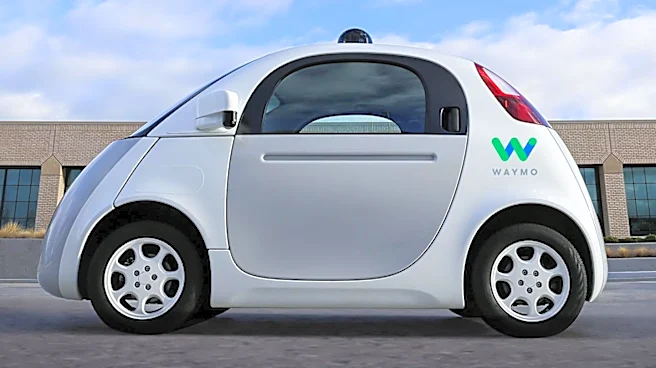
road testing, and began production rollout. The GX robotaxi is built on Xpeng's flagship GX SUV and features SAE Level 4 autonomous driving capabilities. The vehicle is equipped with Xpeng's Turing AI chips, providing substantial onboard computing power. This approach emphasizes a camera vision-led production vehicle, differentiating it from competitors like Waymo.
Why It's Important?
The launch of Xpeng's robotaxi program represents a major advancement in the autonomous vehicle industry, particularly in China. By developing a factory-installed, mass-produced robotaxi, Xpeng is positioning itself as a leader in the autonomous driving sector. This initiative could accelerate the adoption of autonomous vehicles, potentially transforming urban transportation and reducing reliance on human drivers. The program's success could also influence regulatory frameworks and encourage further investment in autonomous vehicle technology.
What's Next?
Xpeng plans to expand its robotaxi operations, with pilot programs scheduled for the latter half of 2026 and a target for fully driverless service by early 2027. The company is also exploring the integration of its autonomous technology into consumer vehicles, which could broaden its market reach. As the program progresses, Xpeng will need to address safety and regulatory challenges to ensure successful deployment and public acceptance of its robotaxi services.