


What's Happening?
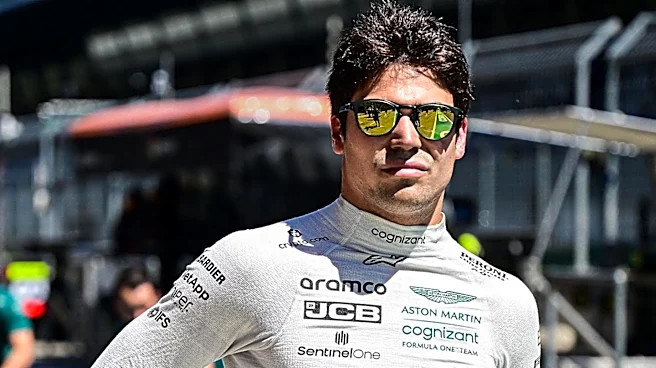
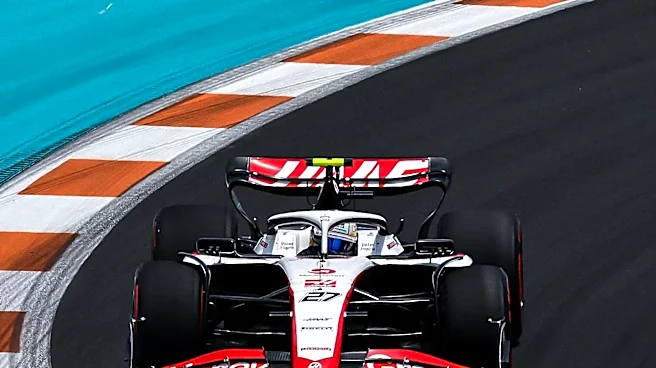
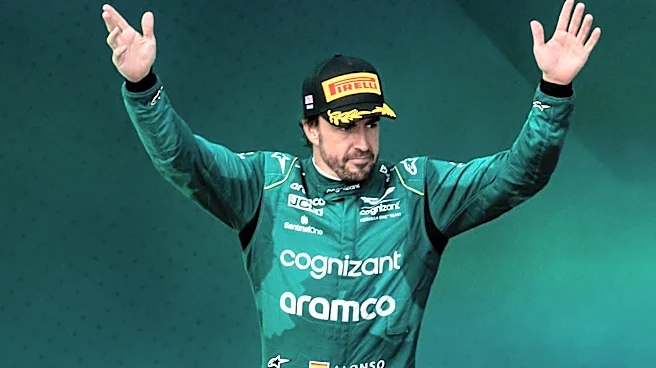
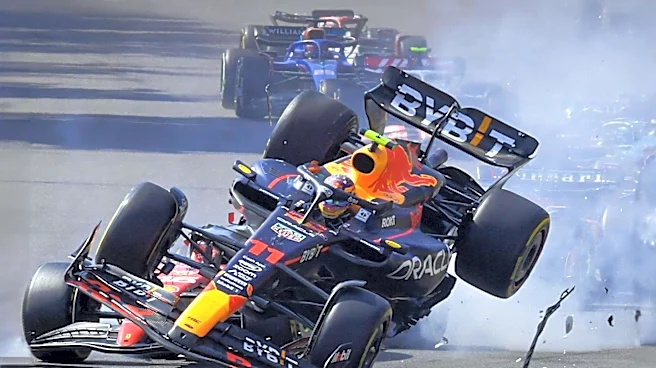
Fernando Alonso, an Aston Martin driver, has doubled down on his previous criticism regarding the quality of drivers at the back of the Formula 1 grid. His comments follow a collision with Alex Albon during the opening lap of the United States Grand Prix,
an incident that caused significant damage to Alonso's car. Alonso described the quality of these drivers as 'very low' and attributed their actions to a 'lack of talent.' He specifically labeled Albon's move in Austin as a 'mistake that was not needed' and expressed difficulty understanding the perceived opportunity Albon saw. Alonso clarified that his criticism is not limited to the Austin incident but reflects similar situations he has observed throughout the season. He also noted that while cars at the back of the grid are more challenging to drive due to less grip, this does not excuse the 'unnecessary' mistakes, particularly in the context of cost cap regulations.
Why It's Important?
Alonso's persistent critique underscores a growing tension within Formula 1 regarding driving standards and the impact of on-track incidents. His remarks highlight the financial strain that frequent collisions place on teams, especially those operating under the sport's cost cap regulations. For smaller teams, repairing damage from avoidable accidents can significantly deplete resources that could otherwise be allocated to car development and performance improvements. This situation can exacerbate the competitive gap between well-funded front-runners and those with more limited budgets. The debate also brings into question the consistency of officiating and whether current penalties are sufficient to deter aggressive or careless driving. The ongoing discussion could influence future rule interpretations and enforcement, potentially leading to a more disciplined approach to racing, particularly in the congested midfield and back-of-grid battles.
What's Next?
The controversy ignited by Alonso's comments is likely to continue to be a talking point among drivers, teams, and Formula 1 officials. While Alonso has indicated he won't raise the issue in official drivers' meetings, the public nature of his statements could prompt internal discussions within teams and potentially lead to a review of driving conduct, especially during the initial laps of races. Other drivers, such as Pierre Gasly and Oliver Bearman, have already voiced their disagreement with Alonso's assessment, suggesting a divided opinion within the paddock. This divergence of views could lead to further public exchanges and potentially influence how race stewards perceive and penalize on-track incidents. The focus on 'unnecessary' mistakes and their financial implications under the cost cap may also encourage teams to implement stricter internal guidelines for their drivers' race craft and risk management.
Beyond the Headlines
Alonso's pointed remarks extend beyond a simple critique of driving ability, touching upon deeper systemic issues within Formula 1. His reference to the 'cost cap' in conjunction with 'breaking things every race' suggests a concern that some teams might be less constrained by financial penalties for damage, potentially creating an uneven playing field. This raises questions about the effectiveness of the cost cap in achieving its intended goal of promoting financial sustainability and competitive balance across the grid. Furthermore, Alonso's observation that 'when you are at the back of the grid, the cars are difficult to drive' highlights the inherent challenges faced by drivers in less competitive machinery, where the margin for error is significantly smaller. This could spark a broader discussion about car design philosophies, aerodynamic regulations, and whether the current technical rules inadvertently contribute to a higher incidence of mistakes among certain teams, thereby impacting the overall spectacle and fairness of the sport.