

What's Happening?
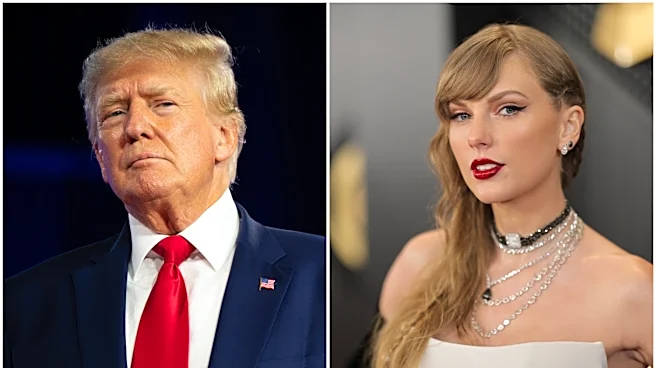
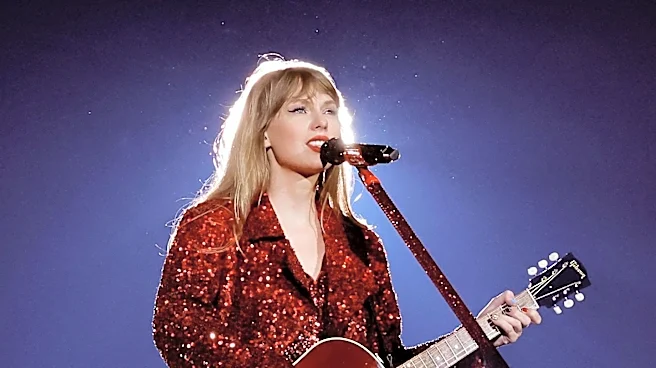
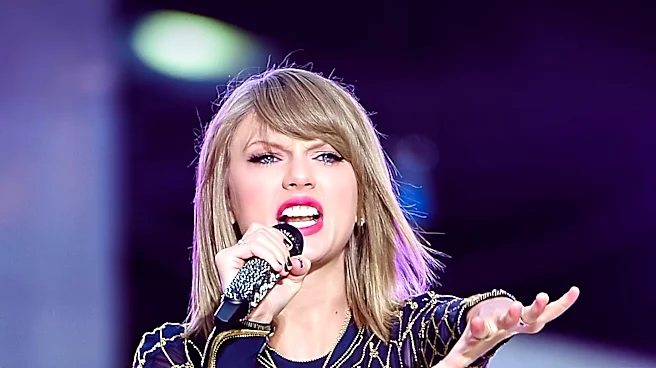
Taylor Swift's songs have been removed from videos posted by President Trump's campaign and the White House following backlash from the artist and others. The campaign had used Swift's music in various social media posts, including TikTok, to promote
President Trump. These posts featured Swift's songs with captions that played on her lyrics, such as 'Red (Donald Trump's Version)' and 'We Are Never Ever Getting Back Together (The Biden Harris Administration)'. The use of Swift's music without permission led to a call from Swift and other artists, including Sabrina Carpenter and Ariana Grande, for the Trump administration to cease using their songs. The White House had also shared videos featuring Swift's music, which included images of President Trump and patriotic symbols. These actions have sparked significant social media reactions and criticism from the artists involved.
Why It's Important?
The removal of Taylor Swift's songs from President Trump's campaign materials highlights ongoing tensions between artists and political campaigns over the unauthorized use of music. This incident underscores the broader issue of intellectual property rights and the ethical considerations of using artists' work in political contexts without consent. The backlash from Swift and other artists reflects a growing trend of musicians taking a stand against the use of their work in political campaigns that they do not support. This situation also illustrates the potential impact of social media in amplifying disputes between public figures and political entities, influencing public perception and potentially affecting voter sentiment.
What's Next?
It is likely that the Trump campaign will need to reassess its use of music in promotional materials to avoid further legal and public relations issues. The campaign may seek to obtain proper permissions or opt for royalty-free music to prevent similar controversies. Artists may continue to be vigilant about the use of their work in political contexts, potentially leading to more public statements or legal actions if unauthorized use persists. This incident may also prompt discussions within the music industry about establishing clearer guidelines and protections for artists regarding the use of their work in political campaigns.