






What's Happening?
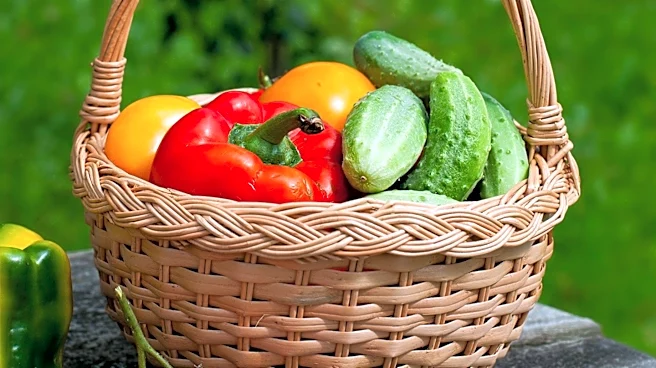
Brian Brigantti, a gardener in Maine, returned home after a 10-day trip to find his garden unexpectedly overflowing with a variety of produce, including tomatoes, peppers, beans, squash, and sunflower seeds. Documenting his experience on TikTok, Brigantti showcased
a large basket filled with the mature harvest, noting that 'The garden likes a little neglect apparently.' This discovery highlights that consistent, hands-on gardening is not always necessary for a successful yield. While some produce was lost to birds or over-ripening, the overall abundance demonstrated the garden's ability to thrive with minimal intervention during his absence. The post garnered significant attention, with over 83,000 likes and numerous positive comments from other gardeners.
Why It's Important?
This event underscores the growing interest in low-maintenance gardening and its potential benefits for individuals and households across the U.S. In an era of rising grocery prices, growing food at home offers a practical way to save money and access fresh, often better-tasting produce. Beyond financial savings, gardening provides significant health advantages, including physical activity, stress reduction, and improved mood, aligning with broader public health initiatives. Brigantti's experience suggests that even busy individuals can achieve successful harvests, making gardening more accessible. This could encourage more Americans to start their own gardens, contributing to local food security and promoting healthier lifestyles, while also reducing reliance on commercial food supply chains.
What's Next?
The viral nature of Brigantti's story on platforms like TikTok is likely to inspire more individuals to explore gardening, particularly those who may have been deterred by the perceived time commitment. This could lead to an increase in demand for gardening supplies, educational resources on low-maintenance techniques, and community gardening initiatives. Experts may further investigate and promote specific plant varieties and soil management practices that support this 'neglect-friendly' approach. The emphasis on the health and economic benefits of homegrown produce could also influence public policy discussions around urban farming, community gardens, and sustainable living. We might see a continued trend of sharing gardening successes and tips on social media, fostering a larger, more engaged gardening community.
Beyond the Headlines
Brigantti's experience taps into a deeper cultural shift towards self-sufficiency and a re-evaluation of our relationship with nature. The idea that a garden can flourish with 'a little neglect' challenges conventional notions of constant control and intervention, suggesting a more harmonious approach to cultivation. This resonates with broader environmental movements advocating for less intensive farming practices and greater biodiversity. Ethically, it promotes a more forgiving and less perfectionist attitude towards gardening, making it accessible to a wider demographic and reducing the pressure often associated with maintaining a pristine garden. This narrative also highlights the power of social media in disseminating practical knowledge and fostering communities around shared interests, influencing lifestyle choices and promoting sustainable living practices across the nation.