



What's Happening?
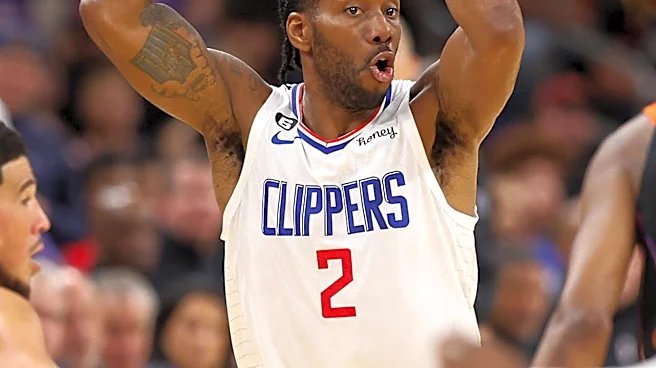
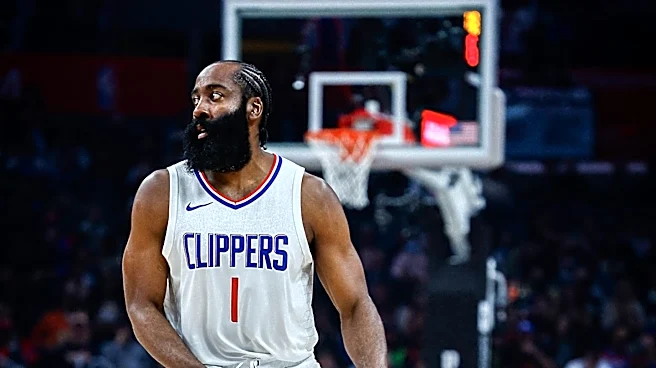
The NBA has publicly disputed an ESPN report regarding its ongoing investigation into the Los Angeles Clippers and team owner Steve Ballmer. ESPN reported that the league's investigation found no evidence that Ballmer funneled money through team sponsors
to circumvent the salary cap, a core allegation in the nearly yearlong ordeal involving Clippers star Kawhi Leonard. However, the NBA, through its Chief Communications Officer Mike Bass, issued a statement asserting that ESPN's article, for which the NBA declined to cooperate, contains 'numerous and significant inaccuracies.' The league emphasized that the results of the investigation would be made clear once concluded. The investigation initially focused on Leonard's endorsement deal with Aspiration, a green banking company in which Ballmer was an investor. This deal, valued at $28 million, was characterized by some as a 'no-show job' intended to bypass salary cap rules. The NBA's probe has since expanded to include other endorsement deals Leonard had with companies like Daktronics and Boingo Wireless, which also have partnerships with the Clippers.
Why It's Important?
This public disagreement between the NBA and ESPN highlights the high stakes and sensitive nature of the investigation. The NBA's swift rebuttal of ESPN's report suggests a desire to control the narrative and maintain the integrity of its investigative process, especially given the potential implications for salary cap enforcement. If the Clippers were found to have circumvented the salary cap, it could lead to severe penalties, including fines, loss of draft picks, or even suspensions, which would significantly impact the team's competitive standing and the league's financial structure. The situation also raises questions about the transparency of league investigations and the role of sports journalism in uncovering potential wrongdoing. The outcome will set a precedent for how the NBA handles similar allegations in the future, potentially influencing how teams and players structure endorsement deals and interact with team sponsors. The ongoing uncertainty also affects player movement, as evidenced by the reported delay in a potential trade involving Kawhi Leonard due to concerns about possible sanctions.
What's Next?
The NBA's investigation into the Clippers and Steve Ballmer is ongoing, and the league has stated that the results will be made public once concluded. Both the Clippers and the NBA are reportedly engaged in negotiations to resolve the matter, indicating a potential settlement or agreement before a final public announcement. NBA Commissioner Adam Silver has expressed a desire to resolve the case before the start of the 2026-27 regular season. The focus of the investigation appears to be shifting from direct funneling of money to whether the team's introduction of Kawhi Leonard to team sponsors constitutes a violation of league rules, particularly regarding 'failure to supervise employees.' If the NBA ultimately finds no direct evidence of salary cap circumvention, the league will need to provide a comprehensive explanation to satisfy fans and other teams, especially given the detailed reporting by journalists like Pablo Torre. Conversely, if penalties are imposed, they could range from financial sanctions to draft pick forfeitures, and Ballmer has indicated he would challenge any finding of intentional circumvention through arbitration.
Beyond the Headlines
The dispute between the NBA and ESPN extends beyond the immediate allegations against the Clippers, touching upon broader issues of journalistic integrity and the power dynamics between sports leagues and media outlets. The NBA's decision to publicly discredit ESPN's reporting, without specifying the inaccuracies, could be seen as an attempt to manage public perception and protect its image. This incident also underscores the complex relationship between team owners, players, and sponsors in professional sports. The practice of teams introducing players to sponsors is common, but the line between legitimate business development and salary cap circumvention can be blurry. The case could lead to a re-evaluation of league rules regarding player-sponsor interactions and team oversight, potentially resulting in clearer guidelines to prevent future ambiguities. Furthermore, the involvement of a now-bankrupt company and a co-founder who pleaded guilty to defrauding investors adds a layer of complexity, highlighting the potential for external financial dealings to entangle sports organizations in legal and ethical dilemmas.