





What's Happening?
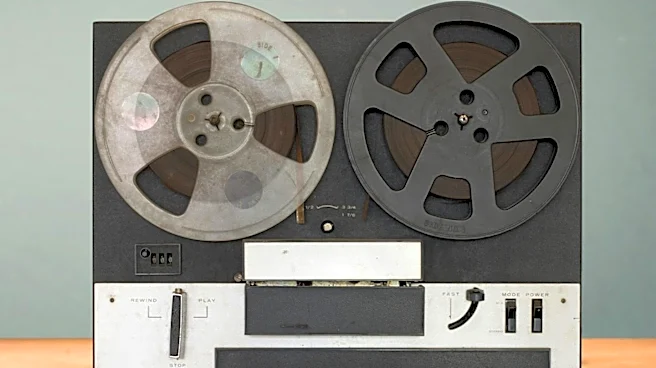
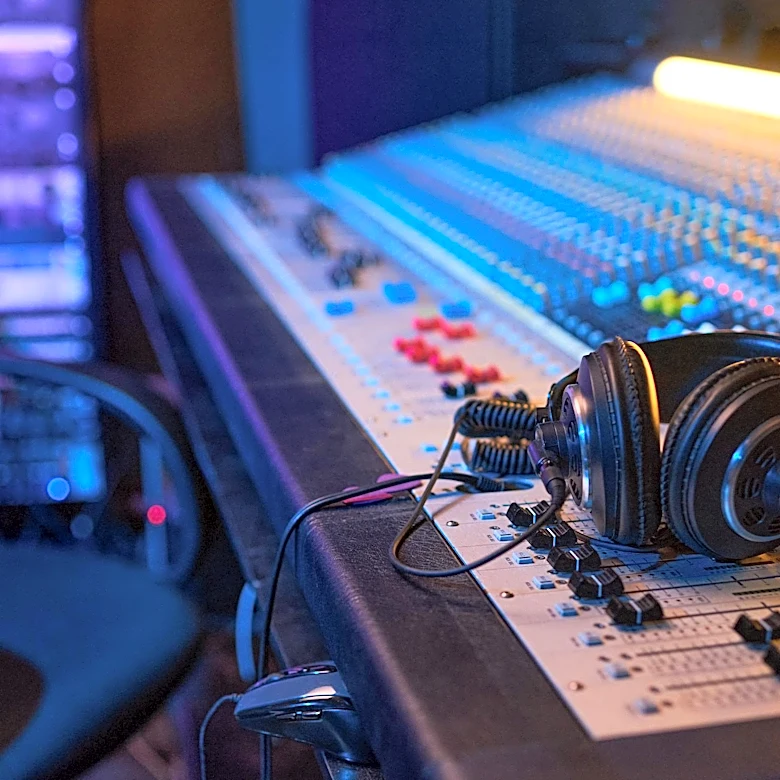
Q Division Studios in Cambridge, Massachusetts, a 40-year-old recording facility, recently dedicated a week to old-school reel-to-reel recording, temporarily setting aside digital equipment. This initiative, dubbed 'Analog Tape Week,' allowed contemporary
musicians to experience the traditional method of recording on analog tape. Michael Healey, the studio's main audio tech, prepared the Studer 827, a 24-track tape recorder from the late 1990s, for use. Head engineer Rafi Sofer, who learned tape editing in 2000, emphasized the unique 'magic' and 'character' of analog recording, which he described as both physical and spiritual. The studio aimed to introduce younger artists to this method, offering free rental tape to reduce costs, as a new reel of two-inch tape can cost around $400. The local alt-rock band Astral Bitch was among those who took advantage of this rare opportunity to record a song on analog tape, with drummer Michael Nasawaty noting the warm, analog sound it imparted to his instrument.
Why It's Important?
The revival of Analog Tape Week at Q Division Studios highlights a growing appreciation for vintage recording techniques in the music industry, offering a counterpoint to the pervasive digital landscape. This initiative is significant because it provides modern musicians with a hands-on experience of a recording process that demands greater precision, preparation, and intention, as editing on analog tape is far more complex and irreversible than digital methods. For artists, recording on reel-to-reel can impart a distinct 'warm' sound and a unique character that many audiophiles and musicians believe is absent in purely digital recordings. This movement also underscores the value of preserving traditional craftsmanship and technology in creative fields, ensuring that future generations of artists can explore and benefit from diverse production methods. It also creates a niche market for studios equipped with and skilled in analog recording, potentially influencing sound trends and production quality in contemporary music.
What's Next?
Q Division Studios plans to host another Analog Tape Week in January, indicating a continued commitment to offering this unique recording experience. This suggests that other studios might follow suit, recognizing the demand for analog recording among artists seeking a distinct sound or a nostalgic experience. The increased exposure to analog techniques could lead to a resurgence of interest in the medium, potentially driving innovation in analog equipment manufacturing or restoration. Musicians who experience analog recording may incorporate its principles into their digital workflows, influencing the overall sound of future productions. Furthermore, this trend could foster a greater appreciation for the historical evolution of music production, encouraging a more diverse and experimental approach to sound engineering and artistic creation.
Beyond the Headlines
The return to analog recording at Q Division Studios reflects a broader cultural phenomenon of valuing authenticity and tangible experiences in an increasingly digital world. Beyond the technical aspects, the 'spiritual' and 'hypnotic' qualities attributed to reel-to-reel recording by engineers and musicians suggest a deeper connection to the creative process. This movement challenges the notion that technological advancement always equates to superior artistic output, highlighting that older methods can offer unique aesthetic and experiential benefits. It also touches upon the concept of 'planned obsolescence' in technology, as functional analog equipment, despite its age, continues to be valued for its distinct qualities. The high cost and limited availability of analog tape also raise questions about the sustainability and accessibility of such niche artistic practices, potentially creating a divide between artists who can afford these methods and those who cannot.