






What's Happening?
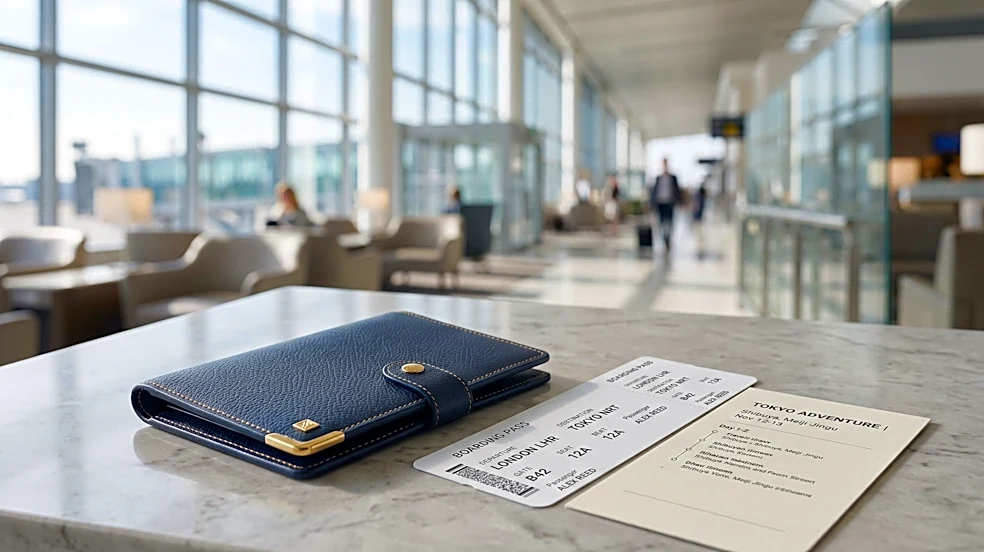
Planning a spontaneous getaway, even with limited time, is achievable by focusing on key elements such as destination choice, budget, essential bookings, and packing. For short trips, selecting a destination that is easily accessible and offers readily
available experiences, like beach towns or walkable cities, is crucial. Travelers should aim to spend no more than a quarter of their total trip time in transit. Establishing a simple budget upfront helps manage expenses for transportation, lodging, food, and activities, preventing impulse overspending. Prioritizing the booking of major items like transportation and accommodation first allows for flexibility with other aspects of the trip. Utilizing travel apps for comparing rates and finding deals can streamline this process. Packing light with versatile clothing and essential items is also recommended to save time and reduce hassle. The overall approach emphasizes flexibility, allowing for discovery rather than adhering to a rigid schedule, and leveraging technology for efficient planning.
Why It's Important?
The ability to plan spontaneous getaways is important for individuals seeking quick rejuvenation and stress relief without extensive pre-planning. In a fast-paced society where time is often a constraint, these tips offer a practical framework for making short-notice travel feasible and enjoyable. This approach can boost the travel and tourism industry by encouraging more frequent, albeit shorter, trips, potentially increasing demand for local attractions, accommodations, and transportation services. For individuals, it promotes mental well-being by providing opportunities for breaks and new experiences, which can reduce burnout and improve overall life satisfaction. The emphasis on budgeting and efficient planning also makes travel more accessible to a wider range of income levels, fostering a more inclusive travel culture. Furthermore, by encouraging local or regional travel, it can support local economies and reduce the environmental impact associated with long-distance journeys.
What's Next?
Travelers can immediately apply these strategies to plan their next short-notice trip, focusing on destinations within a few hours' travel time. The continued development of travel apps and online booking platforms will likely further simplify the process of finding last-minute deals and accommodations, making spontaneous travel even more accessible. As more people embrace this style of travel, there may be an increased demand for flexible booking options and curated short-trip packages from travel providers. Local tourism boards might also adapt by promoting easily accessible attractions and experiences tailored for quick getaways. Individuals are encouraged to regularly check their schedules for unexpected free time, as these opportunities can be quickly converted into refreshing escapes using the outlined planning methods.
Beyond the Headlines
The trend towards spontaneous, short-duration travel reflects a broader societal shift towards valuing experiences and flexibility over rigid long-term planning. This approach challenges the traditional notion that meaningful travel requires extensive preparation and significant time off. It highlights a growing desire for immediate gratification and the ability to adapt to changing circumstances, which is increasingly prevalent in modern lifestyles. Ethically, it encourages a more mindful approach to travel, focusing on quality of experience rather than quantity of destinations. Legally, as spontaneous bookings become more common, there might be a need for more flexible cancellation policies and travel insurance options tailored to last-minute changes. Culturally, it could foster a greater appreciation for local and regional attractions, as people are more likely to explore nearby options for quick trips, potentially leading to a resurgence in local tourism and community engagement.