


What's Happening?
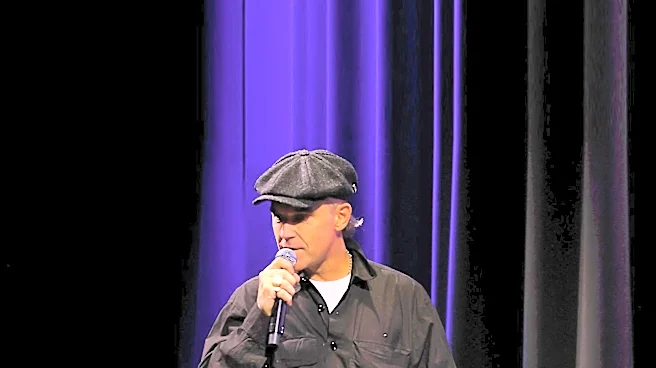
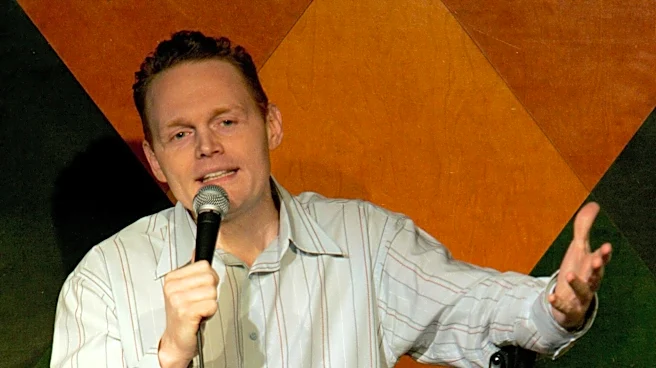
Comedian Bill Burr stated on the 'Listen and Laugh' podcast that Comedy Central executives initially failed to grasp the humor of 'Chappelle's Show,' particularly the 'Charlie Murphy's Real Hollywood Stories' segments. Burr, who worked with Dave Chappelle on the popular
series, recounted his own amusement with the segments and contrasted it with the network's initial reaction. According to Burr, someone connected to the show revealed that when the content was first presented to Comedy Central, executives questioned its comedic value, perceiving it as merely a series of long, funny anecdotes rather than a cohesive sketch comedy. Despite this initial skepticism from the network, Burr recognized the show's burgeoning success when he observed young fans leaving live music events early to watch 'Chappelle's Show' when it aired. The show, which premiered in 2003 and concluded in 2004, has since become a significant part of Dave Chappelle's comedic legacy.
Why It's Important?
This revelation from Bill Burr highlights the often-unpredictable nature of creative success in the entertainment industry and the potential disconnect between network executives and audience reception. It underscores how groundbreaking or unconventional comedic formats might initially be misunderstood by those in decision-making positions, even when they later achieve widespread acclaim and cultural impact. For Comedy Central, this anecdote serves as a historical example of a missed opportunity to fully recognize the potential of a show that would become one of its most iconic and influential productions. For comedians and content creators, it offers insight into the challenges of pitching innovative ideas and the importance of audience validation, which ultimately propelled 'Chappelle's Show' to its legendary status despite initial executive reservations. The show's enduring influence on sketch comedy and its role in shaping Dave Chappelle's career further emphasize the significance of this early executive skepticism.
What's Next?
Dave Chappelle has expressed openness to potentially reviving 'Chappelle's Show,' a significant development for fans of the influential sketch series. In an interview with the Associated Press, Chappelle indicated that while he would have dismissed the idea a year prior, he is now 'considering it.' This suggests a potential future for the show, which abruptly ended in 2004 but remains a defining part of Chappelle's legacy. Any revival would likely generate considerable anticipation and scrutiny, given the show's cultural impact and Chappelle's subsequent career trajectory. The decision to bring back such a beloved and influential series would involve complex negotiations and creative considerations, potentially reshaping the landscape of contemporary sketch comedy and offering new material from one of its most celebrated figures.
Beyond the Headlines
The story of 'Chappelle's Show' and its initial reception by Comedy Central executives delves into the broader dynamics of artistic vision versus corporate gatekeeping in the entertainment industry. It raises questions about how much creative freedom artists are afforded and how network executives, often driven by commercial considerations, evaluate and greenlight projects. The show's eventual success, despite initial doubts, illustrates that popular appeal can sometimes defy conventional industry wisdom. This narrative also touches upon the cultural impact of comedy, as 'Chappelle's Show' not only entertained but also sparked conversations about race, society, and pop culture. The potential revival of the show could reignite these discussions and offer a new platform for Chappelle to address contemporary issues, further cementing its place as a culturally significant work.