






What's Happening?
Ørsted, a prominent offshore wind energy company, has announced the completion of construction for its inaugural large-scale battery energy storage system (BESS) in the United Kingdom. This system, named Iceni after a historical Norfolk-based warrior
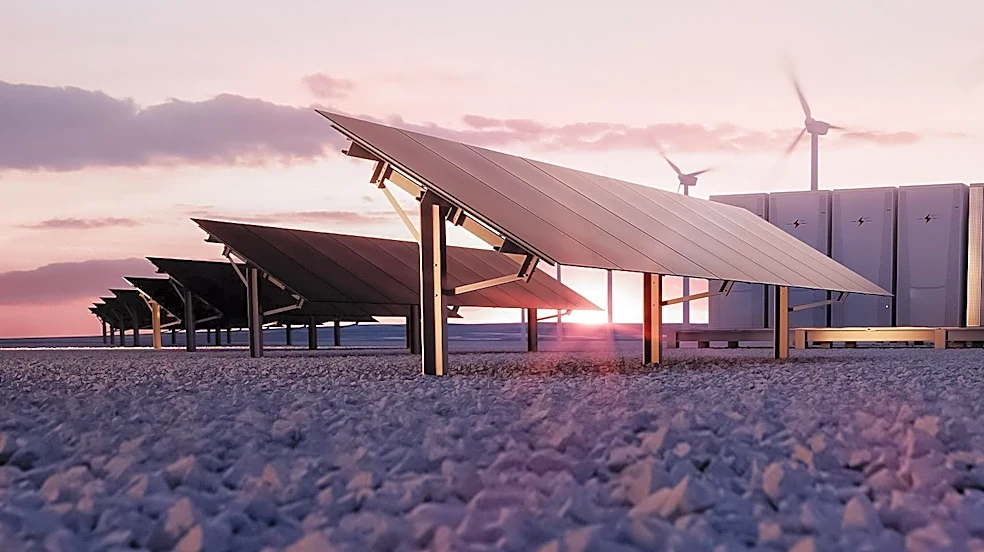
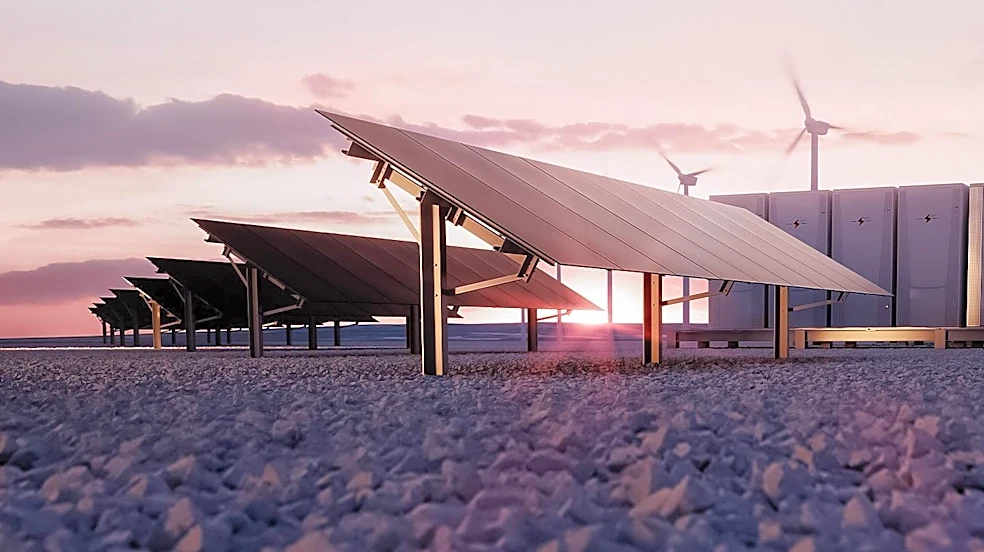
tribe, is located near Norwich, Norfolk, adjacent to the onshore converter station for Ørsted’s Hornsea 3 offshore wind farm. The Iceni BESS incorporates 170 megapacks, each comparable in length to a classic Routemaster London bus but weighing five times as much. It boasts a capacity of 600 MWh and a 300 MW power rating, capable of supplying the daily electricity needs of 80,000 UK homes. The project involved a collaborative effort from specialists at Ørsted, Hitachi Energy, Knights Brown, and Tesla. Its unique design features a split layout with two areas separated by the Hornsea 3 onshore converter station, connected by 18 x 33 kV cables, each over 600 meters long. The project is currently in the final stages of mechanical and electrical installation, with commissioning and testing underway in preparation for energization.
Why It's Important?
The completion of Ørsted's Iceni BESS marks a significant step in enhancing the UK's renewable energy infrastructure and grid stability. This large-scale battery storage system will play a crucial role in optimizing the use of renewable energy generated in the UK. By storing excess electricity when generation surpasses demand and releasing it when demand is higher, the BESS helps balance the national grid. This capability is vital for integrating intermittent renewable sources like wind power more effectively, reducing reliance on fossil fuel-based power plants, and mitigating price volatility. The project's scale, poised to be one of Europe's largest, demonstrates a commitment to advanced energy solutions that support a transition to a more resilient, low-carbon energy system. Furthermore, the collaborative nature of the project, involving multiple international and local companies, highlights the complex engineering and logistical efforts required for such large-scale energy initiatives, potentially setting a precedent for future developments in the sector.
What's Next?
The Iceni BESS is now in its final stages of mechanical and electrical installation, with commissioning and testing actively progressing. The next critical step involves the energization of the BESS transformer, which will lead to the system becoming fully operational. Once online, the Iceni BESS will begin its function of storing and dispatching renewable energy, contributing to grid stability and potentially lowering electricity costs for consumers. The successful operation of this project could serve as a model for future large-scale battery energy storage deployments, not only in the UK but also across Europe. Its performance will likely be closely monitored by energy companies and policymakers as they seek to further integrate renewable energy into national grids and achieve decarbonization targets. The experience gained from this project, particularly regarding its unique split layout and shared grid connection, could inform the design and implementation of subsequent energy storage solutions.
Beyond the Headlines
The Iceni BESS project extends beyond its immediate technical achievements, signaling broader implications for energy policy and market dynamics. The ability to store significant amounts of renewable energy addresses a fundamental challenge of renewable integration: intermittency. This technological advancement can reduce the need for 'curtailment,' where renewable energy generation is sometimes halted due to insufficient grid capacity or demand, thereby maximizing the value of renewable assets. Ethically, such systems contribute to energy independence and security by diversifying energy sources and reducing reliance on volatile international energy markets. Environmentally, it directly supports climate change mitigation efforts by facilitating a higher penetration of clean energy. Economically, the project has already fostered local investment, skill development, and job creation in the Norfolk region, as noted by David Shillabeer of Knights Brown. This demonstrates how large-scale infrastructure projects can deliver both environmental benefits and tangible socio-economic advantages for local communities, fostering a positive legacy beyond the operational lifespan of the project itself.