




What's Happening?
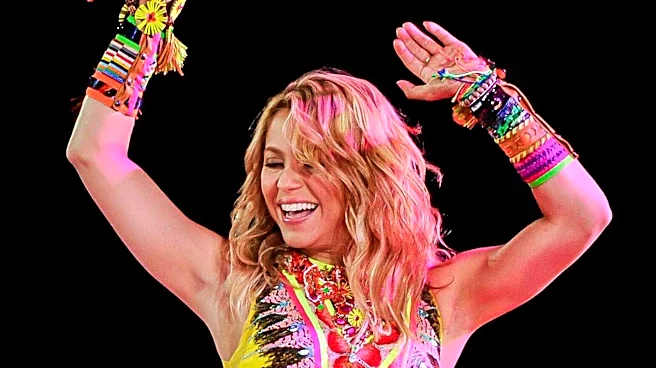
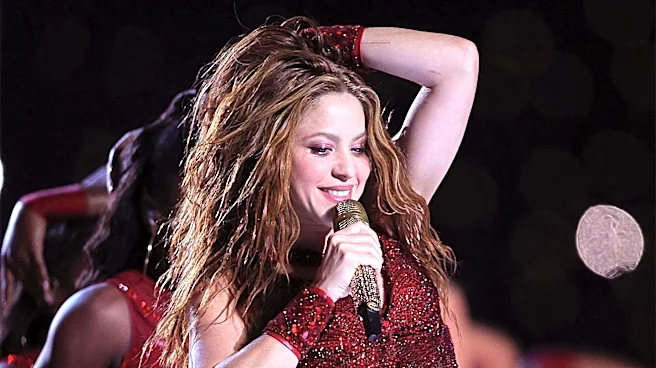
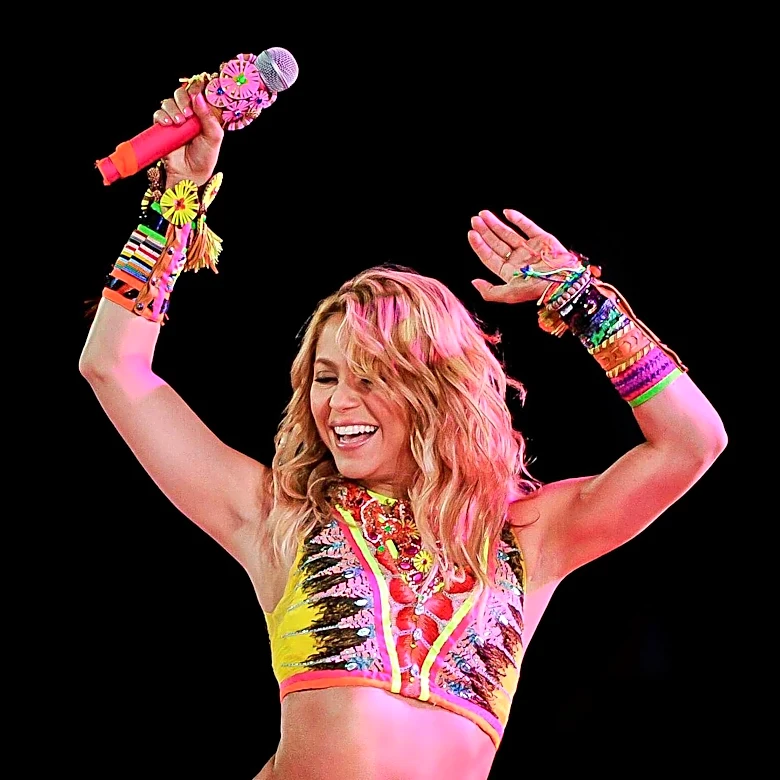
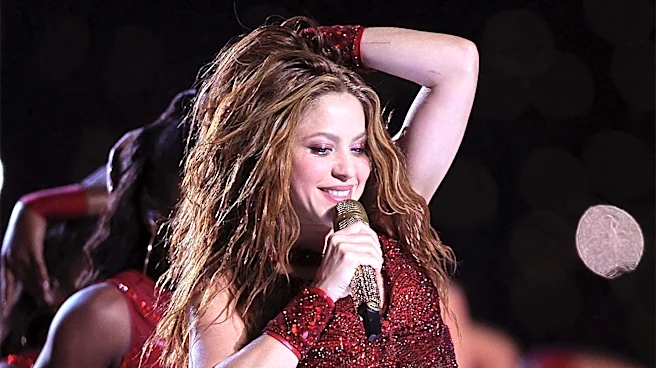
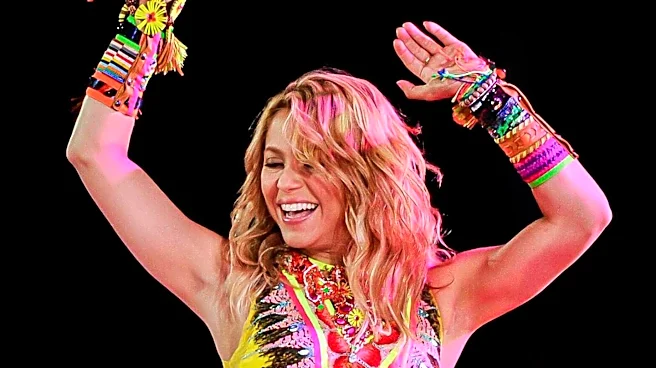
Shakira is set to perform her latest World Cup anthem as part of the first-ever halftime show for a World Cup final. This marks a significant moment as pop superstars unite to bring music to the forefront of the global sporting event. The performance
is expected to enhance the entertainment value of the World Cup, traditionally focused solely on the sport itself. Host Indira Lakshmanan discussed the development with Miguel Perez of NPR’s World Cafe, highlighting the cultural impact of music on the event. The inclusion of a halftime show aligns with efforts to broaden the appeal of the World Cup, attracting a diverse audience beyond just sports fans.
Why It's Important?
The introduction of a halftime show at the World Cup final represents a shift in how the event is marketed and experienced. By incorporating popular music acts, the organizers aim to enhance the global appeal of the World Cup, potentially increasing viewership and engagement. This move could set a precedent for future tournaments, blending sports and entertainment to create a more comprehensive spectacle. The involvement of high-profile artists like Shakira also underscores the event's cultural significance, as music becomes a key component of the World Cup experience. This strategy may influence other major sporting events to adopt similar entertainment elements.
What's Next?
As the World Cup final approaches, anticipation builds around the halftime show and its potential impact on the event's overall success. Organizers and stakeholders will likely assess the audience's reception to determine the viability of continuing such performances in future tournaments. The response from fans and critics could influence how other sports events incorporate entertainment into their programming. Additionally, the collaboration between sports and music industries may open new opportunities for artists and brands to engage with global audiences, potentially leading to more integrated marketing strategies.