







What's Happening?
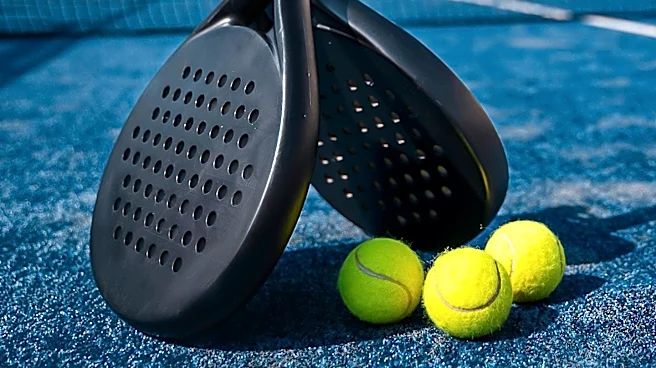
The platform tennis community is actively addressing confusion surrounding its name, particularly in light of the rising popularity of padel. Historically, players have often referred to the sport as 'paddle,' leading to misunderstandings with padel,
a distinct racquet sport. The American Platform Tennis Association (APTA), which was originally the American Paddle Tennis Association, officially adopted 'Platform Tennis' to distinguish itself. The sport's founders, Fess Blanchard and Jimmy Cogswell, initially named it 'platform paddle tennis' in the 1920s, using paddle tennis equipment before specialized gear evolved. The community is now encouraging the use of 'platform tennis' or simply 'platform' to assert its unique identity and avoid conflation with other racquet sports, including the rebranded 'POP tennis' (formerly paddle tennis) and the globally popular padel. Despite the historical use of 'paddle' as a nickname, the community recognizes the need for clarity to prevent ongoing confusion among enthusiasts and the general public.
Why It's Important?
This clarification effort is important for the platform tennis community's identity and growth within the broader racquet sports landscape. As other similar sports like padel gain traction, a clear and distinct name is crucial for marketing, public recognition, and attracting new participants. The confusion can dilute the unique characteristics and history of platform tennis, potentially impacting its ability to secure sponsorships, media coverage, and dedicated facilities. For players, a consistent naming convention fosters a stronger sense of community and belonging. The welcoming nature of the platform tennis community towards other racquet sports, as noted by Patty Hogan, who called pickleball a 'gateway drug for platform tennis,' highlights a desire for collaboration rather than competition, which is aided by clear distinctions. Without a unified name, the sport risks being overshadowed or misunderstood, hindering its potential expansion and recognition in the competitive U.S. sports market.
What's Next?
The platform tennis community will likely continue its internal and external campaigns to promote the use of 'platform tennis' or 'platform.' This could involve educational initiatives through the APTA, increased emphasis on official terminology in tournaments and events, and consistent messaging in promotional materials. The ongoing growth of padel in the U.S. will likely intensify these efforts, as the need for differentiation becomes more pressing. The community may also explore further branding strategies to highlight the unique aspects of platform tennis, such as its outdoor winter play and social camaraderie, to attract new players who might otherwise gravitate towards more widely recognized racquet sports. The success of these efforts will depend on widespread adoption by players, clubs, and media outlets, solidifying platform tennis's distinct place in the sports world.
Beyond the Headlines
Beyond the immediate issue of nomenclature, this situation reflects a broader trend in the sports industry where emerging or niche sports grapple with identity in a crowded market. The 'name debate' for platform tennis underscores the challenge of maintaining historical roots while adapting to modern communication and branding needs. It also highlights the cultural nuances of sports terminology, where informal nicknames can persist for decades but eventually create barriers to broader understanding. The community's decision to embrace its unique name, even if it requires repetition, speaks to the value placed on authenticity and heritage. This struggle for identity is not unique to platform tennis; many sports face similar challenges in defining themselves in an increasingly globalized and interconnected sporting world, where clear branding is essential for survival and growth.