

What's Happening?
The American College of Sports Medicine (ACSM) has revised its resistance training guidelines for the first time in 17 years, now officially recognizing bodyweight exercises as an effective method for building muscle. The updated recommendations, which
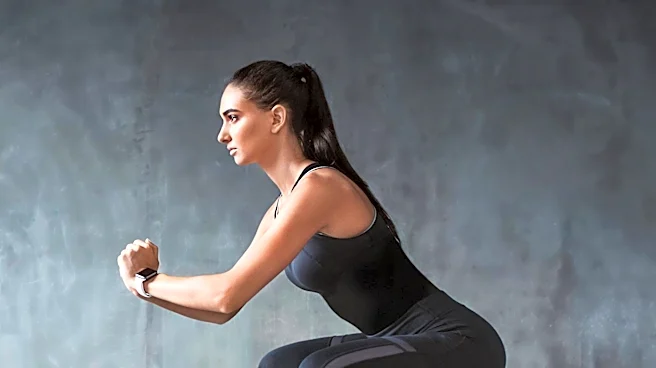
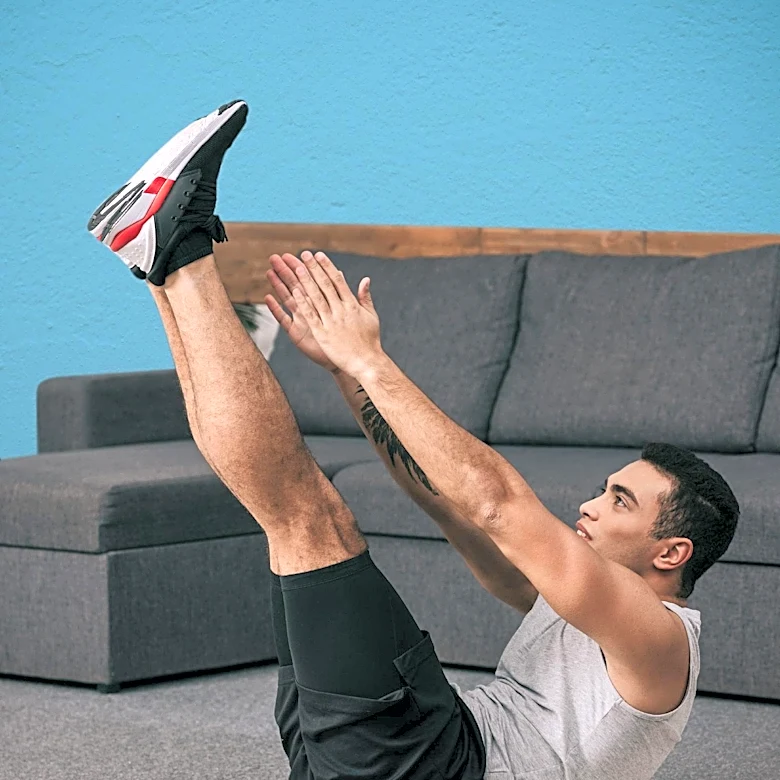
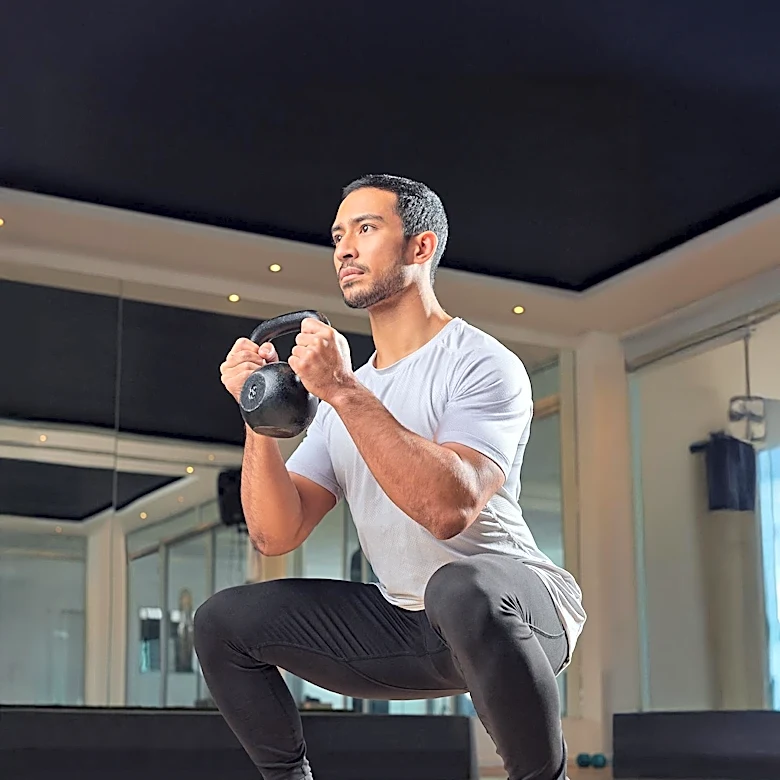
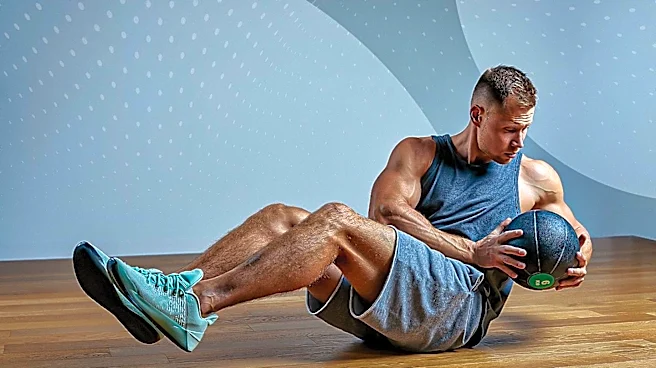
synthesize findings from 137 systematic reviews and data from over 30,000 participants, confirm that all forms of resistance training—including bodyweight movements—are beneficial for improving muscle strength, size, and power. The new guidelines emphasize that consistency and practicality in a workout regimen are more crucial than striving for perfection. Fitness experts support this, noting that bodyweight exercises can provide sufficient resistance for muscle growth when executed with proper form and progressively increased difficulty. The ACSM advises healthy adults to train each major muscle group at least twice per week. For those without equipment, fundamental exercises like push-ups, pull-ups, squats, lunges, and glute bridges can effectively target major muscle groups and can be modified for various fitness levels.
Why It's Important?
These updated guidelines from a prominent sports medicine authority are significant for public health and fitness. By explicitly endorsing bodyweight exercises, the ACSM makes muscle-building more accessible to a broader population, removing barriers such as gym memberships or specialized equipment. This shift can encourage more individuals to engage in regular strength training, which is vital for overall health, bone density, and metabolic function. The emphasis on consistency over perfection may also reduce intimidation for beginners and promote long-term adherence to exercise routines. For the fitness industry, this could lead to a greater focus on bodyweight training programs and resources, potentially shifting market trends. Furthermore, the validation of bodyweight exercises as effective means that individuals can maintain fitness routines even when travel or other circumstances limit access to traditional gyms, promoting a more adaptable approach to physical well-being.
What's Next?
Following the release of these updated guidelines, it is anticipated that fitness professionals, personal trainers, and health educators will integrate these recommendations into their programs and advice. There may be an increased development of bodyweight-focused workout plans, online tutorials, and fitness apps designed to help individuals implement these exercises effectively. Educational campaigns from public health organizations could also highlight the benefits and accessibility of bodyweight training. Individuals are encouraged to gradually increase the difficulty of their bodyweight exercises through progressive overload, such as increasing repetitions, reducing rest times, or advancing to more challenging variations. The guidelines also stress the importance of listening to one's body and stopping any exercise that causes sharp pain or discomfort, recommending medical evaluation if symptoms persist. This will likely lead to a greater emphasis on proper form and safe progression in bodyweight training instruction.
Beyond the Headlines
The ACSM's updated guidelines reflect a broader cultural shift towards more functional and accessible fitness. In an era where health disparities are a concern, validating equipment-free workouts can democratize strength training, making it feasible for individuals across various socioeconomic backgrounds. This could lead to improved public health outcomes by reducing sedentary lifestyles and increasing muscle mass, which is crucial for aging populations. Ethically, it reinforces the idea that effective health interventions don't always require significant financial investment. Legally, these guidelines may influence recommendations from healthcare providers and insurance companies regarding preventative health measures. Culturally, it challenges the perception that serious strength training requires heavy weights or specialized gym environments, promoting a more inclusive and adaptable view of physical fitness. This could foster a more sustainable approach to lifelong physical activity, integrating exercise into daily life rather than viewing it as a separate, often costly, endeavor.