



What's Happening?
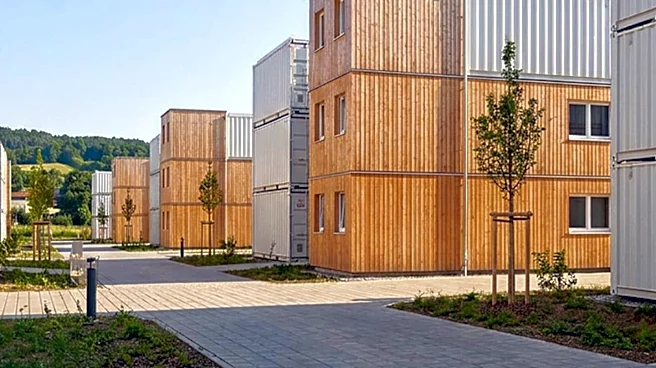
Modern barndominium plans are emerging as a popular housing trend in the U.S., offering a blend of rustic and contemporary design. These structures, often featuring metal framing but also designed for conventional framing, are characterized by shed roofs,
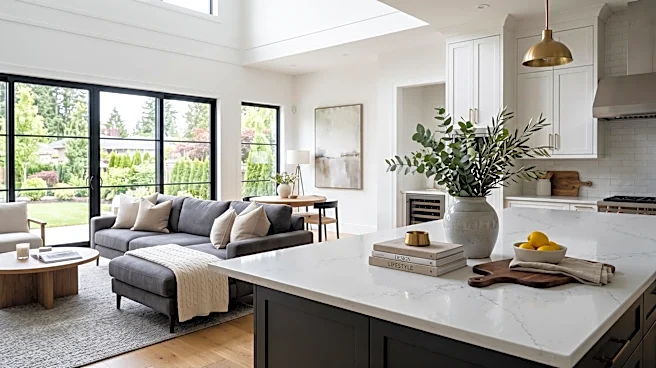
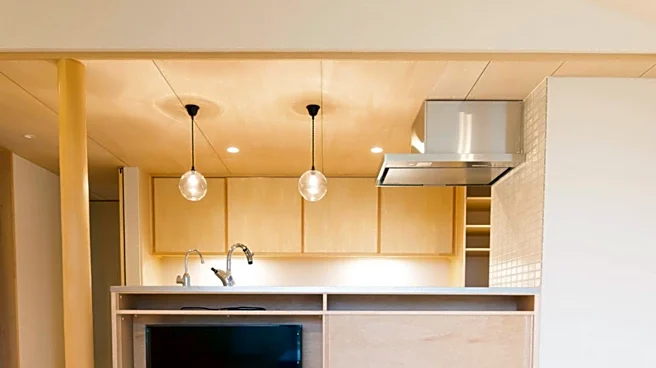
simple footprints, and large windows. Many barndominium designs incorporate a Scandinavian aesthetic with natural tones and abundant light. Key features include open-concept layouts, which provide flexibility for customization, and efficient use of space. These plans are gaining favor for their ease of construction, versatility with large garages and workshops, and low maintenance requirements compared to more complex traditional designs. They are particularly appealing to first-time homebuyers, empty-nesters, and those seeking a smaller, more manageable living space.
Why It's Important?
The rise of modern barndominium plans signifies a notable shift in U.S. housing preferences, impacting the construction industry, real estate market, and financial institutions. Their cost-effectiveness and simplified construction process can make homeownership more accessible, particularly in regions with high housing costs. This trend creates opportunities for builders specializing in alternative construction methods and for suppliers of metal framing and related materials. However, it also presents challenges, as financing for barndominiums can be more complex due to their non-traditional nature, requiring lenders to adapt their policies. The growing demand for versatile, low-maintenance homes reflects evolving consumer priorities, influencing future residential development and design innovation across the country.
What's Next?
The barndominium trend is expected to continue its growth, with increasing awareness and acceptance among homebuyers and financial institutions. As more builders gain expertise in this construction style, the availability of skilled trades familiar with metal framing may improve. We may see more standardized financing options emerge as the market matures, making these homes more accessible. Design innovations are likely to further enhance their aesthetic appeal and functionality, potentially incorporating more sustainable and energy-efficient features. The versatility of barndominiums, particularly their ability to include large workshops or garages, suggests they will remain attractive to individuals seeking multi-functional living and working spaces, influencing zoning regulations and community planning in some areas.
Beyond the Headlines
The appeal of barndominiums extends beyond their practical benefits, tapping into a broader cultural desire for self-sufficiency, adaptability, and a connection to a simpler, more agrarian lifestyle, even within a modern context. This housing choice often reflects a rejection of traditional suburban norms in favor of more personalized and functional living spaces. The open layouts and customizable interiors encourage creativity and a sense of ownership over one's environment, fostering a unique blend of community and individuality. This trend could also signal a shift towards more resilient and adaptable housing solutions, particularly in rural and semi-rural areas, where the blend of residential and functional space aligns with evolving work-from-home trends and a desire for greater independence.