

What's Happening?
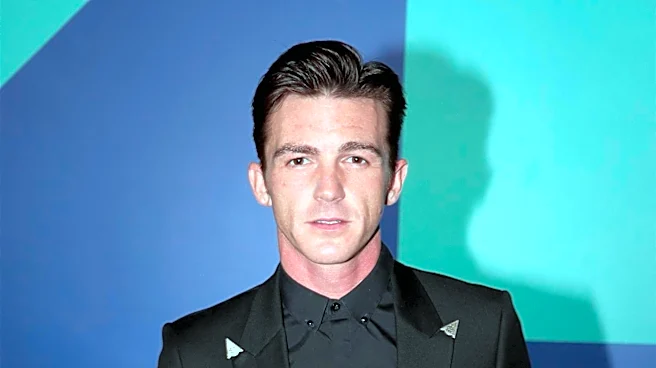
Actor Drake Bell, known for his role in Nickelodeon's 'Drake & Josh,' has publicly criticized Nickelodeon for not providing residuals from the show, stating that actors only received a weekly check. Bell expressed his frustration during a video with YouTuber
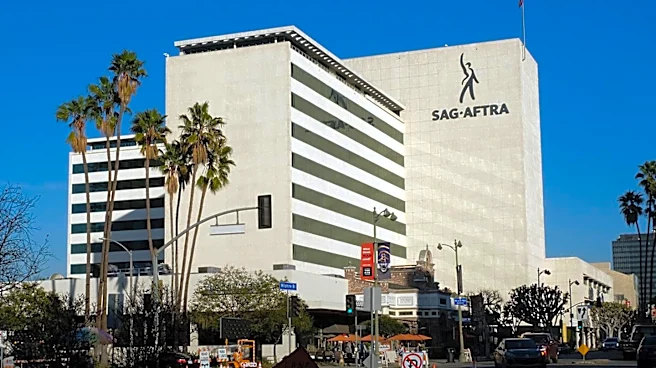
N3on, claiming that not receiving residuals is 'not normal' and attributing it to 'Nickelodeon sucks.' He also highlighted how younger actors might accept unfavorable contracts due to limited options. This comes after Bell revealed in October that he no longer qualifies for health insurance through SAG-AFTRA, despite decades of work. He shared a screenshot of his declined coverage, indicating he needed to earn an additional $11,452.47 to meet the $28,933 requirement for the SAG-AFTRA Health Plan. Bell tagged Sean Astin, identified as the president of SAG-AFTRA, in his social media posts, questioning the union's effectiveness.
Why It's Important?
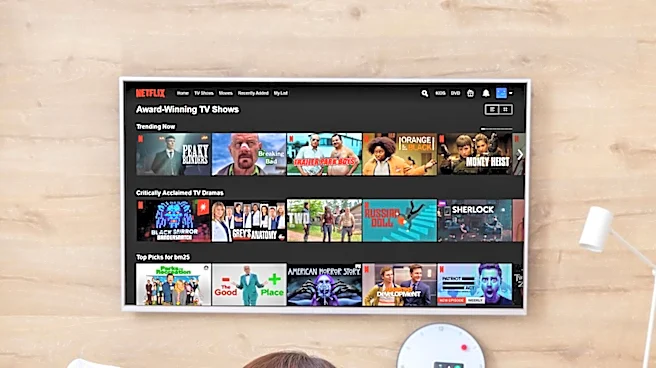
Bell's public statements bring to light significant issues within the entertainment industry concerning actor compensation and benefits. The lack of residuals for a popular show like 'Drake & Josh' underscores potential disparities in contract negotiations, particularly for younger actors who may lack leverage. This situation could prompt a broader discussion about fair compensation practices for performers, especially as content is widely streamed on platforms like Paramount+ and Netflix. Furthermore, Bell's struggle with SAG-AFTRA health insurance highlights the challenges many actors face in maintaining essential benefits, even after years of work. This could lead to increased scrutiny of union policies and eligibility requirements, potentially impacting how actors view their union membership and the protections it offers. The issue resonates with other actors, like Heather Matarazzo and Jack Haven, who have also voiced concerns about losing health insurance.
What's Next?
The public criticism from Drake Bell could potentially spur further dialogue within SAG-AFTRA regarding health insurance eligibility and residual payments. Other actors facing similar challenges might be emboldened to share their experiences, potentially leading to calls for policy reviews or contract renegotiations within the industry. Nickelodeon may face pressure to address Bell's claims regarding residuals, though the company has not yet commented. The ongoing discussion about actor compensation and benefits could influence future collective bargaining agreements between unions and studios, potentially leading to changes in how contracts are structured and how actors are compensated for their work on streaming platforms. The visibility of these issues could also encourage aspiring actors to be more cautious and informed about contract terms before entering the industry.
Beyond the Headlines
The controversy surrounding Drake Bell's compensation and health insurance touches upon deeper systemic issues within the entertainment industry. It highlights the precarious financial reality for many actors, even those who achieve significant fame, challenging the public perception of actors as universally wealthy. The power imbalance between studios and individual actors, particularly at the start of their careers, is a critical underlying factor. This situation also raises ethical questions about the long-term responsibility of production companies and unions towards the well-being of performers. The shift towards streaming services further complicates residual structures, as traditional broadcast models for compensation may not adequately apply. This ongoing evolution of content distribution necessitates a re-evaluation of how artists are fairly compensated and protected in a rapidly changing media landscape, potentially leading to calls for legislative or industry-wide reforms.