

What's Happening?
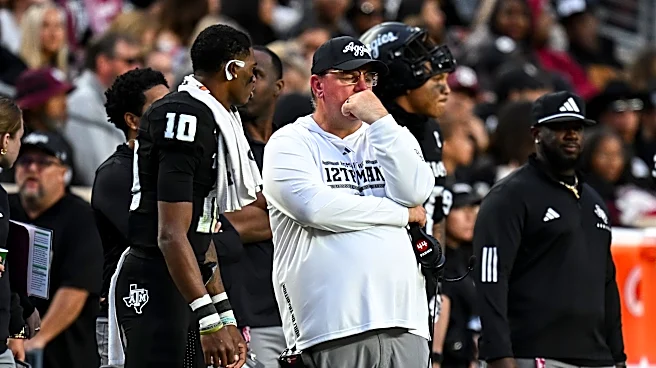
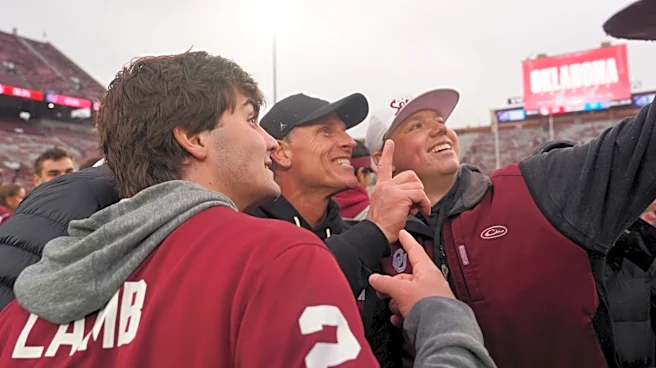
The Southeastern Conference (SEC) has rescheduled the kickoff time for the Week 12 college football game between Oklahoma and Texas A&M. Originally set for an 11 a.m. CT start on November 21, the game will now begin at 2:45 p.m. CT and will be broadcast
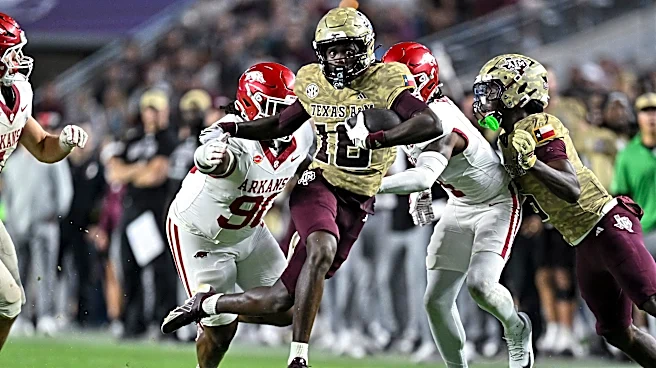
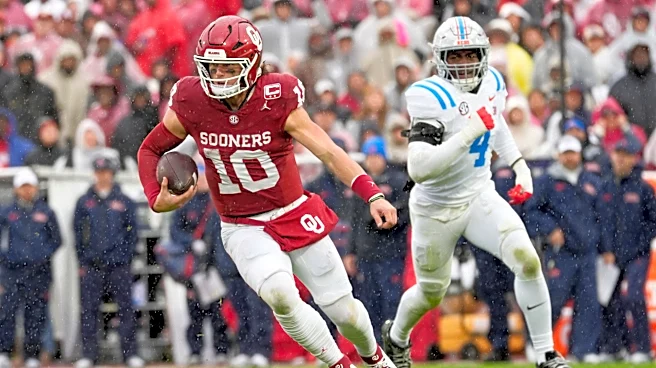
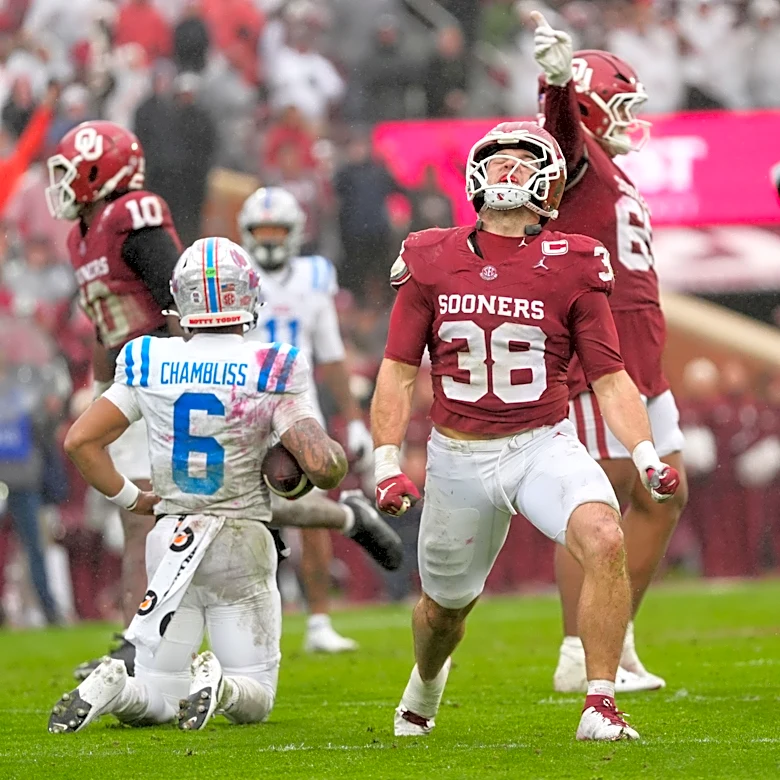
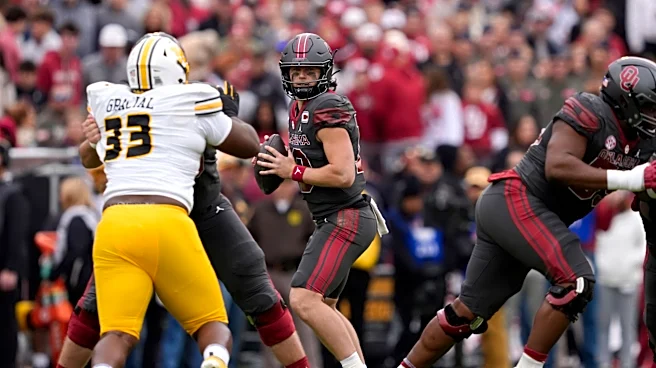
on ESPN2. This adjustment was necessitated by the postponement of Oklahoma's Week 11 game against Ole Miss. The Ole Miss game, initially scheduled for Saturday at 3:15 p.m. CT in Norman, was moved to Sunday at noon due to an FAA ground stop on Friday afternoon, which prevented Ole Miss from securing timely travel to Norman. Oklahoma's athletics director, Roger Denny, had expressed a desire for the SEC to push back the kickoff time for the Texas A&M game in light of the forced Sunday game against Ole Miss. The decision to shift the Oklahoma-Texas A&M game to a midafternoon start was made by the league on Sunday afternoon, during the fourth quarter of the Oklahoma-Ole Miss matchup. This upcoming game marks the first time Oklahoma and Texas A&M will face each other as SEC opponents, with their last encounter being in the 2012 Cotton Bowl after Texas A&M departed the Big 12.
Why It's Important?
This scheduling change highlights the significant logistical challenges and ripple effects that external factors, such as an FAA ground stop, can have on major sporting events and their associated broadcast schedules. For Oklahoma, playing a Sunday game followed by a mid-afternoon game the following Saturday could impact player recovery and preparation, potentially affecting their performance in a crucial conference matchup. The shift also affects fans who had made travel and viewing arrangements based on the original schedule, leading to potential inconvenience and financial implications. For the SEC, managing such disruptions efficiently is vital for maintaining the integrity of its broadcast agreements and the overall fan experience. The game itself carries historical significance as the first SEC meeting between Oklahoma and Texas A&M, rekindling a rivalry that was largely dormant since 2011. The outcome could influence conference standings and future recruiting efforts for both programs, especially as Oklahoma transitions into the SEC.
What's Next?
The Oklahoma Sooners will proceed with their rescheduled game against Ole Miss on Sunday, followed by the adjusted kickoff time for their Week 12 home finale against Texas A&M on November 21. Both teams will need to adapt their preparation schedules to account for the altered timing, particularly Oklahoma, which faces a shorter turnaround between games. The SEC will continue to monitor and manage its schedule, especially as unforeseen circumstances like FAA ground stops can occur. Fans are advised to stay updated on any further schedule changes through official university and SEC channels. The broadcast partners, ESPN2, will proceed with the new kickoff time, ensuring national coverage of this significant conference game. The performance of both teams in these rescheduled games will be closely watched, as it could set a precedent for how the SEC handles similar logistical challenges in the future.
Beyond the Headlines
The incident underscores the intricate dependencies within large-scale event planning, where a seemingly unrelated event like an FAA ground stop can cascade into significant disruptions across multiple sectors, including sports and media. It also brings to light the power dynamics within collegiate athletics, where conference decisions can override individual university preferences, as evidenced by Oklahoma's administration expressing dismay over the initial Sunday game. This situation could prompt discussions within athletic conferences and regulatory bodies about contingency planning for travel disruptions and their impact on athlete welfare and competitive fairness. Furthermore, the re-establishment of the Oklahoma-Texas A&M rivalry within the SEC framework marks a new chapter for both programs, potentially intensifying competition and fan engagement as they navigate their shared conference future. The logistical hurdles faced could also lead to innovations in travel and scheduling protocols for major sports leagues to mitigate future disruptions.