
What's Happening?
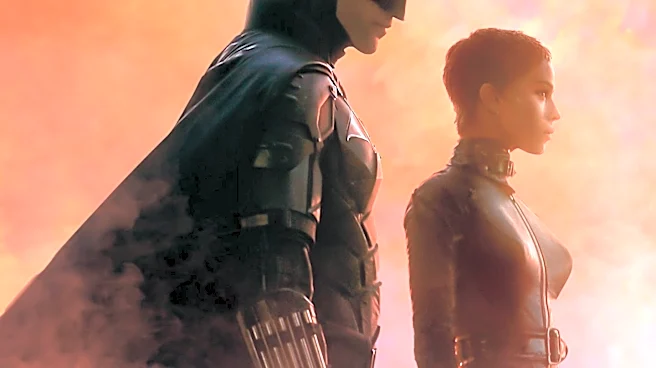
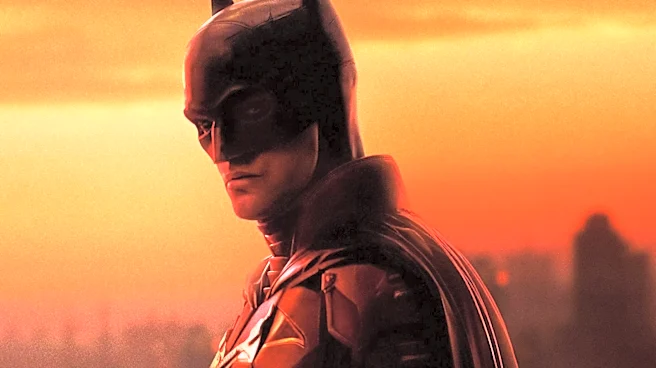
DC Studios is grappling with the challenge of integrating two distinct versions of Batman into its cinematic universe. Matt Reeves' 'The Batman,' starring Robert Pattinson, introduced a standalone, gritty portrayal of Bruce Wayne, with a sequel, 'The Batman:
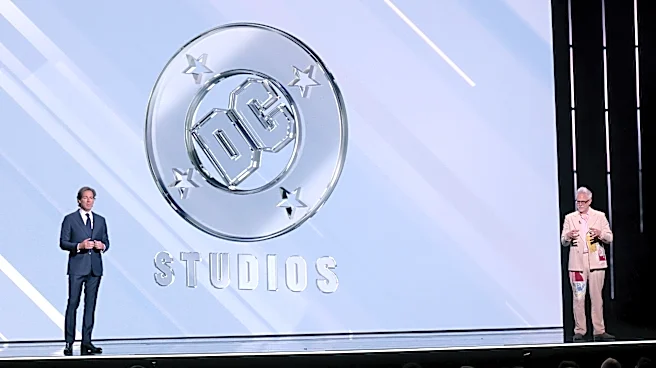
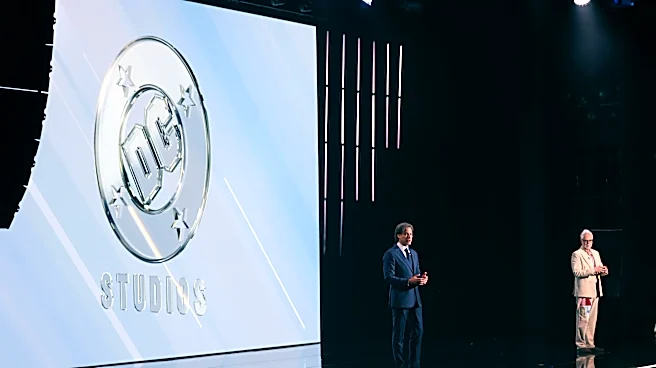
Part II,' planned to continue this narrative independently of the broader DC Universe. Concurrently, James Gunn announced 'The Brave and the Bold,' which aims to introduce a new DCU version of Batman alongside his son, Damian Wayne, as Robin. This dual approach creates potential for audience confusion and 'Batman oversaturation.' The situation is further complicated by the upcoming departure of James Gunn and Peter Safran from their day-to-day roles as co-CEOs of DC Studios on December 1, with Jeremy Latcham set to take over as the new president and chief creative officer. While Gunn and Safran will continue producing existing projects, the long-term creative direction for the DCU, particularly concerning the new Batman, will fall to the new leadership.
Why It's Important?
The successful integration and differentiation of these two Batman iterations are crucial for the future of the DC Universe. Batman is a cornerstone character and a significant draw for audiences, making his portrayal critical to the franchise's success. A misstep could lead to audience fatigue, dilute the character's impact, and undermine the coherence of the DCU. The leadership transition from Gunn and Safran to Jeremy Latcham adds another layer of uncertainty, as the new team will inherit the complex task of shaping the narrative direction for 'The Brave and the Bold.' The ability of DC Studios to present a compelling and distinct version of Batman for its new universe, while acknowledging the existing popular portrayal, will significantly influence audience reception and the overall financial and critical performance of upcoming DC films. This situation highlights the challenges of managing established intellectual property within a shared cinematic universe, especially when multiple creative visions are at play.
What's Next?
With James Gunn and Peter Safran stepping down from their daily executive roles on December 1, Jeremy Latcham will assume leadership as the new president and chief creative officer of DC Studios. His immediate challenge will be to navigate the ongoing development of 'The Brave and the Bold' and define the new DCU's Batman in a way that distinguishes him from Robert Pattinson's portrayal. The creative direction for 'The Brave and the Bold,' including its story and character development, will now largely rest with Latcham and his team. Audiences will be watching closely to see how DC Studios addresses the potential for 'Batman oversaturation' and whether the new leadership can successfully establish a unique identity for the DCU's Batman while maintaining the integrity of the standalone 'The Batman' series. Further announcements regarding casting, plot details, and the overall vision for the DCU's Batman are anticipated as the new leadership settles in.
Beyond the Headlines
The challenge facing DC Studios extends beyond mere character differentiation; it touches upon the broader strategy of cinematic universes and audience engagement. The existence of two concurrent Batmen raises questions about brand consistency and the potential for audience confusion, which could impact long-term franchise loyalty. This situation could set a precedent for how major studios manage beloved characters across different narrative continuities, especially in an era where shared universes are prevalent. Ethically, it highlights the tension between creative freedom for individual filmmakers (like Matt Reeves) and the overarching need for a cohesive universe vision. The success or failure of DC Studios in this endeavor could influence future decisions across the entertainment industry regarding intellectual property management, creative control, and the delicate balance between satisfying existing fanbases and attracting new audiences.