






What's Happening?
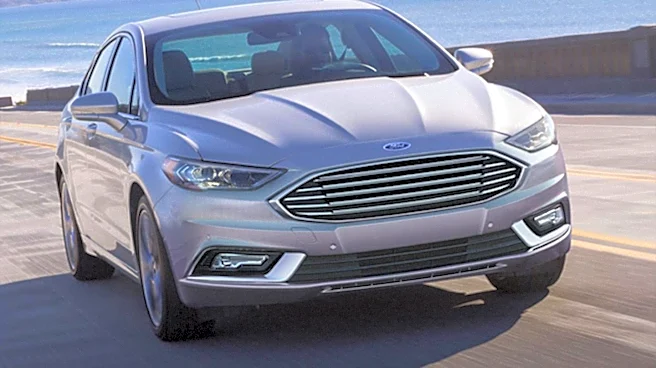
Salvage Ford Fusion SE cars are being offered for sale through online auctions, providing an opportunity for buyers to acquire a stylish, reliable, and fuel-efficient mid-size sedan at a reduced price. These vehicles, which typically carry a salvage title
due to prior accidents, theft recovery, or other significant damage, are available to licensed dealers, auto dealers, and private buyers. The Ford Fusion SE is known for its comfortable ride, modern technology, and strong fuel efficiency, often equipped with a 2.5L 4-cylinder engine or a 1.5L turbocharged engine. Online platforms like AutoBidMaster facilitate these purchases, offering detailed vehicle histories and descriptions to aid in inspection before bidding. Buyers are advised to thoroughly inspect the exterior, engine, transmission, suspension, brakes, and tires, and review the vehicle's title and history.
Why It's Important?
The availability of salvage vehicles like the Ford Fusion SE through online auctions has significant implications for the U.S. automotive market and consumers. It creates an accessible pathway for individuals and businesses to acquire vehicles at a lower cost, potentially stimulating the used car market and supporting repair and restoration services. For consumers, it offers an economical alternative to purchasing new or clean-title vehicles, making car ownership more attainable. For businesses, particularly auto repair shops and resellers, it provides a steady supply of inventory for restoration and resale. This segment of the market also highlights the importance of due diligence, as buyers must understand the implications of a salvage title and the extent of damage before making a purchase, impacting consumer protection and transparency in vehicle sales.
Beyond the Headlines
The market for salvage vehicles reflects a broader economic trend where consumers and businesses seek value and cost-effective solutions. The rise of online auction platforms has democratized access to these vehicles, moving beyond traditional salvage yards. This shift also brings to light the environmental aspect of vehicle lifecycle management, as repairing and reusing salvage cars can be seen as a form of recycling, reducing waste and the demand for new manufacturing. However, it also poses challenges related to safety and regulatory compliance, as restored salvage vehicles must meet specific standards to be legally driven. The ethical considerations of selling and buying vehicles with significant prior damage, and ensuring full disclosure to subsequent owners, remain a critical aspect of this market.