







What's Happening?
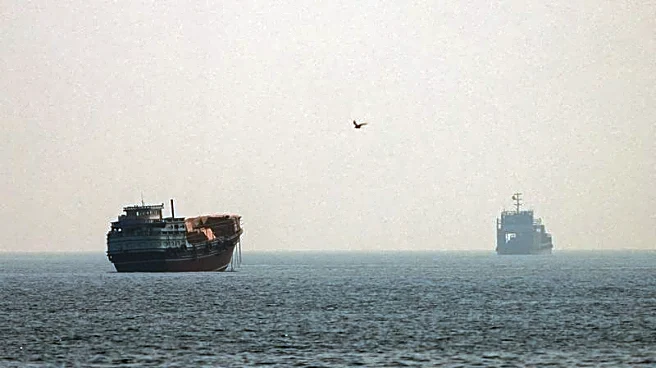
Gold and silver prices have experienced a significant decline following renewed military tensions between Iran and the United States in the Gulf region. The recent exchanges of military strikes have disrupted a previously established ceasefire, leading
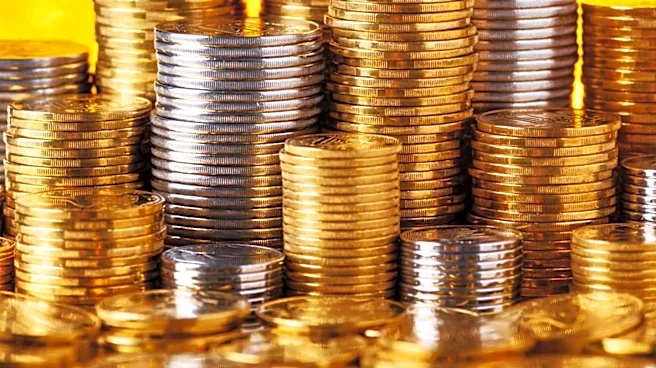
to a drop in precious metal prices. Gold prices fell below $4,100 per ounce, while silver prices dropped below $60 per ounce. Despite the decline, central banks have been purchasing gold, with Poland and China leading the acquisitions. Poland's gold reserves have increased to 614 tonnes, surpassing the Netherlands as the tenth-largest holder globally. Meanwhile, the demand for physical silver has decreased, as evidenced by the Perth Mint's announcement of a 19% drop in silver sales in June compared to May.
Why It's Important?
The decline in gold and silver prices amid geopolitical tensions highlights the volatility of precious metal markets in response to international conflicts. The situation underscores the impact of geopolitical events on commodity prices and market stability. Central banks' continued purchase of gold suggests a strategic move to bolster reserves amid global uncertainties. The decrease in silver demand, particularly from major mints like the Perth Mint, indicates shifting investor preferences and market dynamics. These developments could influence monetary policy decisions and economic strategies, as fluctuations in commodity prices affect inflation and economic growth projections.
What's Next?
The ongoing military tensions in the Gulf could lead to further fluctuations in precious metal prices, depending on the resolution or escalation of the conflict. Market participants will likely monitor geopolitical developments closely, as any changes could impact commodity prices and investor sentiment. Central banks may continue to adjust their gold reserves in response to market conditions, potentially influencing global gold supply and demand dynamics. Additionally, the expansion of the Sierra Gorda joint venture, expected to increase silver production by 2030, could affect future silver market trends.