






What's Happening?
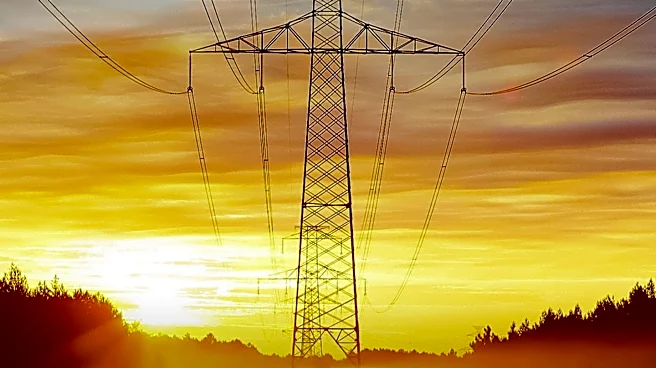
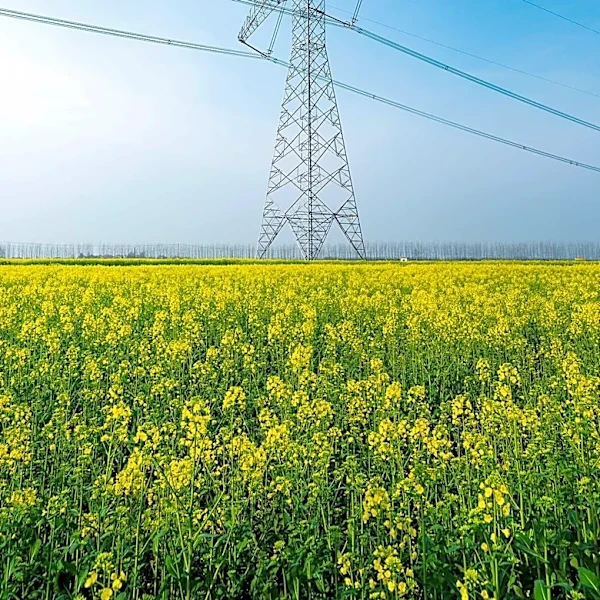
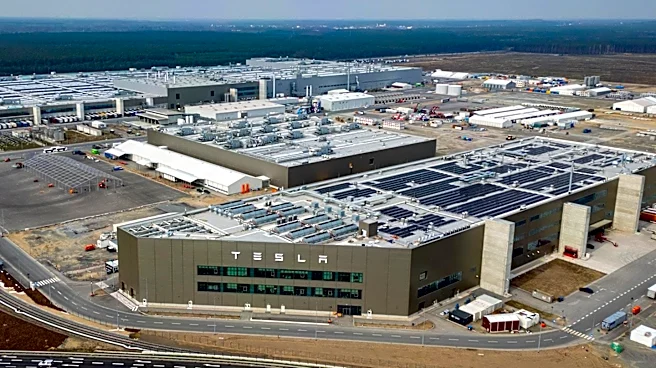
The U.S. power grid is undergoing significant changes to meet increasing electricity demand driven by trends such as electrification, onshore manufacturing, and artificial intelligence. Electric utilities are investing heavily in grid modernization to enhance
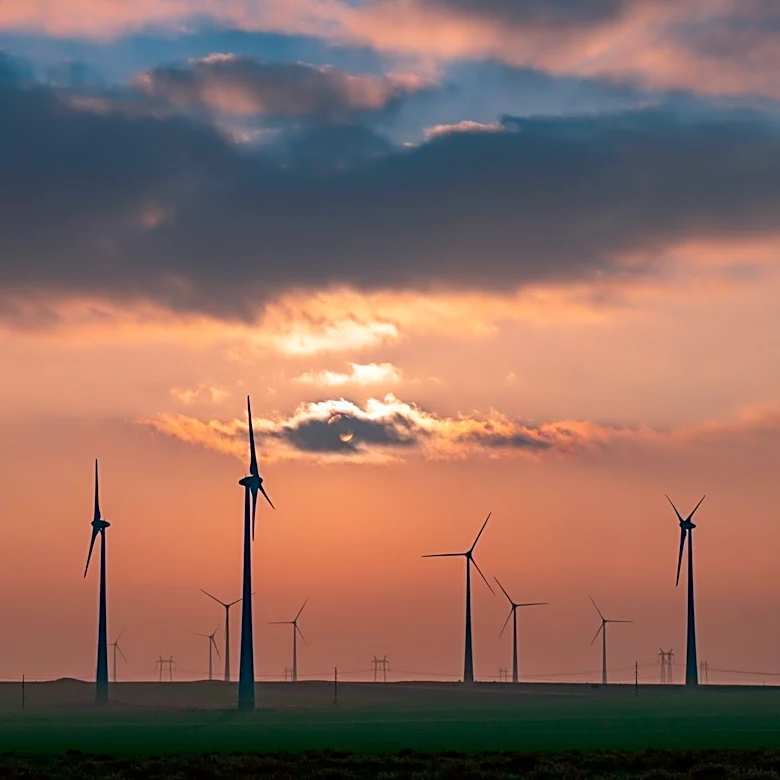
capacity, integrate renewables, and improve resilience against extreme weather. The Edison Electric Institute projects that investor-owned utilities will spend $1.1 trillion between 2025 and 2029 to address these challenges. Despite these investments, aging infrastructure and transmission bottlenecks pose risks to economic growth and electricity stability. The need for new, firm capacity is critical, and solutions include deploying efficient, low-emission generation close to demand centers.
Why It's Important?
The modernization of the U.S. power grid is crucial for maintaining economic competitiveness and quality of life. As demand for electricity grows, the grid must evolve to prevent disruptions and ensure affordability. The transition to a more efficient and sustainable grid could benefit businesses and consumers alike, supporting the broader economic transformation. The success of this transition will impact the future of AI, manufacturing, and energy supply, making it a pivotal factor in the U.S.'s 21st-century infrastructure development.
What's Next?
The ongoing investments in grid modernization are expected to continue, with utilities and companies working to create a more efficient and reliable power system. The focus will be on integrating new technologies and generation methods to meet future energy demands. Stakeholders will need to address challenges such as infrastructure upgrades and regulatory hurdles to ensure a smooth transition.