








What's Happening?
Millennials are increasingly prioritizing unique and luxurious travel experiences, with several destinations gaining popularity for their exclusivity and distinct offerings before the end of 2026. Among these, Amanpulo in the Philippines stands out as a top
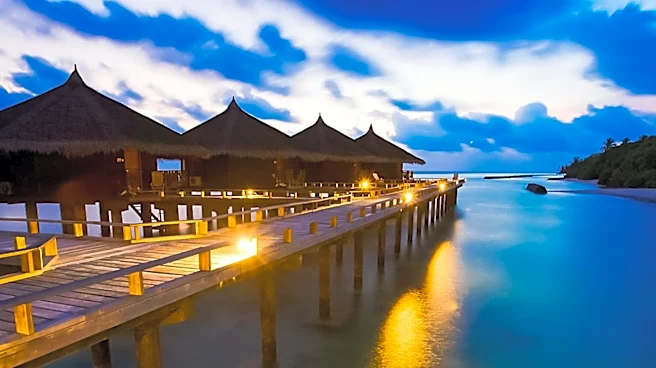
choice for no-expense-spared luxury, situated on a private island in the Sulu Sea and accessible only by private plane. This resort offers unparalleled seclusion with beachfront casitas and exceptional service, catering to both couples and multi-generational families. Another notable destination is Uvita, Costa Rica, which provides a quieter alternative to more crowded areas like Papagayo and Tamarindo. Here, jungle-covered mountains meet the sea, and local life revolves around whale migrations, offering a tranquil escape. Additionally, Renew Retreat in Malibu, California, is highlighted as a wellness-focused option, providing a five-day, four-night experience with guided hikes, sound baths, yoga, and plant-based cuisine in the Santa Monica Mountains.
Why It's Important?
This trend reflects a significant shift in the travel preferences of U.S. millennials, moving towards more intentional, high-value, and often secluded experiences rather than conventional tourist routes. The demand for private islands and wellness retreats indicates a desire for deeper engagement with destinations and a focus on personal well-being and exclusivity. For the U.S. travel industry, this means a growing market for specialized luxury travel agencies and bespoke tour operators. It also signals an opportunity for destinations that can offer unique cultural immersion, natural beauty, and privacy to attract this demographic. The emphasis on 'no-expense-spared' luxury suggests a segment of the millennial population with significant disposable income willing to invest in memorable, high-quality travel, potentially influencing pricing and service standards across the luxury travel sector.
What's Next?
As millennials continue to mature and their purchasing power grows, the demand for such exclusive and tailored travel experiences is likely to increase. Travel providers and destinations will likely adapt by developing more personalized itineraries, enhancing privacy features, and integrating wellness components into their offerings. The success of places like Amanpulo and Renew Retreat could inspire similar ventures in other high-end locations, focusing on sustainability and authentic experiences to appeal to this discerning demographic. Marketing efforts will probably shift to highlight unique aspects, seclusion, and the transformative potential of these trips, moving away from mass tourism appeals. Furthermore, the focus on destinations that offer a blend of luxury and natural beauty may encourage investment in eco-tourism and conservation efforts in these regions.
Beyond the Headlines
The rise of these 'bucket-list' vacations among millennials points to a broader cultural shift towards experiential consumption and a redefinition of luxury. It's not just about opulence, but about access to untouched nature, personalized service, and opportunities for self-improvement and reflection. This trend also highlights a growing awareness of over-tourism, with travelers actively seeking out less crowded alternatives. The high price points associated with these trips raise questions about accessibility and equity in travel, potentially creating a more stratified tourism landscape. Moreover, the emphasis on wellness retreats like Renew Retreat suggests a societal prioritization of mental and physical health, integrating these aspects into leisure activities. This could lead to a long-term impact on how travel is perceived—less as mere escapism and more as a tool for personal growth and rejuvenation.