





What's Happening?
Garden experts have provided guidance on maintaining rose health and ensuring continuous blooming throughout July. Key advice includes deep watering to promote drought tolerance, tying in climbing roses to support growth, and pruning to remove dead or weak
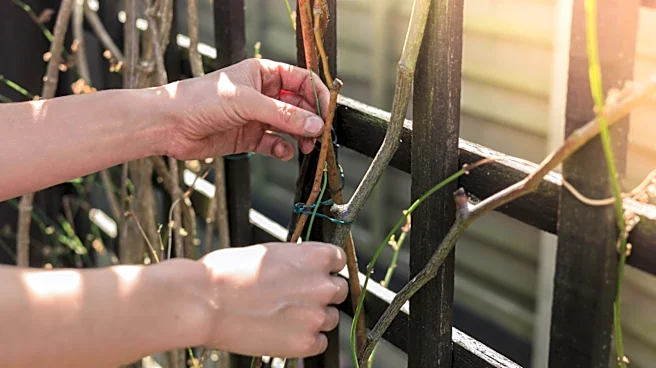
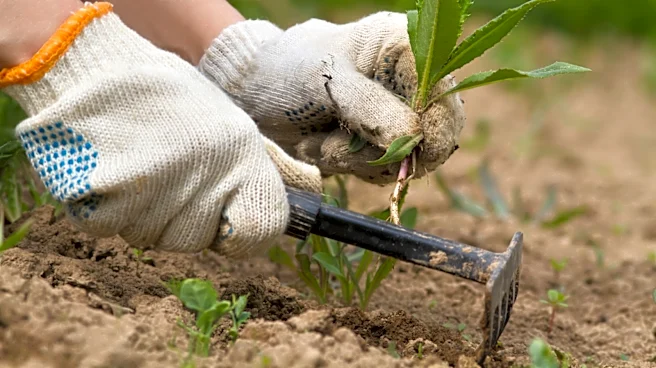
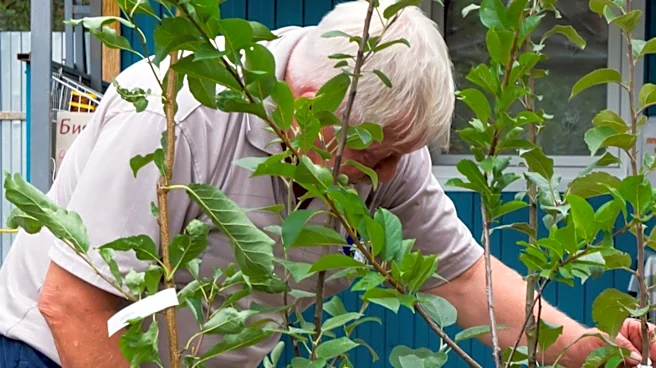
wood. The experts emphasize the importance of deep watering over frequent shallow watering, particularly for in-ground roses and climbers against walls. Additionally, they recommend tying new rose stems to sturdy frameworks to prevent damage and encourage more flowering side shoots. Pruning is advised for spring-flowering roses right after they finish blooming, while repeat-flowering roses should be pruned to remove dead or weak wood. The guidance also includes removing rose suckers correctly to prevent them from overwhelming the grafted rose variety.
Why It's Important?
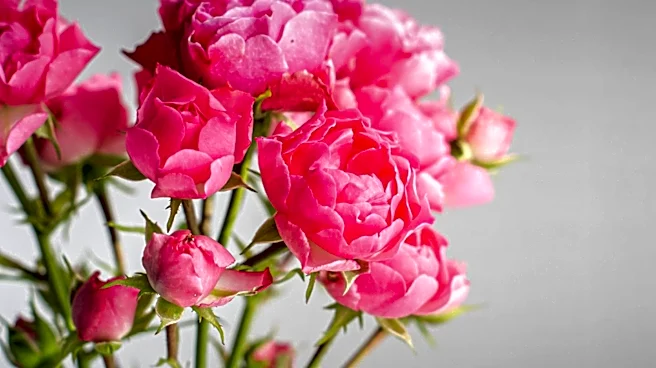
Proper rose care is crucial for maintaining the health and aesthetic appeal of gardens during the summer months. Roses are a popular choice for many gardeners due to their beauty and fragrance, but they require specific care to thrive in the heat and humidity of July. Deep watering helps roses develop deeper roots, making them more resilient to drought conditions. Pruning and tying in climbing roses not only enhance their appearance but also promote healthier growth and more abundant blooms. By following expert advice, gardeners can prevent common issues such as black spot infections and ensure their roses remain a vibrant part of their landscape. This guidance is particularly valuable for those looking to maintain a sustainable and visually appealing garden.
What's Next?
Gardeners are encouraged to continue monitoring their roses for signs of stress and disease, such as black spot infections, and take preventive measures as needed. Regularly checking soil moisture levels and adjusting watering schedules can help maintain optimal plant health. As temperatures rise, gardeners may need to increase watering frequency, especially for container-grown roses. Additionally, ongoing pruning and training of new growth will be necessary to support the roses' development and flowering potential. Gardeners should also consider using organic fungicides to manage infections and promote healthy growth.
Beyond the Headlines
The advice provided by garden experts highlights the importance of sustainable gardening practices. By reducing reliance on chemical sprays and focusing on deep watering techniques, gardeners can contribute to environmental conservation efforts. The emphasis on proper pruning and training of roses also reflects a broader trend towards more mindful and intentional gardening, where aesthetics and plant health are balanced with ecological considerations. This approach not only benefits individual gardens but also supports broader biodiversity and pollinator populations.