


What's Happening?
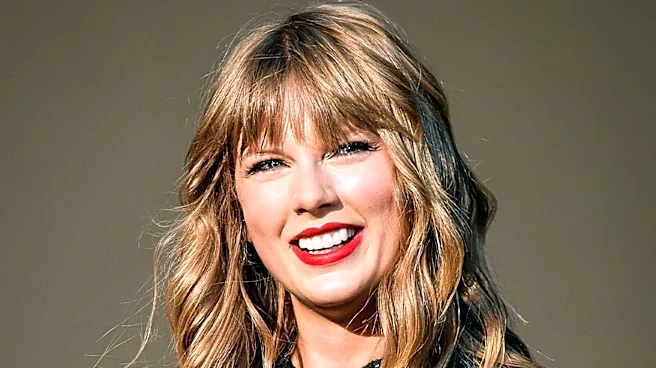
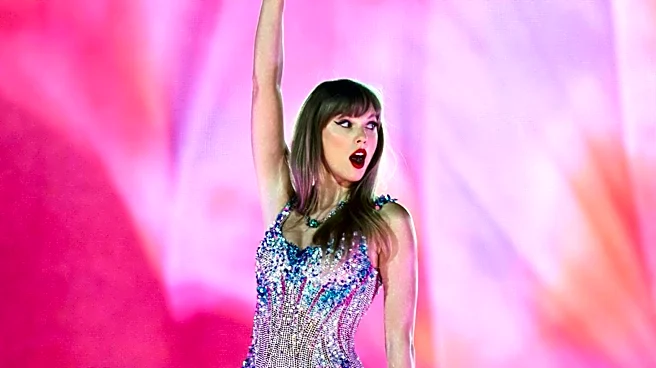
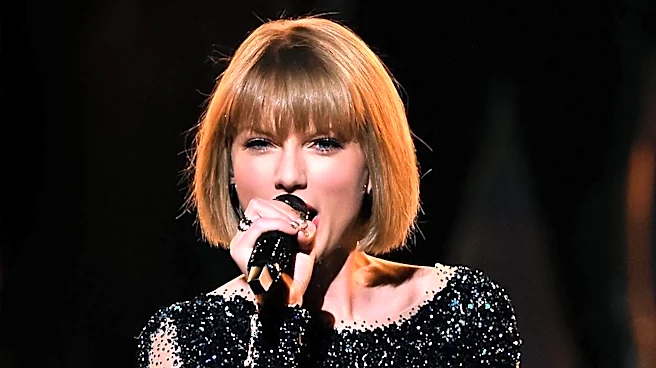
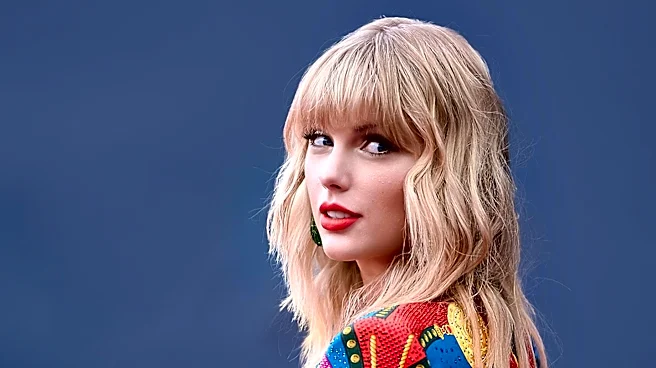
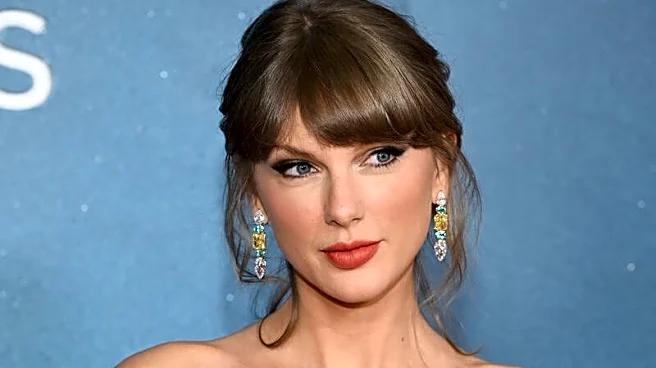
Vanity Fair recently published an article titled 'The Mastermind' about Taylor Swift, which has garnered significant criticism from fans and media outlets alike. The piece, written by May Jeong, refers to Swift as 'The Star' and largely relies on anonymous
sources, including a former music teacher and classmates, to paint a picture of Swift's early life and career. The article suggests Swift was not bullied in middle school as she has claimed, but was instead popular and potentially a bully herself. It also details anecdotes about her owning multiple pairs of Ugg boots and her mother's comment about her weight. Critics, including Piers Morgan and various journalists, have labeled the article a 'hit piece' due to its anonymous nature, the perceived pettiness of its revelations, and its failure to offer substantial new insights into Swift's influence or career. The article's stylistic choices, such as alternating 'A-side' and 'B-side' narratives and hidden messages, have also been called confusing and pretentious.
Why It's Important?
This article is important because it highlights a growing tension in celebrity journalism and public perception of powerful figures like Taylor Swift. The backlash against Vanity Fair's approach underscores a demand for more rigorous, transparent reporting, especially when scrutinizing highly influential individuals. The criticism suggests that relying heavily on anonymous sources and focusing on decades-old, seemingly minor details can undermine a publication's credibility rather than provide meaningful critique. For Swift, who commands immense public attention and economic power, the article's reception demonstrates the strength of her fanbase and the difficulty in presenting a critical narrative without substantial, verifiable evidence. It also raises questions about the ethics of using childhood anecdotes to frame an adult's public persona, particularly when those anecdotes are disputed and presented anonymously. The incident reflects a broader media landscape where traditional journalistic methods are scrutinized, and the public expects accountability and depth in celebrity profiles.
What's Next?
In the immediate aftermath, it is unlikely that Taylor Swift will directly address the article, as a 'source close to the singer' has already indicated she is not bothered by it. However, the controversy may prompt further discussions within media circles about journalistic standards for celebrity profiles, particularly regarding source anonymity and the relevance of historical anecdotes. Vanity Fair may face internal or external pressure to clarify its editorial decisions or defend the article's methodology. For Swift's public image, the incident could reinforce her narrative of being unfairly targeted by the media, potentially strengthening her bond with her fanbase. Future celebrity profiles, especially those attempting to critically examine powerful figures, might be more cautious in their approach to sourcing and the nature of their revelations, aiming for more impactful and current insights rather than rehashing past events with anonymous claims.
Beyond the Headlines
The Vanity Fair article and its subsequent criticism delve into deeper implications concerning the nature of celebrity, media scrutiny, and public trust. The piece attempts to deconstruct Swift's carefully curated image, but by doing so with what many perceive as weak evidence and anonymous grievances, it inadvertently highlights the challenges of holding powerful celebrities accountable. It raises questions about whether any critique of a figure as popular as Swift can be perceived as objective, or if it will always be framed as a 'hit piece' by her devoted fanbase. Furthermore, the article's focus on Swift's middle school years and her alleged past behavior touches on the broader societal tendency to scrutinize public figures' entire lives, often without considering personal growth or the context of their youth. This incident could contribute to a re-evaluation of what constitutes legitimate journalistic inquiry into celebrity lives versus what is perceived as trivial or vindictive reporting, ultimately influencing how media outlets approach such high-profile subjects in the future.