




What's Happening?
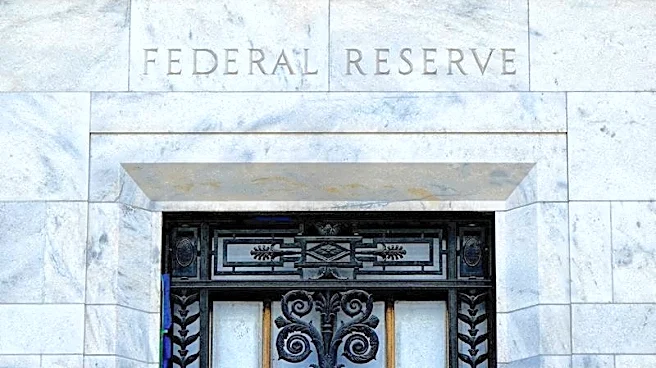
The U.S. economy experienced a slowdown in the second quarter, expanding at a rate of 1.5%, which is lower than expected. This development comes as the Federal Reserve decided to keep interest rates unchanged, despite some members advocating for an increase.
The slowdown is attributed to the ongoing conflict in Iran, which has disrupted oil supplies and global trade, leading to higher gasoline prices and interest rates. Despite these challenges, consumer spending in the U.S. remains strong, particularly in durable goods, although much of this spending has been on imports or from existing inventories, not contributing to domestic production.
Why It's Important?
The slowdown in economic growth highlights the impact of international conflicts on the U.S. economy, particularly through increased energy prices and inflation. While consumer spending remains robust, the reliance on imports and inventory spending suggests potential vulnerabilities in domestic production. The Federal Reserve's decision to maintain interest rates reflects a cautious approach amid these uncertainties. The situation underscores the delicate balance policymakers must maintain between fostering economic growth and controlling inflation, especially as consumers face rising costs in essential areas like housing and fuel.
What's Next?
Looking ahead, the U.S. economy may face further challenges if energy prices remain high and interest rates continue to pressure consumers. The Federal Reserve's future decisions on interest rates will be closely watched, as they will significantly influence economic stability and consumer confidence. Additionally, the ongoing geopolitical tensions could lead to further disruptions in global trade, potentially exacerbating economic challenges. Policymakers and businesses will need to navigate these complexities to sustain economic growth and address inflationary pressures.
Beyond the Headlines
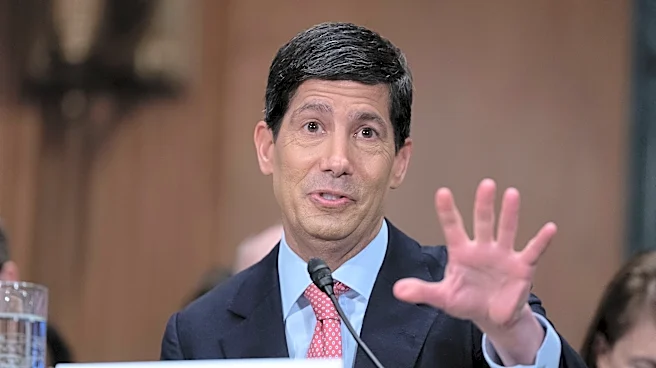
The current economic situation reveals deeper issues, such as the disparity between affluent consumers benefiting from stock market gains and the average American struggling with rising costs. This disparity could lead to increased economic inequality and social tensions if not addressed. Furthermore, the Federal Reserve's communication strategy under its new chair, Kevin Warsh, may impact market perceptions and investor confidence, as stakeholders seek clarity on the Fed's approach to managing inflation and interest rates.