



What's Happening?
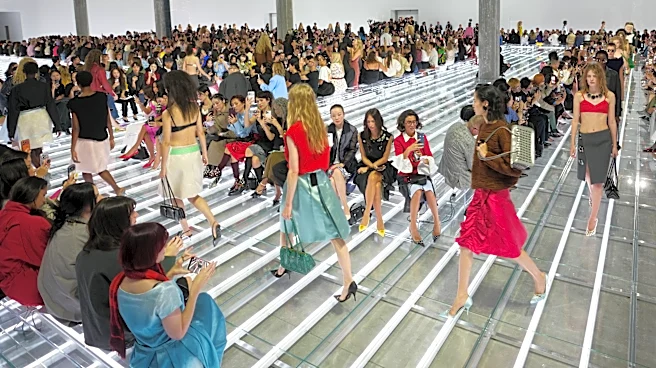
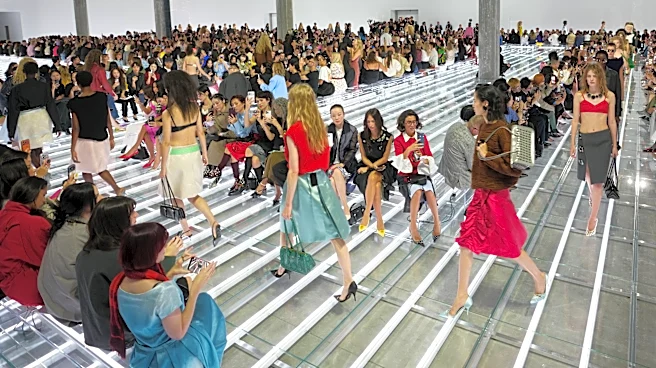
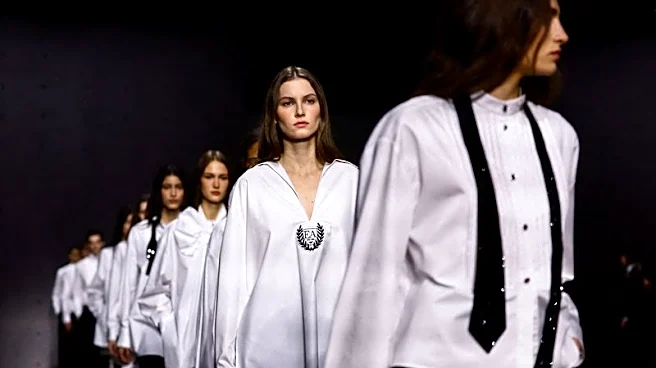
Vogue World Milan, an event intended to celebrate Italian craftsmanship and innovation, featured humanoid robots on its runway, leading to widespread confusion and negative reactions from both attendees and online viewers. The event, held in Milan's Galleria
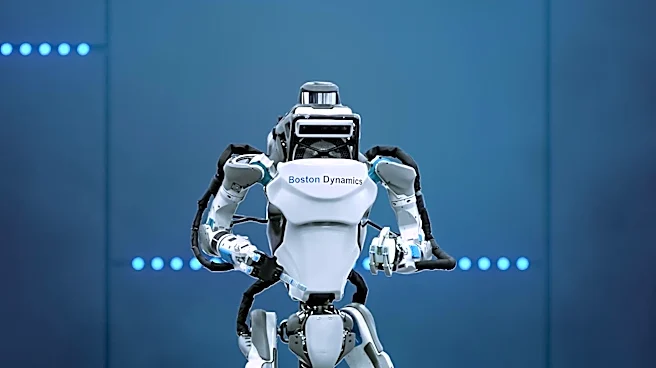
Vittorio Emanuele, served as a kick-off to Milan Fashion Week. While Vogue had promised 'high-caliber surprise guests' and featured celebrities like Cardi B and Matthew McConaughey, it was the robots, performing a choreographed routine to Gigi D’Agostino’s 'L’Amour Toujours,' that garnered the most attention and criticism. Fashion industry figures, including Miuccia Prada, Donatella Versace, and Balenciaga creative director Pierpaolo Piccioli, appeared visibly irritated by the spectacle. Online comments ranged from 'This is so terrible!' to 'Embarrassing!' and 'What the hell?!', with many viewers expressing a desire for the segment to be removed.
Why It's Important?
The integration of humanoid robots into a high-profile fashion event like Vogue World Milan highlights the growing tension and debate surrounding artificial intelligence and automation within creative industries. The fashion industry, like many others, is grappling with the potential impact of AI on human creativity and employment. The negative reception to the robot segment suggests a significant disconnect between technological advancements and audience expectations in a creative context. The appearance of tech companies like OpenAI and Meta as sponsors further underscores their ambition to gain cultural capital within the fashion world. However, the backlash indicates that such attempts, when perceived as forced or incongruous, can backfire, potentially damaging the brands' reputations and alienating the very audiences they aim to impress. This event serves as a case study in the challenges of integrating advanced technology into traditional artistic and cultural domains.
What's Next?
The strong negative reaction to the robot segment at Vogue World Milan may prompt a reevaluation of how AI and robotics are integrated into future fashion events and creative presentations. Event organizers and tech sponsors might need to consider more nuanced and contextually appropriate ways to showcase technological innovation without overshadowing the human element of fashion and design. There could be increased discussions within the fashion industry about the role of AI, leading to clearer guidelines or ethical considerations for its use. Furthermore, this incident could fuel broader conversations about the future of work in creative fields and the balance between technological progress and human artistry. Brands and event planners will likely analyze this feedback to avoid similar missteps, potentially leading to more collaborative and less jarring integrations of technology in the future.
Beyond the Headlines
This incident at Vogue World Milan touches upon deeper societal anxieties regarding the encroachment of artificial intelligence into human-centric domains. The fashion industry, often seen as a bastion of human creativity and expression, provides a stark contrast when confronted with robotic performers. The audience's discomfort and the industry leaders' visible irritation reflect a broader concern about the authenticity and soul of artistic endeavors in an increasingly automated world. It raises questions about what constitutes 'art' and 'performance' when executed by machines, and whether technology can truly replicate or enhance human creativity without diminishing its inherent value. The event also highlights the ongoing struggle for tech companies to seamlessly integrate into cultural spheres, suggesting that cultural acceptance requires more than just sponsorship; it demands a genuine understanding and respect for the traditions and values of the domain they seek to enter.