


What's Happening?
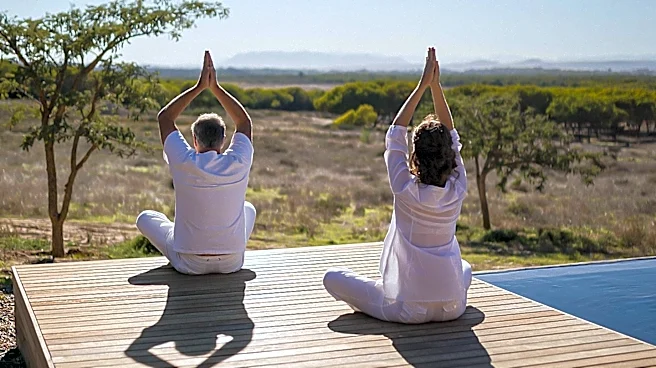
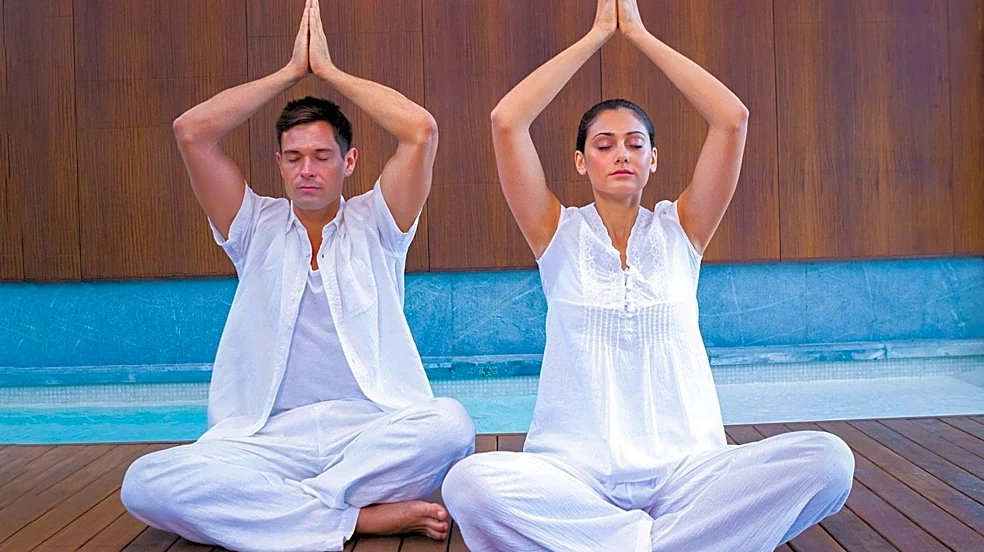
The wellness travel industry is experiencing a significant shift towards communal experiences and biohacking, moving beyond traditional solo spa treatments. Hotels are now offering group activities such as aerial yoga and sound bath classes, alongside
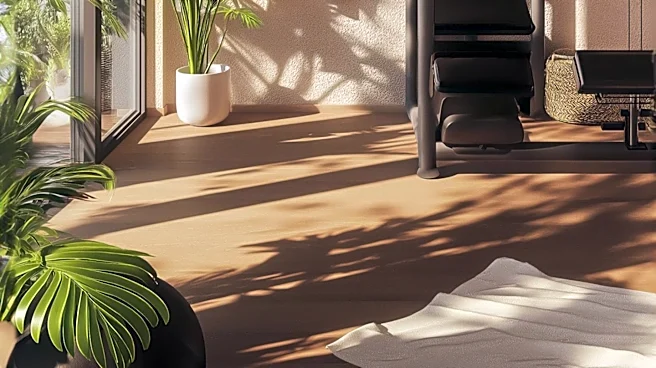
expansive pool areas designed for social interaction. For instance, Janu Tokyo, an offshoot of Aman, provides these group wellness options. Additionally, establishments like Six Senses London have opened wellness clubs that allow both local members and hotel guests to engage in activities like steaming, saunas, and biohacking in a shared environment. This trend highlights a growing demand for social interaction within wellness pursuits, integrating advanced health optimization practices into travel experiences. The focus is on creating spaces where individuals can pursue health and well-being in a collective setting, fostering a sense of community among wellness-minded travelers.
Why It's Important?
This evolution in wellness travel is important because it reflects a broader societal trend towards holistic health and community engagement. For the U.S. travel and hospitality industries, this means a need to adapt offerings to cater to this demand for social wellness and biohacking facilities. Hotels and resorts that integrate communal wellness spaces and advanced biohacking technologies are likely to attract a growing segment of travelers. This shift could lead to increased investment in specialized wellness infrastructure and programming, creating new revenue streams and job opportunities within the sector. Furthermore, it signifies a change in consumer values, where travelers prioritize experiences that combine health optimization with social connection, potentially influencing destination marketing strategies and the development of new wellness-focused travel packages across the U.S.
What's Next?
Looking ahead, the U.S. travel industry is expected to see an expansion of hotels and resorts incorporating dedicated wellness clubs and biohacking facilities. This will likely include more group-oriented wellness classes, advanced health technologies, and communal spaces designed for relaxation and social interaction. We may also see an increase in specialized wellness retreats and events that focus on biohacking and social well-being. Travel agencies and tour operators will likely develop new itineraries that highlight these communal wellness experiences, catering to a demographic that seeks both health optimization and social connection during their travels. The success of these offerings will depend on their ability to provide authentic and engaging experiences that resonate with the evolving preferences of wellness travelers.
Beyond the Headlines
The rise of communal wellness and biohacking in travel points to deeper cultural shifts regarding health and personal optimization. It suggests a move away from purely individualistic health pursuits towards a more collective approach, where well-being is enhanced through shared experiences and community support. Ethically, this trend raises questions about accessibility and equity, as advanced biohacking technologies and luxury wellness experiences may remain exclusive to certain socioeconomic groups. Culturally, it could normalize and integrate biohacking practices into mainstream lifestyle choices, potentially influencing public perceptions of health, technology, and the pursuit of longevity. This development also highlights the increasing convergence of technology, health, and leisure, shaping a future where travel is not just about relaxation but also about active self-improvement and social connection.