





What's Happening?
Mobility training is gaining recognition as a crucial component of overall physical health, focusing on exercises that improve flexibility and the controlled movement of joints. This type of training incorporates a variety of stretches and exercises designed
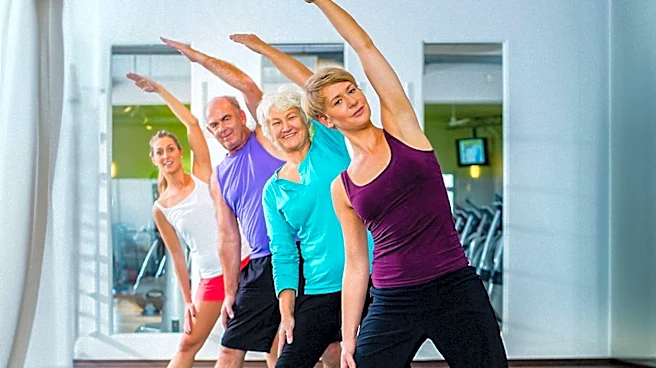
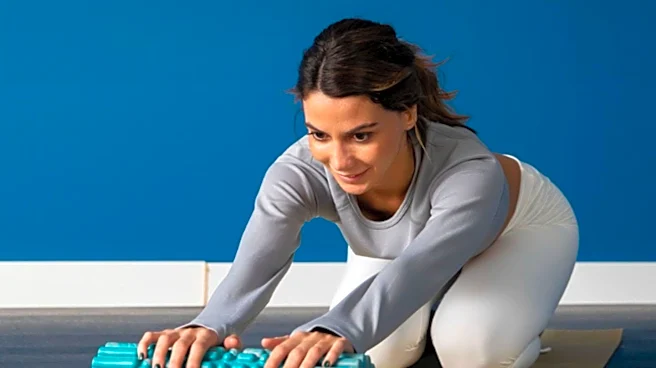
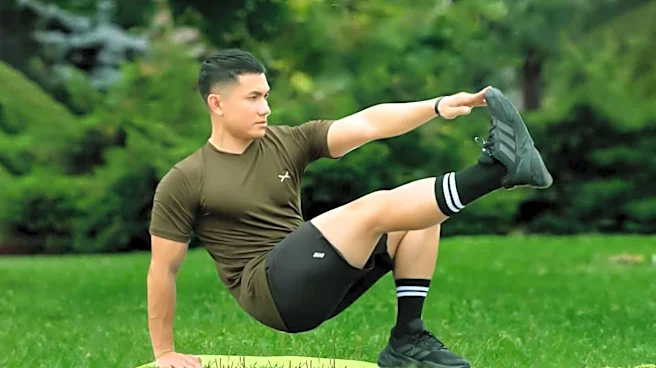
to increase range of motion and maintain joint health. Examples of common mobility exercises include standing hamstring stretches, calf stretches, chest stretches, gentle shoulder stretches, hip flexor stretches, chair sit-to-stands, gentle hip circles, ankle circles, controlled shoulder movements, standing marches, and supported step-ups. The goal is to move joints through their full range of motion with control, which differs from flexibility that primarily focuses on muscle lengthening. Programs in various locations, such as Stow, Ohio, are offering classes specifically dedicated to improving joint health, increasing flexibility, and enhancing overall movement through dynamic stretching and functional mobility techniques. Additionally, specialized routines, like a 10-minute ankle mobility routine for beginners, highlight specific areas of focus within mobility training, including ankle circles, knee-to-wall ankle rocks, and calf stretches.
Why It's Important?
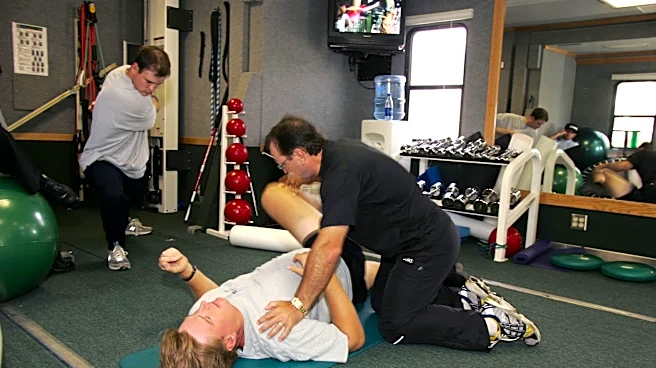
The emphasis on mobility training is significant because it directly impacts an individual's ability to perform daily activities with ease and without pain, especially as they age. Maintaining good mobility can prevent injuries, reduce stiffness, and improve overall quality of life by enabling comfortable movement. For athletes, mobility training is essential for optimizing performance, restoring range of motion, strengthening weak links in the kinetic chain, and enhancing coordination for activities like throwing, kicking, and striking. Beyond athletic performance, improved mobility contributes to better balance and stability, which are critical for preventing falls in older adults. By integrating mobility exercises, individuals can ensure their bodies function as a cohesive system, supporting strength and control in various movements. This focus on joint health and functional movement is a proactive approach to physical well-being, promoting independence and an active lifestyle across all age groups.
What's Next?
As awareness of mobility training grows, it is anticipated that more fitness programs and healthcare providers will integrate these exercises into their offerings. We may see an increase in specialized classes and workshops focusing on specific joint mobility, such as hip or ankle mobility, catering to diverse needs from general wellness to athletic recovery. The development of accessible routines, like those for beginners or those that can be performed without special equipment, will likely continue to expand, making mobility training more widespread. Furthermore, there could be a greater emphasis on personalized mobility assessments and tailored exercise plans, especially within physical therapy and sports medicine, to address individual limitations and goals. The integration of mobility training into broader health and wellness initiatives could also lead to its inclusion in corporate wellness programs and community health outreach, promoting its benefits to a wider population.
Beyond the Headlines
The rising prominence of mobility training reflects a broader shift in understanding physical health, moving beyond just strength and cardiovascular fitness to a more holistic view of bodily function. This trend highlights the interconnectedness of muscles, joints, and fascia, emphasizing that the body operates as a single system. Ethically, promoting mobility training can contribute to a more inclusive approach to fitness, as it benefits individuals of all ages and physical conditions, including those with limited mobility or chronic pain. Legally, as the understanding of injury prevention through mobility improves, there might be implications for sports organizations and workplaces in terms of recommended training protocols and safety guidelines. Culturally, this focus on functional movement encourages a more mindful relationship with one's body, fostering a proactive rather than reactive approach to physical well-being, and potentially shifting societal norms around aging and physical capability.