







What's Happening?
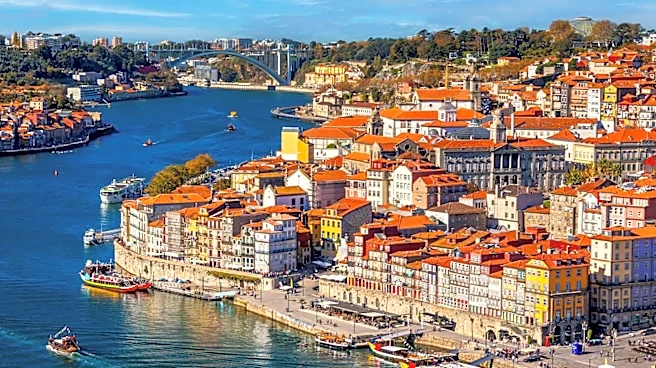
Porto, Portugal's second-largest city, is gaining significant recognition as a top international travel destination. Known for its colorful buildings, cobblestone streets, historic architecture, and famous port wine cellars, Porto offers a diverse range
of experiences. Beyond its picturesque scenery, the city serves as a gateway to a region rich in mountains, vineyards, charming villages, and luxury hotels. The historic center of Porto, including the Ribeira district along the Douro River, is particularly noted for its narrow streets and centuries-old architecture. The Dom Luís I Bridge is another iconic landmark. The broader Northern Portugal region also boasts several UNESCO-recognized landmarks, providing deep insights into the country's history and culture. Guimarães, often called the birthplace of Portugal, features a well-preserved medieval center.
Why It's Important?
The increasing popularity of Porto and Northern Portugal as a travel destination signifies a growing interest in European cultural and historical tourism. This trend benefits the local economy through increased tourism revenue, supporting hospitality, food and wine industries, and various local businesses. The region's appeal to diverse travelers, from luxury seekers to adventure enthusiasts and history buffs, broadens its market reach. The emphasis on unique experiences, such as wine tourism in the Douro Valley—one of the oldest regulated wine regions in the world—and active adventures like the 516 Arouca suspension bridge, positions Portugal as a versatile and attractive option for international visitors. This sustained interest can lead to further investment in infrastructure and tourism development, creating more jobs and opportunities for residents.
What's Next?
The continued promotion of Porto and Northern Portugal by travel advisors and the tourism industry is expected to further solidify its status as a leading destination. Efforts to highlight the region's diverse offerings, including luxury accommodations, gastronomy, wine tourism, UNESCO heritage sites, and outdoor activities, will likely attract a broader demographic of travelers. The accessibility of Porto with nonstop flights from major North American cities like Montreal and Toronto positions it as an appealing gateway for Canadian and potentially U.S. travelers. Future developments may include enhanced tour packages that combine various aspects of the region, catering to specific interests such as family travel, romantic getaways, or adventure trips, ensuring sustained growth in tourism.
Beyond the Headlines
The rise of Porto as a premier destination reflects a broader shift in travel preferences towards authentic, culturally immersive, and experience-rich journeys. Travelers are increasingly seeking destinations that offer a blend of history, natural beauty, and unique local flavors, moving beyond conventional tourist hotspots. This trend also underscores the importance of sustainable tourism practices, as local communities and heritage sites must be preserved amidst growing visitor numbers. The recognition of regions like the Douro Valley as UNESCO World Heritage sites highlights the global value placed on cultural landscapes and their protection. Furthermore, the focus on diverse activities, from culinary workshops to e-bike excursions, indicates a demand for personalized and engaging travel experiences that cater to individual interests and activity levels.