




What's Happening?
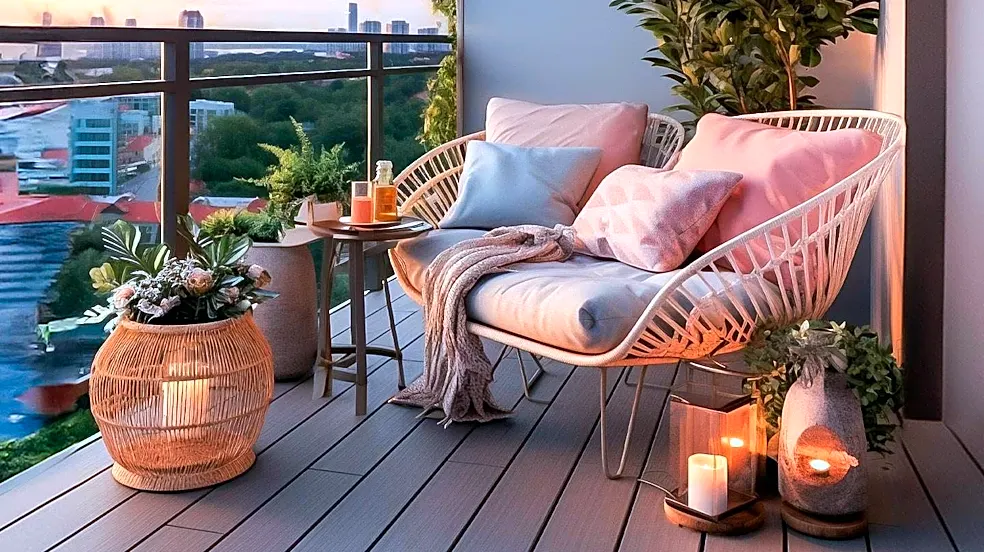
Home decor experts are providing practical advice and visual tricks to make small balconies appear larger and more functional. The core development revolves around changing how the eye perceives the space rather than altering its physical dimensions.
Key strategies include angling furniture diagonally, maintaining a clear central walkway, adopting a unified light color palette, utilizing vertical space for greenery, and layering warm lighting from multiple heights. These techniques aim to counteract common issues like visual clutter, mismatched decor, and furniture placement that can make small balconies feel cramped. The approach emphasizes renter-friendly solutions that do not require drilling or structural changes, making them accessible to a wider audience. The advice covers various aspects, from furniture selection and plant placement to lighting and flooring choices, all designed to create an illusion of spaciousness.
Why It's Important?
This guidance is important for urban dwellers and apartment residents who often have limited outdoor space. Small balconies, while offering a connection to the outdoors, can feel restrictive if not designed effectively. By providing actionable and budget-friendly tips, experts are empowering individuals to transform these compact areas into enjoyable extensions of their living spaces. The emphasis on visual tricks and renter-friendly options means that a significant portion of the population can benefit without incurring substantial costs or needing landlord approval. This trend reflects a growing desire for functional and aesthetically pleasing outdoor areas, even in constrained environments. The ability to enhance small balconies can improve quality of life, offer a sense of escape, and potentially increase the appeal of rental properties or smaller homes.
What's Next?
As more individuals seek to optimize their living environments, the demand for creative small-space solutions, particularly for outdoor areas, is likely to grow. We can expect to see continued innovation in compact outdoor furniture, multi-functional decor, and smart lighting solutions tailored for small balconies. Online platforms and home improvement resources will likely expand their offerings of visual guides, DIY tutorials, and product recommendations that align with these principles. Additionally, the integration of technology, such as AI-powered design tools, could become more prevalent, allowing users to visualize balcony makeovers before implementing them. The focus will remain on maximizing utility and aesthetic appeal without requiring permanent alterations, catering to the transient nature of many urban living situations.
Beyond the Headlines
Beyond the immediate aesthetic and functional improvements, the emphasis on optimizing small outdoor spaces reflects broader societal shifts towards mindful living and making the most of available resources. In increasingly dense urban environments, even a small balcony can serve as a crucial connection to nature and a personal sanctuary. The psychological benefits of having an inviting outdoor space, however small, are significant, contributing to well-being and stress reduction. This trend also highlights a move away from consumerism focused on acquiring larger spaces, towards a more sustainable approach of enhancing existing ones. It encourages creativity and resourcefulness in design, fostering a sense of ownership and personalization even in rented properties. The ethical implication lies in promoting accessibility to pleasant outdoor environments, regardless of the size of one's dwelling.