



What's Happening?
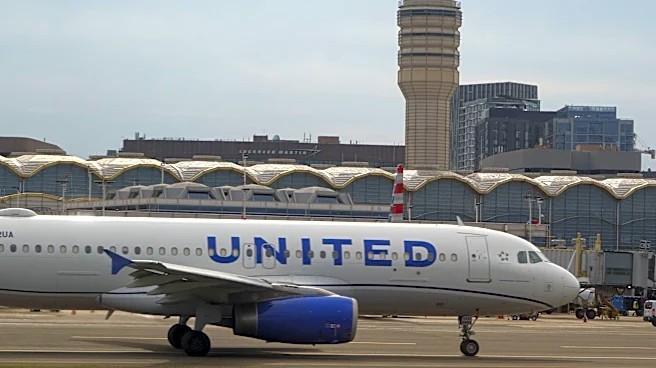
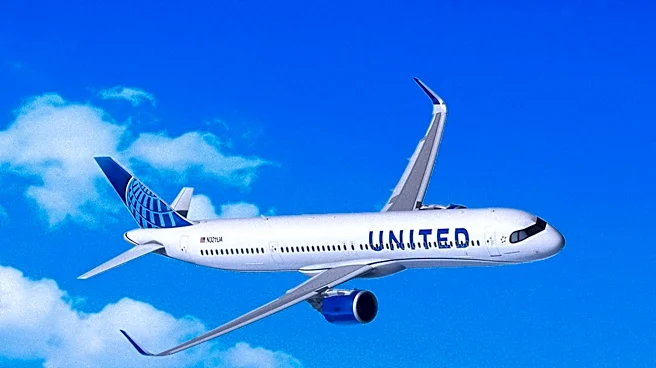
United Airlines has significantly expanded the availability of Starlink internet on its flights, with the service now accessible on over half of its daily operations. The airline anticipates this figure will reach approximately 64% by the end of 2026,
with a goal of fleet-wide installation by the end of 2027. This rapid rollout positions United with a competitive advantage in inflight connectivity, as Starlink is noted for its superior speed and reliability compared to other systems. While United currently does not consistently display Starlink availability during the booking process, the airline's regional jet fleet, particularly Bombardier CRJ-550s and Embraer E175s, and mainline aircraft like the Airbus A321neo, offer the highest chances of having Starlink.
Why It's Important?
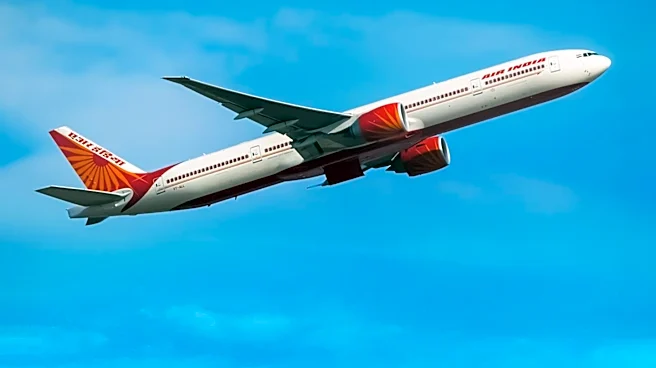
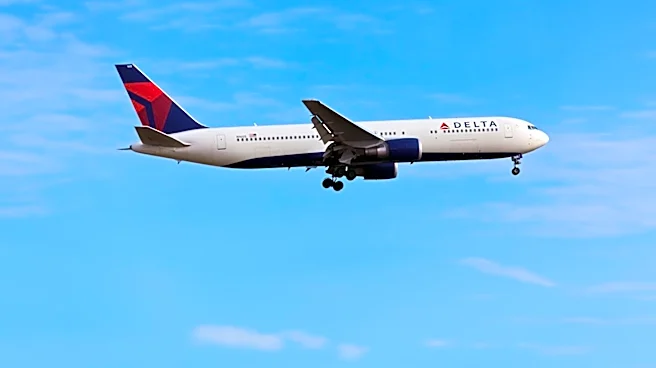
The widespread adoption of Starlink by United Airlines is a significant development for U.S. air travelers and the airline industry. High-quality inflight internet has become a crucial factor for many passengers, especially business travelers, influencing their choice of airline. United's lead in deploying Starlink could attract customers from competitors, as the ability to work productively or stream content seamlessly during flights offers a tangible benefit. This technological advantage could translate into increased market share and customer loyalty for United. Conversely, airlines like Delta, which plans to install Amazon Leo internet starting in 2028, face the challenge of catching up, potentially losing customers who prioritize superior connectivity in the interim. The shift towards advanced inflight Wi-Fi also highlights a broader industry trend where airlines are increasingly competing on ancillary services and passenger experience.
What's Next?
United Airlines is expected to continue its aggressive rollout of Starlink, aiming for fleet-wide installation by the end of 2027. The airline may also consider integrating Starlink availability into its booking system to allow passengers to choose flights based on connectivity options, further enhancing its competitive edge. As United expands Starlink, other airlines will likely accelerate their own inflight internet upgrades to remain competitive. Delta's planned deployment of Amazon Leo in 2028 will be a key development to watch, as it will introduce another major player into the high-speed inflight internet market. The ongoing competition in this space is likely to drive innovation and improve the overall inflight experience for passengers across U.S. carriers.
Beyond the Headlines
United's investment in Starlink goes beyond merely offering Wi-Fi; it represents a strategic move to redefine the inflight experience and potentially shift passenger behavior. By providing internet that rivals ground-based connections, United is enabling a new level of productivity and entertainment during flights, which could fundamentally alter how people perceive and utilize travel time. This could lead to a 'productivity premium' where travelers are willing to pay more or choose specific airlines for reliable connectivity. The competitive pressure on other airlines to match or exceed this offering will likely accelerate technological advancements in inflight systems. Furthermore, the reliance on satellite internet providers like Starlink and Amazon Leo highlights the growing intersection of aerospace technology and commercial aviation, creating new dependencies and opportunities for both sectors.