






What's Happening?
The demand for luxury handbags in the U.S. market has seen a significant decline, primarily due to substantial price increases and persistent inflation. According to global consulting firm Bain & Company, luxury handbag prices have surged by 50 to 70
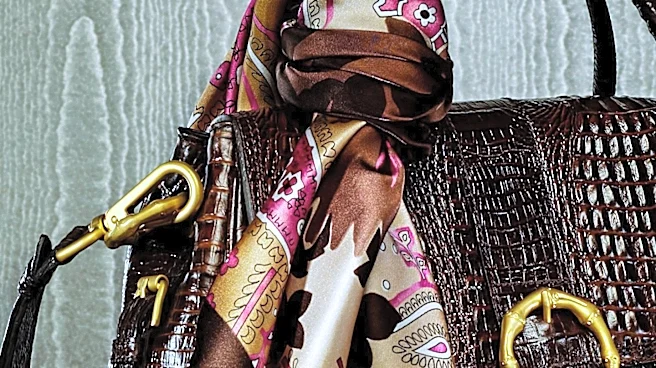
percent since 2019, with high-end bags from brands like Louis Vuitton, Chanel, and Dior now exceeding $7,470. This price escalation, coupled with prolonged inflation, has eroded the purchasing power of middle-class consumers who previously constituted a considerable portion of luxury handbag buyers. Additionally, weak consumer spending in China, a key driver of luxury industry growth over the past decade, has further impacted the sector. In contrast, the luxury jewelry market is experiencing robust growth, with McKinsey & Company forecasting an annual average sales volume increase of 4.1 percent through 2028. Consumers are increasingly opting for jewelry made with precious materials, viewing them as assets, especially when prices are comparable to luxury handbags. The broader price range available in jewelry, from ultra-high-end to more accessible options, also provides consumers with greater flexibility. This shift is also attributed to changing consumer patterns, with millennials and Gen Z favoring products that offer better value and express individuality.
Why It's Important?
This shift in luxury consumer spending has significant implications for the U.S. retail landscape and the broader economy. The weakening demand for luxury handbags signals a potential recalibration of consumer priorities, moving away from highly visible, expensive fashion items towards more enduring and perceived-value assets like jewelry. This trend could lead to a restructuring of inventory and marketing strategies for luxury retailers, with a greater emphasis on fine jewelry and watches. For consumers, it reflects a growing financial prudence in the face of economic pressures, where discretionary spending is being reallocated to items considered more investment-worthy or offering better long-term value. The decline in handbag sales could impact the revenue and profitability of major luxury conglomerates, as evidenced by LVMH's reported revenue and operating profit drops in its fashion and leather goods division. Conversely, companies like Richemont, which owns prominent jewelry brands, are experiencing significant growth, indicating a clear winner in this evolving market dynamic. This trend also highlights the increasing influence of younger generations, who prioritize individuality and value over brand ostentation, potentially reshaping the future of luxury consumption.
What's Next?
Luxury brands and retailers in the U.S. are likely to continue adapting their strategies to align with these evolving consumer preferences. This may involve increasing investment in their jewelry and watch divisions, expanding product offerings in these categories, and potentially re-evaluating pricing strategies for handbags to regain market share. Department stores, which have already begun expanding their luxury jewelry sections and introducing new brands, will likely intensify these efforts. Marketing campaigns may shift to emphasize the investment value and personal expression aspects of luxury goods, particularly for jewelry. Furthermore, the industry may see a continued focus on catering to the preferences of millennials and Gen Z, who are seeking value and individuality. This could lead to more personalized offerings, sustainable practices, and a greater emphasis on craftsmanship and material quality across all luxury segments. Brands might also explore innovative ways to make luxury handbags more appealing, perhaps by offering more versatile or customizable options, or by highlighting their longevity and timeless appeal as an alternative to their perceived asset value.
Beyond the Headlines
The decline in luxury handbag sales and the rise of jewelry purchases in the U.S. point to deeper societal and economic shifts. This trend could signify a move away from conspicuous consumption, where status was primarily displayed through easily recognizable designer bags, towards a more subtle and personal form of luxury. The emphasis on 'asset value' in jewelry suggests a heightened awareness of financial stability and long-term investment, even within discretionary spending. This could be a lasting impact of prolonged economic uncertainty and inflation, prompting consumers to seek tangible value in their luxury purchases. Culturally, it might reflect a growing desire for authenticity and individuality, where unique or personally significant pieces of jewelry are preferred over mass-produced, albeit high-end, fashion accessories. This shift could also challenge the traditional marketing narratives of luxury brands, pushing them to articulate value beyond brand prestige and towards intrinsic quality, craftsmanship, and emotional connection. The increasing influence of online communities and social media in shaping consumer choices, particularly among younger demographics, will also continue to play a crucial role in how luxury trends evolve, potentially favoring transparency and genuine value over mere brand hype.