





What's Happening?
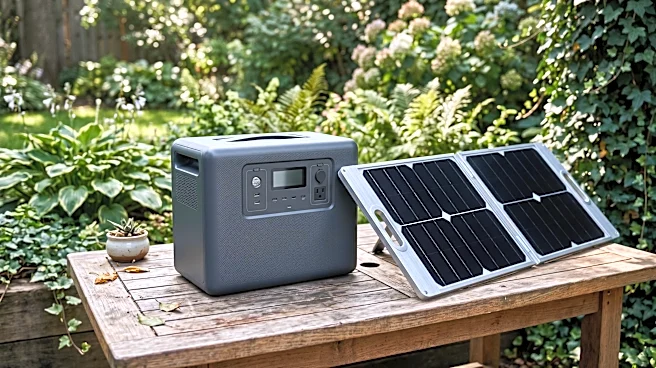
Portable solar generators are emerging as an ideal power solution for outdoor music studios, backyard sheds, and mobile recording setups. These generators provide clean, pure sine wave electricity with minimal noise, eliminating the need for expensive
electrical trenching and noisy fuel generators. By combining a high-capacity lithium power station with folding solar panels, musicians can power essential equipment such as laptops, audio interfaces, studio monitors, amplifiers, and lighting in various outdoor locations. This setup allows for the capture of free sunlight between recording sessions, while also removing engine noise and exhaust fumes that can interfere with audio quality. Modern solar generators utilize pure sine wave inverters to prevent electrical hum in sensitive audio equipment, operating at under 30dB, which is quieter than a whisper. This technology ensures steady, isolated voltage without grid interference, resulting in crystal-clear audio recordings. The flexibility offered by solar generators allows studios to be set up in diverse environments, from backyard gardens to remote natural settings, without reliance on long extension cords or permanent electrical installations.
Why It's Important?
The adoption of solar generators in music production signifies a significant shift towards more sustainable and flexible creative environments. For independent artists and home studio owners, this technology offers a cost-effective alternative to traditional electrical installations, which can range from $1,500 to $4,000+ for permits and wiring. The elimination of ground loops and 'dirty' grid power, common issues with standard household wiring, directly improves audio quality by preventing persistent hum and interference from household appliances. This is crucial for professional-grade recordings, where pristine sound is paramount. Furthermore, the portability of these systems empowers musicians to explore new creative spaces, fostering innovation in recording and performance. The quiet operation of solar generators also addresses a critical need in audio recording, where ambient noise can compromise vocal and acoustic instrument tracks. This development supports a growing trend of artists seeking to integrate their creative work with natural environments, enhancing both the artistic process and the final product.
What's Next?
As solar technology continues to advance, the efficiency and capacity of portable solar generators are expected to improve, making them even more accessible and powerful for musicians. Future developments may include lighter, more compact designs, faster charging capabilities, and increased compatibility with a wider range of professional audio equipment. The growing demand for sustainable and off-grid solutions could also drive down costs, making these systems more affordable for a broader spectrum of artists. We may see more music festivals and outdoor events adopting solar power for their stages and production needs, further normalizing its use in the industry. Additionally, educational initiatives and workshops focused on integrating solar power into music production could emerge, helping artists and engineers maximize the benefits of this technology. The trend towards mobile and environmentally conscious production is likely to accelerate, with solar generators playing a central role in shaping the future of music creation.
Beyond the Headlines
The shift towards solar-powered music studios extends beyond mere convenience and cost savings; it represents a broader cultural movement towards environmental consciousness and self-sufficiency within the arts. By reducing reliance on fossil fuels and traditional power grids, musicians are contributing to a more sustainable future, aligning their creative practices with ecological values. This also fosters a sense of independence, allowing artists to create without the limitations of conventional infrastructure. The ability to record in remote or unconventional locations can inspire new forms of musical expression and collaboration, breaking down geographical barriers and fostering a more diverse soundscape. Ethically, this move promotes responsible consumption and production, setting an example for other industries. Legally, the plug-and-play nature of these generators bypasses complex permitting processes often associated with permanent electrical installations, simplifying the setup for creative spaces. This technological evolution is not just about powering equipment; it's about empowering artists to create more freely, sustainably, and innovatively.