







What's Happening?
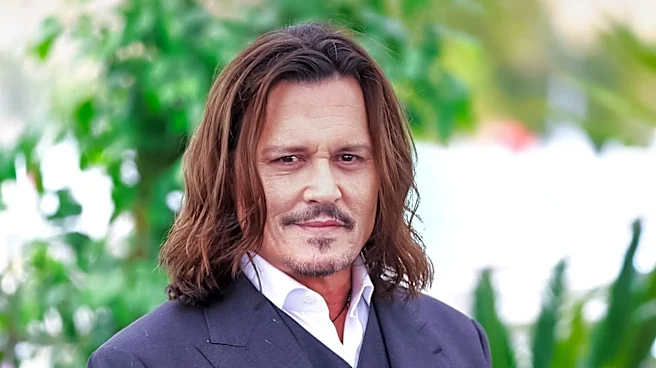
Jerry Bruckheimer, producer of the 'Pirates of the Caribbean' franchise, has confirmed that Disney is in negotiations with Johnny Depp for his potential return as Captain Jack Sparrow. This development was announced at Disney's D23 event. Depp last portrayed
the iconic character in 2017's 'Pirates of the Caribbean: Dead Men Tell No Tales'. Following allegations of domestic violence involving his ex-wife Amber Heard, Disney had distanced itself from Depp and excluded him from future franchise plans. At the time, Depp expressed his reluctance to return to the franchise. However, it now appears that an agreement might be reached. The project has reportedly been developing along multiple storylines, including one focusing on Jack Sparrow's son and a new character potentially played by Margot Robbie. Orlando Bloom, who played Will Turner, has also previously indicated openness to reuniting the original cast.
Why It's Important?
The potential return of Johnny Depp to the 'Pirates of the Caribbean' franchise signifies a major shift in Hollywood's approach to talent involved in public controversies. Disney's initial decision to distance itself from Depp after the allegations highlighted the industry's sensitivity to public image and brand reputation. His possible re-engagement suggests that the commercial viability of a beloved character and franchise might outweigh previous concerns, especially given the success of Depp's recent legal proceedings. For Disney, bringing back Depp could revitalize a multi-billion dollar franchise that many experts believe struggles without the central figure of Jack Sparrow. This move could also set a precedent for other actors who have faced similar public scrutiny, potentially influencing future casting decisions across the entertainment industry. The financial implications are significant, as the 'Pirates' films have historically been massive box office draws, and a successful return could generate substantial revenue for Disney.
What's Next?
Discussions are ongoing between Disney and Johnny Depp regarding his return to the 'Pirates of the Caribbean' franchise. The current focus is on developing a new screenplay for the next installment. Depp himself has commented on the possibility, stating, "I think they're trying to figure out how it would all look. I think it would be great if the team got back together; that would be great, but there are always different ideas, so we'll see what comes of it." This indicates that while talks are progressing, the exact nature and timeline of his involvement are still being determined. Depp is also slated for a return to studio films with 'Ebenezer' (2026) from Paramount and the action-thriller 'Day Drinker' alongside Penelope Cruz from Lionsgate, suggesting a broader career resurgence. The success of these negotiations will dictate the future direction of the 'Pirates of the Caribbean' series and could lead to further announcements regarding casting and production schedules.
Beyond the Headlines
The potential re-hiring of Johnny Depp by Disney for the 'Pirates of the Caribbean' franchise delves into complex ethical and cultural dimensions within the entertainment industry. It raises questions about accountability, redemption, and the influence of public opinion and legal outcomes on professional careers. The initial decision to remove Depp was a response to widespread allegations of domestic abuse, reflecting a broader societal push for greater corporate responsibility and ethical conduct from public figures. His potential return, following a favorable legal outcome in his defamation trial, could be interpreted as a validation of his public image or, conversely, as a pragmatic business decision prioritizing profit over previous ethical stances. This situation highlights the ongoing tension between artistic freedom, commercial interests, and moral obligations in Hollywood, potentially influencing how studios navigate similar controversies in the future. It also underscores the power of fan sentiment and the enduring appeal of iconic characters in shaping industry decisions.