


What's Happening?
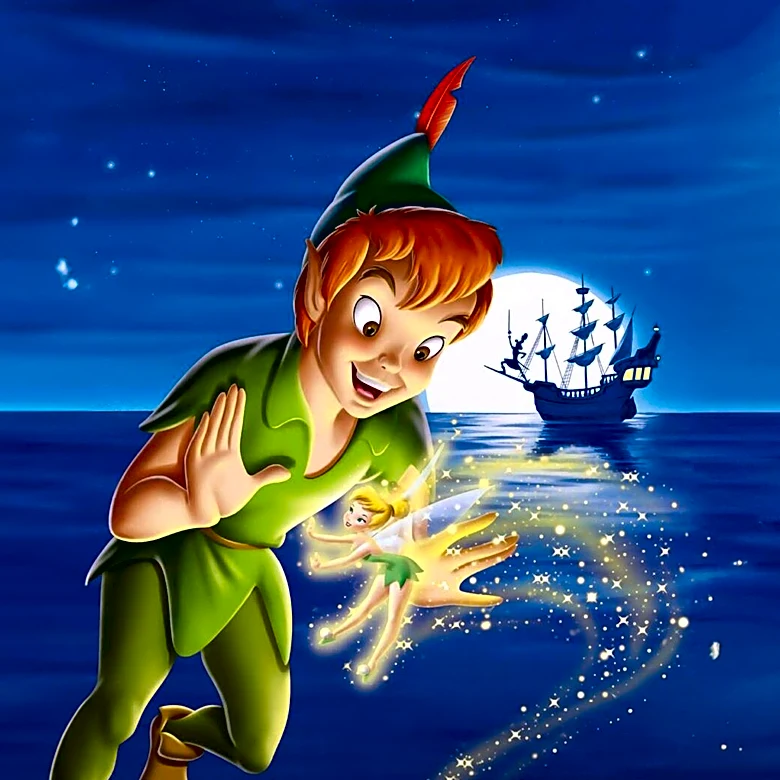
Toni Kulusich, a Disneyland content creator, has faced significant online backlash and harassment due to her videos featuring interactions with the Peter Pan character at Disneyland. Kulusich, who posts meet-and-greet videos, gained widespread attention
after a video of her gifting Peter Pan a crocheted duck keychain went viral, accumulating millions of views and a flood of negative comments. Critics accused her of being a 'crazy stalker lady' and a 'creep,' leading to a Change.org petition to ban her from the parks. The controversy escalated to the point where her workplace address was posted online, prompting her manager to adjust her hours for security reasons. Kulusich maintains that her interactions are a hobby and a way to embrace her 'inner child' within the park setting, separate from her daily life.
Why It's Important?
This incident highlights several critical issues within internet culture and the broader implications of social media. Firstly, it underscores the rapid spread of misinformation and the phenomenon of 'dogpiling' on platforms like TikTok, where a single video can quickly lead to widespread condemnation and harassment. Secondly, it brings to light the intense scrutiny and often negative perception surrounding 'Disney adults'—individuals who are deeply passionate about Disney parks and media. This case exemplifies how online communities can quickly turn hostile, impacting individuals' mental health and personal safety, as evidenced by Kulusich's experience with doxing and workplace security concerns. The event also raises questions about the boundaries of online content creation, fan engagement, and the responsibilities of platforms in moderating harassment and protecting users from online vigilantism.
What's Next?
Kulusich has publicly addressed the backlash, expressing the toll it has taken on her mental health. It remains to be seen how she will continue her content creation, if at all, given the intense scrutiny and personal attacks. The incident may prompt further discussions within the content creator community and among social media platforms regarding guidelines for fan interactions, online harassment, and the protection of individuals from doxing. Disneyland may also face increased pressure to address the behavior of its guests and the online communities surrounding its characters, potentially leading to updated policies or increased security measures. This event could serve as a cautionary tale for other content creators about the potential risks and negative consequences of viral fame and online engagement, particularly when dealing with passionate fan bases and public figures.
Beyond the Headlines
The 'Peter Pan Girl' controversy delves into the complex interplay between online identity, public perception, and the commercialization of fandom. It exposes the darker side of parasocial relationships, where viewers feel an intense connection to content creators and fictional characters, sometimes leading to extreme reactions when perceived boundaries are crossed. The incident also reflects a societal discomfort with adult expressions of 'childlike' joy or obsession, particularly within the context of a brand as iconic as Disney. This case could spark broader conversations about the psychological impact of online shaming, the ethics of internet vigilantism, and the need for greater empathy and critical thinking in digital interactions. It also highlights the vulnerability of individuals whose lives become public fodder on social media, blurring the lines between personal and professional spheres and demonstrating the real-world consequences of online actions.