






What's Happening?
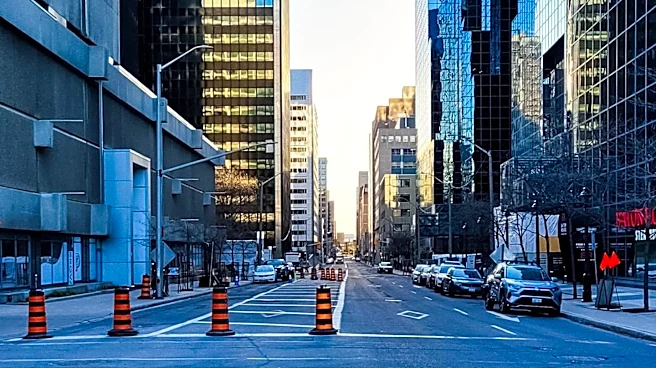
Clark Ross, owner of Mercury, a downtown Omaha bar, is closing his business in January and dissolving the Streetcar Impact Alliance, an advocacy group he founded. Ross attributes the closure to the severe financial strain caused by ongoing streetcar construction,
which has led to torn-up streets, diminished parking, and ceaseless noise around his establishment. He claims sales plummeted after utility work began in 2024 and a sinkhole remained unfixed for 18 months. Ross also expressed mistrust towards the city, citing emails suggesting an Omaha Public Works official steered business away from Mercury due to his advocacy. JEO President Jeff Henson confirmed that his company moved an event from Mercury after a city staff member indicated they would not attend if it were held there. Ross stated that the city has been unresponsive to his proposals for additional support, including block parties and a business representative on the Omaha Streetcar Authority Board. Other businesses along the streetcar route, such as Fifth House and Addy's downtown location, have also closed recently.
Why It's Important?
The closure of Mercury and the dissolution of the Streetcar Impact Alliance highlight the significant economic challenges faced by small businesses during large-scale urban development projects. This situation in Omaha underscores the potential for construction to disrupt local economies, leading to business failures and job losses. The alleged actions of a city official to undermine a business owner's advocacy raise concerns about transparency and fairness in local government's interactions with the business community. The broader impact extends to the vitality of downtown areas, as prolonged construction and business closures can deter visitors and residents, potentially hindering the very revitalization efforts the streetcar project aims to achieve. The experience of Omaha businesses could serve as a cautionary tale for other U.S. cities planning similar infrastructure projects, emphasizing the need for robust support mechanisms and clear communication channels for affected businesses.
What's Next?
Mercury is scheduled to close in January, and Clark Ross plans to dissolve the Streetcar Impact Alliance unless another business owner volunteers to take over its leadership. Shannon Beck, owner of Nodest Home Plants, has expressed interest in leading the nonprofit with other business owners to continue advocating for donor-funded relief. The city of Omaha, through Mayor John Ewing's spokeswoman Erin Grace, maintains that it has taken steps to ease the pain of businesses, including facilitating a $5 million fund and an earlier $1 million fund. Grace also stated that the city cannot legally use streetcar bonds for direct grants and that adding a businessperson to the streetcar board would jeopardize project funding control. The ongoing streetcar construction is expected to continue, with the city hoping it will eventually increase population density and customer bases for businesses along the route.
Beyond the Headlines
This situation delves into the complex relationship between urban development, local governance, and small business survival. Beyond the immediate financial losses, there are deeper implications regarding the social contract between a city and its entrepreneurs. The alleged retaliation by a city official against a vocal business owner raises ethical questions about the limits of official power and the protection of free speech within the business community. It also highlights the vulnerability of small businesses, which often lack the resources to withstand prolonged disruptions or challenge governmental actions. The narrative suggests a potential long-term shift in how cities approach infrastructure projects, possibly leading to increased demands for comprehensive impact assessments and more proactive support programs for affected businesses to prevent widespread bankruptcies and preserve local character.